
Food Immunotherapy: A Potential Means to Treat Food Allergies in Children
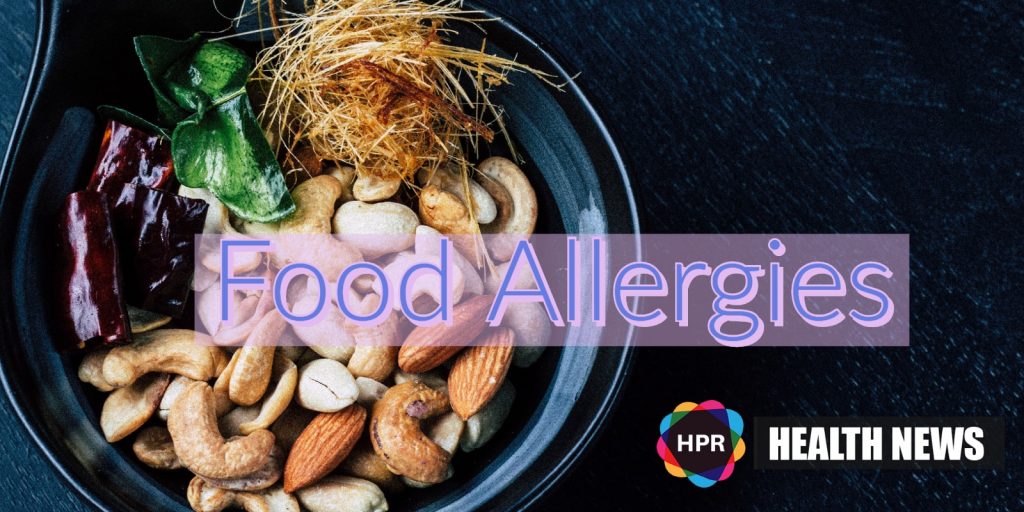
A review study has seen the possibilities of food immunotherapy as a way to treat food allergies in children according to a recent article published by the pediatric journal Children.
It aims to decrease food sensitivity through increasing regular doses of the allergen until they can tolerate the dose even after discontinuing treatment.
Frequently Asked Questions
What is the main topic discussed in this episode of Health Professional Radio?
This episode covers important developments in healthcare, including updates on Therapy. Health Professional Radio brings you expert insights and analysis on the latest medical news affecting healthcare professionals and patients alike.
How can healthcare professionals benefit from this information?
Healthcare professionals can stay informed about the latest developments in Therapy and related fields, enabling them to provide better patient care. Staying current with medical news helps clinicians make evidence-based decisions in their practice.
Where can I find more information about Therapy?
For more detailed information, listen to the full episode on Health Professional Radio and visit hpr.fm for additional resources. You can also subscribe to our podcast for regular updates on healthcare news and expert interviews.
Food allergies have always been an issue in terms of health. In fact, about 8% of children in the US are now allergic to food. The exact cause it still unknown, but researchers believe that is because of a loss or delay in the oral tolerance development during early childhood. They presume that early exposure to allergens could prevent children’s development of allergies.
Researchers have been assessing the safety and effectiveness of three types of food allergen immunotherapies: oral immunotherapy, sublingual immunotherapy and epicutaneous immunotherapy.
In oral immunotherapy, 1-25 mg of food allergen is administered every day for 2-3 weeks. However, patients may experience side effects, such gastrointestinal symptoms or even anaphylaxis.
Sublingual immunotherapy is given in a liquid form, held under a patient’s tongue for several minutes before swallowing. Its side effects are milder compared to oral immunotherapy.
A patient is given an adhesive patch in epicutaneous immunotherapy which is placed on the arm or back and worn for 24 hours. Results show that 90% of the study participants experiences mild local reactions.
Today, strict avoidance of allergen and immediate treatment is the only effective remedy for food allergies. Although, the food immunotherapies has shown promising results, further studies still need to be conducted before making them a mainstream allergy treatments. It is believed that these treatments would significantly improve patients’ quality of life.

Medical Disclaimer
The information provided on this website is for general informational purposes only and is not intended as medical advice. Always consult with a qualified healthcare professional for medical advice, diagnosis, or treatment. Never disregard professional medical advice or delay in seeking it because of something you have read on this website.