
HIV Defends Itself Against Immune Attack
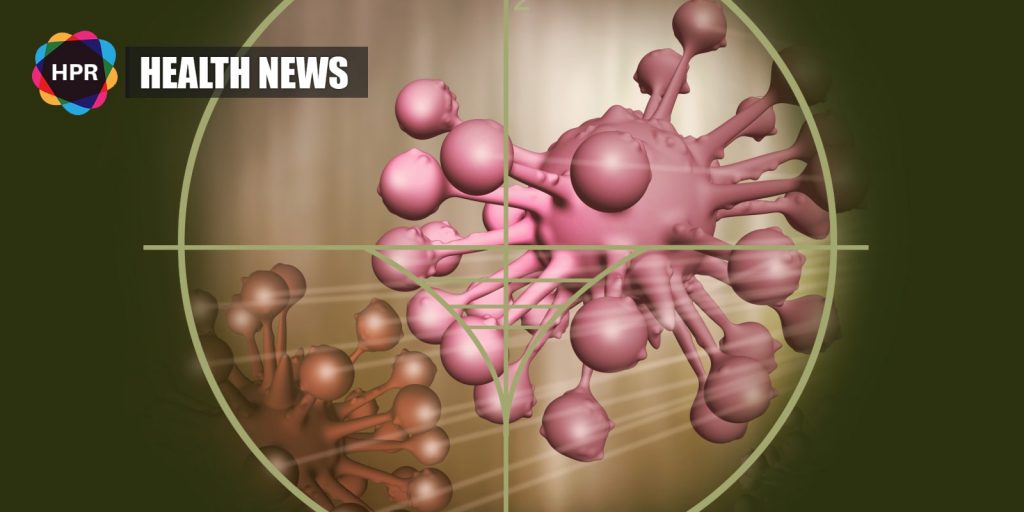
Scientists from UNSW Sydney and the UK have found that the human immunodeficiency virus (HIV) takes over a tiny molecule, known as inositol hexakisphosphate, from the host cell to shield itself from destruction.
Frequently Asked Questions
What is the main topic discussed in this episode of Health Professional Radio?
This episode covers important developments in healthcare, including updates on Therapy. Health Professional Radio brings you expert insights and analysis on the latest medical news affecting healthcare professionals and patients alike.
How can healthcare professionals benefit from this information?
Healthcare professionals can stay informed about the latest developments in Therapy and related fields, enabling them to provide better patient care. Staying current with medical news helps clinicians make evidence-based decisions in their practice.
Where can I find more information about Therapy?
For more detailed information, listen to the full episode on Health Professional Radio and visit hpr.fm for additional resources. You can also subscribe to our podcast for regular updates on healthcare news and expert interviews.
Once the virus seizes the molecule, it can strengthen its defensive shell and protect itself from attack against the host’s immune system.
The research teams used a new single-molecule microscopy technique, which led to this discovery.
They identified a new target for HIV antiviral therapy.
UNSW PhD candidate Chantal Márquez is the first author of the paper, explaining the new method.
They arranged a means to test and measure new drugs that are designed to target the capsid, which is the HIV’s protein shell.
The capsid defends the HIV’s genetic material from host defense mechanisms as it enters the cell. Then it goes into the nucleus to create an infection.
Unfortunately, the host then causes the virus to lock down its protective shell and secures itself until it is released into the nucleus.
“The HIV capsid falls apart within minutes once it’s isolated from the virus,” said Associate Professor Till Böcking, who led the UNSW team involved in both studies.
“Our strategy lets us study exactly how a native capsid breaks apart in real-time without taking it out of the viral membrane.”
Associate Professor Stuart Turville from the Kirby Institute helped the team in developing viruses with fluorescent tags to track the viral capsid using fluorescence microscopy.
“We can now see the effect of different molecules on the capsid, and pinpoint precisely when it cracks open and begins to collapse,” explains Associate Professor Böcking.
Dr. David Jacques of Single Molecule Science, an author of both studies, stated that, “Capsids need to be much more stable inside a cell because the infection process takes hours, not minutes – so we wanted to find out what keeps it stable inside a cell.”
According to researchers, Inositol hexakisphosphate, which can be found inside mammalian cells, causes the capsid to be stronger and it stabilizes it for around 10–20 hours.
“It’s like a switch. When you bind this molecule, you stabilize the capsid, and release the molecule to open it up,” said Associate Professor Böcking.
Currently, there are no available therapies that target the HIV capsid. Approved therapies at the moment only attacks enzymes during the different stages of the virus’ life cycle.
It is hoped that new drug alternatives could enhance the treatment of HIV with minimized side effects.
These findings have been recently published as back-to-back papers in the eLife journal.

Medical Disclaimer
The information provided on this website is for general informational purposes only and is not intended as medical advice. Always consult with a qualified healthcare professional for medical advice, diagnosis, or treatment. Never disregard professional medical advice or delay in seeking it because of something you have read on this website.