
Hospital Staff Don’t Comply With Hand Hygiene Guidelines
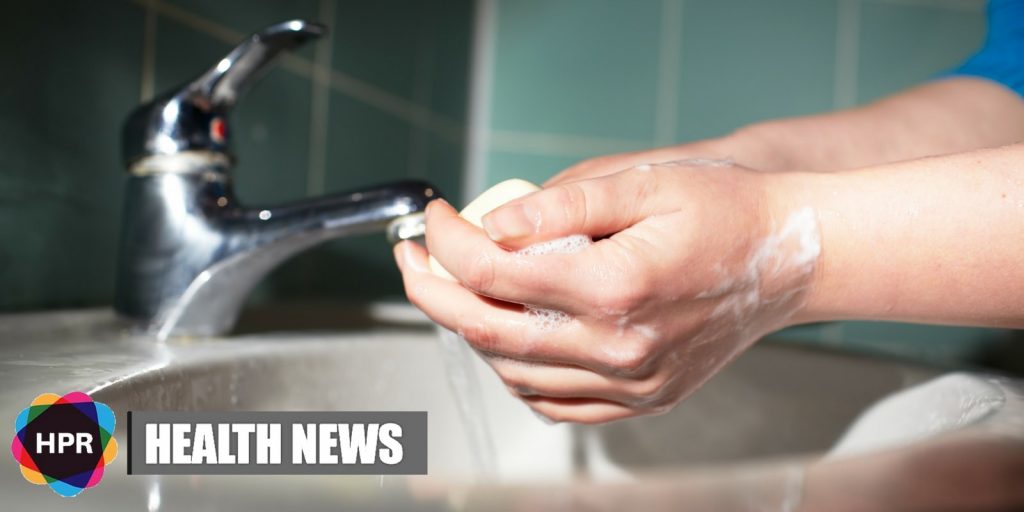
A study conducted by researchers from the University of New South Wales (UNSW) has revealed that hospital staff don’t pay much attention to hand hygiene, especially when no one is watching.
Frequently Asked Questions
What is the main topic discussed in this episode of Health Professional Radio?
This episode covers important developments in healthcare, including updates on Healthcare. Health Professional Radio brings you expert insights and analysis on the latest medical news affecting healthcare professionals and patients alike.
How can healthcare professionals benefit from this information?
Healthcare professionals can stay informed about the latest developments in Healthcare and related fields, enabling them to provide better patient care. Staying current with medical news helps clinicians make evidence-based decisions in their practice.
Where can I find more information about Healthcare?
For more detailed information, listen to the full episode on Health Professional Radio and visit hpr.fm for additional resources. You can also subscribe to our podcast for regular updates on healthcare news and expert interviews.
Research shows that the compliance rates reported by the government are overstated.
For the past eight years, a mandatory hand hygiene program introduced by Hand Hygiene Australia, known as the Australian National Hand Hygiene Initiative, has been in place to ensure hospital staff follow hand hygiene guidelines.
The program requires a minimum of 70% compliance.
According to the study’s authors, compliance rates fell drastically from 90% to only 30% when automated surveillance replaced human auditors in hospitals, which increased the risk of infection for patients.
The research team compared automated and human surveillance techniques for two years in an Australian teaching hospital.
Human surveillance involved direct observation of hospital workers by human auditors, while hand hygiene dispensers at sinks and bedsides recording hand hygiene by touch were part of the automated surveillance method.
“Regular hand hygiene among healthcare workers is a cornerstone of hospital hygiene to prevent the transmission of pathogens and potential infection,” said lead author UNSW Medicine Professor MaryLouise McLaws, a renowned infection control expert and health adviser for the WHO.
“In our study, we found that as soon as human eyes were off the clock outside of the mandatory 20-minute audit and our automated method continued to monitor compliance, hand hygiene compliance went from 94% to 30% – which is gravely concerning,” she added.
The MyHospitals Australia website publishes hospital-wide compliance rates for public viewing.
“To date, no one has attempted to quantify potential errors in compliance rates since the Australian hand hygiene initiative was introduced eight years ago,” according to Professor McLaws.
“The government has been telling us that compliance is high. Our study shows that this may not be the case – which is why we need greater investment into technology-based methods of auditing to determine how high compliance really is, rather than a dependence on human auditors.
Professor McLaws also stated that a national behaviour change program needs to be implemented, like getting back to basics by focusing on mandatory compliance before every patient contact.
Currently, clinicians are more likely to practice good hand hygiene after contact than before because they find a need for self-protection. This is the attitude that Professor McLaws want to challenge.
The study has been published in the American Journal of Infection Control.

Medical Disclaimer
The information provided on this website is for general informational purposes only and is not intended as medical advice. Always consult with a qualified healthcare professional for medical advice, diagnosis, or treatment. Never disregard professional medical advice or delay in seeking it because of something you have read on this website.