
Insulin In A Pill: Is It Time To Say Goodbye To Needles?
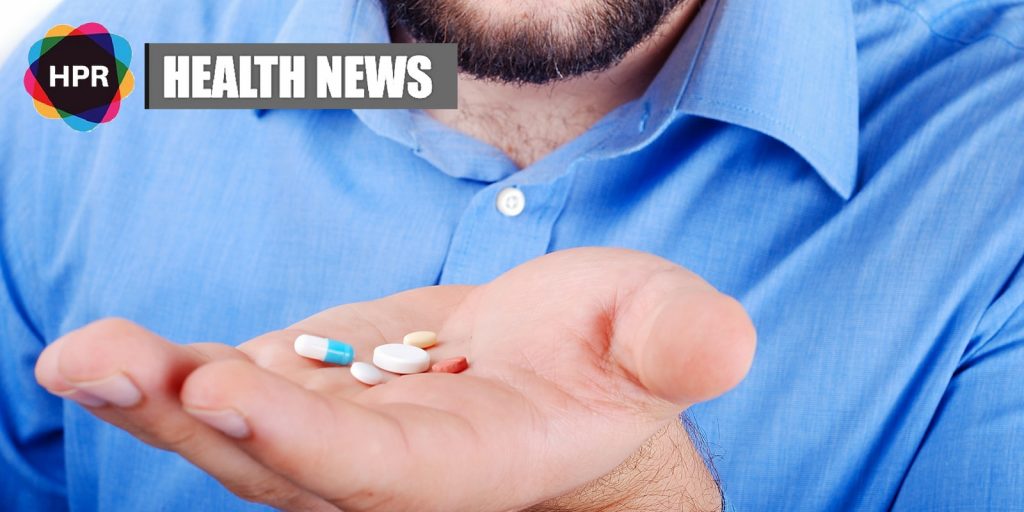
An oral delivery method that could completely change the way diabetics monitor their blood sugar levels has been generated by researchers from Harvard John A. Paulson School of Engineering and Applied Sciences (SEAS).
Frequently Asked Questions
What is the main topic discussed in this episode of Health Professional Radio?
This episode covers important developments in healthcare, including updates on Diabetes. Health Professional Radio brings you expert insights and analysis on the latest medical news affecting healthcare professionals and patients alike.
How can healthcare professionals benefit from this information?
Healthcare professionals can stay informed about the latest developments in Diabetes and related fields, enabling them to provide better patient care. Staying current with medical news helps clinicians make evidence-based decisions in their practice.
Where can I find more information about Diabetes?
For more detailed information, listen to the full episode on Health Professional Radio and visit hpr.fm for additional resources. You can also subscribe to our podcast for regular updates on healthcare news and expert interviews.
For millions of people who have type 1 diabetes, swallowing a pill is much better and less painful compared to getting an injection once or twice day.
“But many people fail to adhere to that regimen due to pain, phobia of needles, and the interference with normal activities,” said senior author Samir Mitragotri, Hiller Professor of Bioengineering and Hansjorg Wyss Professor of Biologically Inspired Engineering at SEAS.
“The consequences of the resulting poor glycemic control can lead to serious health complications.”
Oral insulin delivery guarantees improvement in the quality of life of the 40 million type 1 diabetics globally.
The new insulin formulation is easy to manufacture and it is biocompatible.
The oral medication can be stored for up to two months at room temperature, longer than the average shelf life of many injectable insulin products.
Currently, insulin delivered through injection is the only way that diabetics can get insulin into their bodies. Type 1 diabetics cannot produce insulin on their own.
“Our approach is like a Swiss Army knife, where one pill has tools for addressing each of the obstacles that are encountered.” said Mitragotri, who is also a Core Faculty Member at the Wyss Institute for Biologically Inspired Engineering at Harvard.
Insulin in pill form would closely mimic how the pancreas of a healthy person produces and delivers insulin to the liver, where around 80% is extracted while the rest flows through the bloodstream.
This research was published in Proceedings of the National Academy of Sciences.
Commercialization opportunities for this technology is currently being pursued by Harvard’s Office of Technology Development.

Medical Disclaimer
The information provided on this website is for general informational purposes only and is not intended as medical advice. Always consult with a qualified healthcare professional for medical advice, diagnosis, or treatment. Never disregard professional medical advice or delay in seeking it because of something you have read on this website.