
New Discovery On Molecules Could Lead To News Drugs For Traumatic Brain Injury
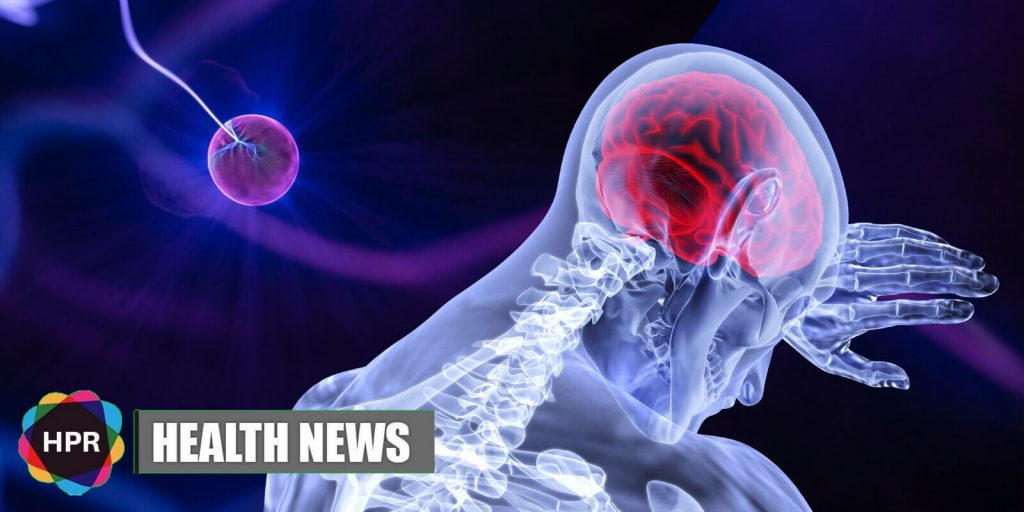
A team of scientists led by Rutgers University has discovered two molecules that can protect nerve cells after a traumatic brain injury (TBI).
Frequently Asked Questions
What is the main topic discussed in this episode of Health Professional Radio?
This episode covers important developments in healthcare, including updates on Epilepsy. Health Professional Radio brings you expert insights and analysis on the latest medical news affecting healthcare professionals and patients alike.
How can healthcare professionals benefit from this information?
Healthcare professionals can stay informed about the latest developments in Epilepsy and related fields, enabling them to provide better patient care. Staying current with medical news helps clinicians make evidence-based decisions in their practice.
Where can I find more information about Epilepsy?
For more detailed information, listen to the full episode on Health Professional Radio and visit hpr.fm for additional resources. You can also subscribe to our podcast for regular updates on healthcare news and expert interviews.
This discovery that was made after 10 years of research could lead to new drug treatments
The molecules promote complete recovery after traumatic brain injury in mice.
According to Brainline, an estimated 2.8 million people sustain a TBI annually in the United States and it’s a contributing factor to a third (30%) of all injury-related deaths.
TBI is associated with disability, early-onset dementia, cognitive disorders, mental illness and epilepsy.
The study highlights that almost all approaches for treating TBI focus on seeking to stop neurons, or nerve cells, from degenerating or on trying to enhance their survival.
“The big issue with treatment after TBI is that there are no drugs that work well on patients to restore memory, and we’re targeting reconnectivity of neural circuitry,” said senior study author Professor Bonnie L. Firestein from the Department of Cell Biology and Neuroscience at Rutgers University-New Brunswick.
“That means we want our neurons to function properly and connect with other neurons. We want to allow people to retain their cognition and ability to remember and learn, so our angle is novel,” she added.
The researchers focused their study on a protein called cypin which can break down guanine, an essential building block for RNA and DNA in cells.
The scientists previously showed that cypin is involved in fostering the right shape in neurons and “keeping them happy,” according to Professor Firestein.
It was discovered that speeding the breakdown of guanine shields neurons from injury and maintains brain functioning.
The researchers from Rutgers-New Brunswick along with scientists from the University of Pennsylvania, Fox Chase Chemical Diversity Center Inc. and Columbia University seeks to produce drugs from the molecules for additional studies.
The study was published online in the journal Neurobiology of Disease.

Medical Disclaimer
The information provided on this website is for general informational purposes only and is not intended as medical advice. Always consult with a qualified healthcare professional for medical advice, diagnosis, or treatment. Never disregard professional medical advice or delay in seeking it because of something you have read on this website.