
Scientists Have Created 3D Human Cornea Bioprinting Technology
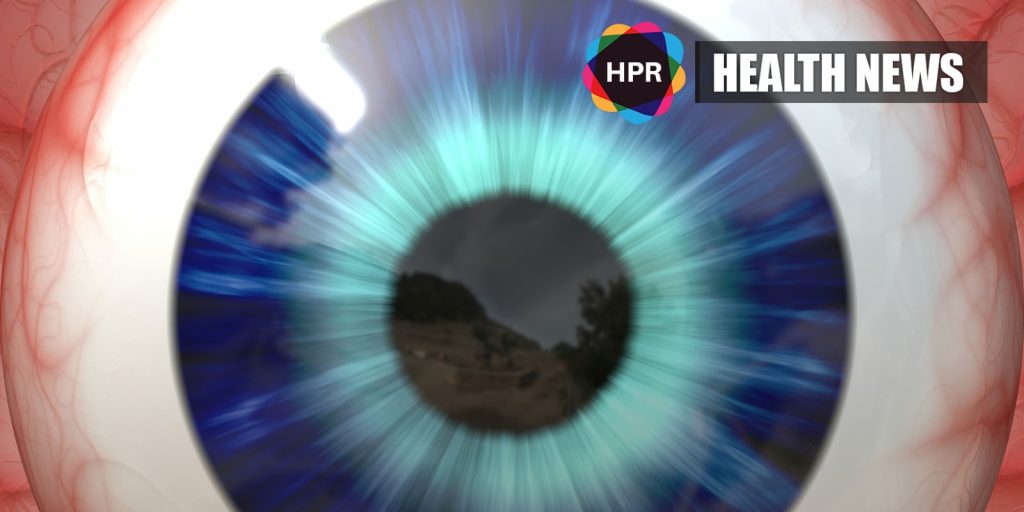
British scientists have engineered a revolutionary method that can create human corneas using advanced 3D-printng technology.
Frequently Asked Questions
What is the main topic discussed in this episode of Health Professional Radio?
This episode covers important developments in healthcare, including updates on Surgery. Health Professional Radio brings you expert insights and analysis on the latest medical news affecting healthcare professionals and patients alike.
How can healthcare professionals benefit from this information?
Healthcare professionals can stay informed about the latest developments in Surgery and related fields, enabling them to provide better patient care. Staying current with medical news helps clinicians make evidence-based decisions in their practice.
Where can I find more information about Surgery?
For more detailed information, listen to the full episode on Health Professional Radio and visit hpr.fm for additional resources. You can also subscribe to our podcast for regular updates on healthcare news and expert interviews.
This new process uses a low-cost 3D bio-printer that can create the exact shape of a human cornea, and only takes around 10 minutes to print a cornea.
It is hoped that this innovative development can help millions of people who are waiting for corneal transplants.
Currently, there is scarcity with human cornea supply, with an estimated 10 million people worldwide requiring surgery in order to prevent corneal blindness.
Another five million people already suffer total blindness from corneal scarring caused by burns, lacerations, abrasion or disease. the researchers
“Many teams across the world have been chasing the ideal bio-ink to make this process feasible,” according to lead researcher Che Connon from Newcastle University in England.
“Our unique gel – a combination of alginate and collagen – keeps the stem cells alive whilst producing a material which is stiff enough to hold its shape, but soft enough to be squeezed out the nozzle of a 3D printer,” he explained in a university news release.
Professor Connon states that he and and his team are ready to use bio-ink with stem cells that can print tissues and they don’t need to worry about growing these cells separately.
The team has already demonstrated that a cornea can be created to match the unique specifications of a patient.

Medical Disclaimer
The information provided on this website is for general informational purposes only and is not intended as medical advice. Always consult with a qualified healthcare professional for medical advice, diagnosis, or treatment. Never disregard professional medical advice or delay in seeking it because of something you have read on this website.