Understanding The Food and Drug Administration (FDA) Approval Process [transcript][audio]

Guests:  Dr. Jonathan Strober & Julie

Presenter: Neal Howard

Guests Bio:  Dr. Jonathan Strober is a clinical Professor of Neurology and Pediatrics at UCSF.  He is the director of the Pediatric Neuromuscular Clinic and MDA Care Center at Benioff Children’s Hospital. This clinic, sponsored by the Muscular Dystrophy Association, treats children with disorders of the muscle and nerve. Strober, a specialist in childhood neuromuscular disorders, is board certified in neurology and psychiatry and has special certification in child neurology. He also is trained to perform electromyography (EMG) to evaluate patients with suspected neuromuscular disorders.

Julie Cosgrove-Garcia, caregiver, lives in Sacramento, California with her husband Marcus and son Nick (25). Nick was diagnosed with Duchenne muscular dystrophy, a rare and devastating degenerative disease in 2001. Duchenne muscular dystrophy causes muscle weakness and eventually robs patients of their ability to walk, move their arms, and care for themselves. She works full time at Pacific Gas and Electric Company.

Segment overview: Here to discuss the FDA Approval process and its impact on a group of children with a rare and fatal disease are Dr. Strober and caregiver Julie.  

Updated Myeloproliferative Neoplasms Awareness Initiative [transcript][audio]

Guests: Dr. Ellen Ritchie,  Finola Hughes, & “David”

Presenter: Neal Howard

Guests Bio:  

Ellen K. Ritchie, MD is the assistant professor of medicine and a member of the Leukemia Program at the Weill Cornell Medical College of Cornell University and the New York Presbyterian Hospital in New York City. Dr. Ritchie graduated from Barnard College at Columbia University and received her medical degree from the College of Physicians and Surgeons at Columbia University. She completed her internship and residency in internal medicine and her fellowship in hematology and medical oncology at New York Presbyterian Hospital on the Columbia campus.

Finola Hughes, who plays Anna Devane on ABC’s General Hospital, was born in London, England, studied and graduated from The Arts Educational School, London. Danced with the Northern Ballet Company and in 1981 originated the role of Victoria the White Catin the London production of Andrew Lloyd Webber’s musical Cats. Joined the stage production of  Webber’s “Song and Dance” in 1982.  Starred with John Travolta in “Stayin’  Alive” in 1983 and in 1984, joined the cast on “General Hospital” and won a Daytime Emmy award in 1991.

David is a fitness enthusiast joining marathons and long distance biking. David’s life was forever changed as a result of a biking accident on February 16th of 2016. He broke his femur into half, and was rushed to the emergency room for surgery. Bewildered at David’s extremely high red blood cell count, the orthopedic surgeon asked David in the recovery room if he was taking performance enhancing drugs, and later suggested he see a primary care physician. David followed suit and saw his family care physician, followed by an oncologist, where it was confirmed that he had polycythemia vera (PV).

Segment overview: Here to bring us up to date on her many projects is actor Finola Hughes, along with Dr. Ellen Ritchie, Associate Professor or Clinical Medicine, Weill Cornell Medical College to discuss Myeloproliferative Neoplasms (MPNs) during Blood Cancer Awareness Month, and David, who lives with this rare blood disease.

Hindrances in Legalizing Medicinal Cannabis [transcript][audio]

Guest: Stewart Washer  

Presenter: Wayne Bucklar

Guest Bio: Dr Stewart Washer is the Executive Director of listed medicinal cannabis research company, Zelda Therapeutics Ltd (ASX:ZLD). With more than 25 years of leadership experience in medical and agri food biotech companies, Stewart can shed light on medicinal cannabis’ current political and scientific landscapes, both nationally and globally. Stewart is also Chairman of Orthocell Ltd (ASX:OCC), a regenerative medicine company, Founding Chairman and current Director of Cynata Therapeutics Ltd (ASX:CYP) who are developing global stem cell therapies, Chairman of Minomic International Ltd, and a founder and consultant to AusCann Ltd (ASX:AC8).

Segment overview: Zelda Therapeutics works on legalizing medicinal cannabis and brings together some of the world’s leading researchers and clinicians active in the study and use of medicinal cannabis to treat complex diseases. In this interview, Dr Washer talks about the current constraints and misconceptions that are hindering the development of the medicinal cannabis sector. He also points out the difference between medicinal cannabis that is accessible through street providers, and what will be available through pharmaceutical companies.

Omega 3 Fatty Acids – The Lost Nutrient [transcript][audio]

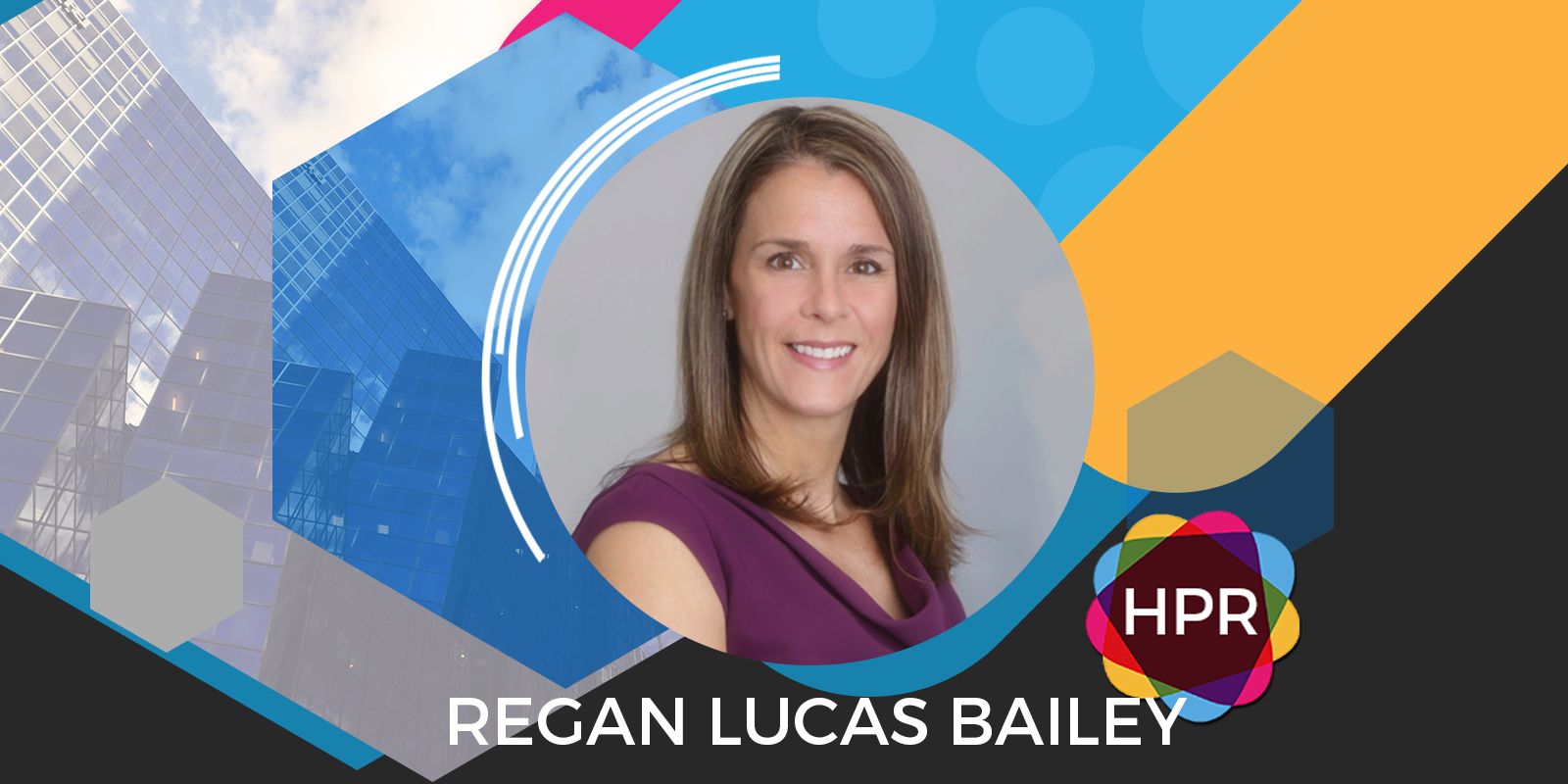
Segment overview: Dr. Regan Bailey, from the Global Nutritional Health Alliance, explains why Omega 3 Fatty Acids, the “Lost Nutrient” is so important and how to make sure you’re getting enough

Guest: Dr Regan Lucas Bailey

Presenter: Neal Howard

Guest Bio: Dr. Regan Lucas Bailey is an Associate Professor in the Department of Nutrition Science at Purdue University. Previously, Dr. Bailey was a Nutritional Epidemiologist at the Office of Dietary Supplements, Office of Disease Prevention at the National Institutes of Health. The overarching goal of her research program is to prevent or lessen the risk of chronic disease through nutrition. Dr. Bailey is a registered dietitian who completed a MS in Food and Nutrition from the Indiana University of Pennsylvania, her PhD in Nutrition Science from The Pennsylvania State University and her MPH from the Bloomberg School of Public Health at Johns Hopkins University.

Acculturation Issues of 1st Generation Immigrants [transcript][audio]

Guest: Aida Vazin

Presenter: Neal Howard

Guest Bio: Aida specializes in hypnotherapy, couples counseling, and stress management. She also works with 1st generation immigrants that are struggling to adapt to the lifestyle of the United States while trying to balance the expectations and obligations of their family. She provides high quality care with a focus on personalized navigation from difficult situations to the desired outcomes her clients are seeking. Her goal is to empower her clients with the tools they need to make lasting changes. As such, her clients view her as part of their support system and feel very comfortable with her. According to Aida, “I value the trust my clients place in me.” A strong believer in a balanced lifestyle, Aida enjoys spending time with her loved ones, exploring fitness trends, and traveling across the world. She studied at UCLA and the Chicago School of Professional Psychology with emphasis in psychology, sociology and cultural anthropology. She is fluent in Farsi and Spanish.

Segment overview: Aida Vazin, MA, LMFT, is a licensed marriage and family therapist – with GPS Counselor.  She is here to discuss 1st generation immigrants that are struggling to adapt to the lifestyle and social environment of the United States while trying to balance the expectations and obligations imposed by their family of origin.

LUCID – Sports Psychology [transcript][audio]


Guest: Graham Betchart

Guest Bio: Graham Betchart, who has a master’s degree in sports psychology, is a mental skills coach who works with some of the top players in the NBA today.

Graham believes that mental skills training is just as important as physical training. And similar to physical training, there’s no quick fix in mental skills training, it’s an ongoing process. Graham also believes there’s no age that’s too young to begin meditation – especially in a time when young athletes and students are facing more pressure than ever to succeed. Graham is the Director of Lucid, a new organization that focuses on mental skills training.

Segment overview: Graham Betchart speaks on why children should consider meditation as part of their everyday routine, as well as how parents can help them get started.  He also launched a meditation app called “Lucid” which offers daily five-minute audio clips that preach meditation, visualization and positive affirmations.

Transcript:

Neal Howard: Hello and welcome to Health Professional Radio. Thank you so much for tuning in to the program. I’m your host Neal Howard. Graham Betchart is our guest today. He’s got a Master’s Degree in Sports Psychology. He’s a Mental Skills coach and he works with some of the top players in the NBA today. He’s joining us here on Health Professional Radio today to talk about how children should consider meditation as part of their everyday routine as well as how parents can help the kids to get started. He’s also launched a meditation app called ‘LUCID’ that we’ll talk about as well. Welcome to Health Professional Radio Graham Betchart.

Graham Betchart: Thank You Neal. Thanks for having me. It’s an honor to be here.

N: Right. Glad that you here with us. Now as I said, you’ve got a master’s in sports psychology. What does that entail in a nutshell?

G: Well, real quick you know sports psychology is the science of success. So it’s about teaching people how to focus, how to be confident and how to learn how to thrive under pressure. So sports psychology is for people that there’s results on the line, they’re competitive, they want to win and they feel pressure. So it starts with athletes but these skills work with almost every human in the world because we all face pressure, we all are dealing with results and deadlines and so we found that sports psychology helps students, parents, surgeons, lawyers, teachers, really anyone who’s looking to be improve themselves in life and learn to deal with all the challenges the life throws at you.

N: Now, how much does this sports psychology rely on meditation or is ‘Rely’ kind of the wrong word to use?

G: I would look at it like meditation is one of the many tools that sports psychologists and mental skills coaches teach their clients. So meditation is a practice that’s been around for thousands and thousands of years and over the last 5 or 10 years, the scientific validation is overwhelming for how positive meditations impacts your life. So I think it’s just another tool that we use and we have in our tool bag along with like visualization and positive self-talk and goal-setting. Meditation is an awesome skill and tool that I think everyone should practice.

N: Now, you do work with some of the top NBA players I mean these are adults, they are guys with goals, they are guys that, you know they probably been working toward this goal of being in the NBA for quite some time. So would you say that they’re more attuned to accept and benefit from meditation than children.

G: I think the funny thing is a lot of the NBA players I’ve worked with I met them when they were very young. So for example like Aaron Gordon for the Orlando Magic, we started working together when he was 11 years old and he just bought into the mental training and I just teach meditation like it’s the thing to do. So he just jumped in and started doing it. And so my experience with a lot of the athletes I work with, I meet him when they’re teenagers and I help them kind of get this into their daily routine because obviously, these very good basketball players in high school they face a ton of pressure. But I found that they buy right into it as long as they’re taught it. And for me, I wasn’t taught it when I was young. I didn’t start to learn this stuff till I was 19. So my goal was to try to give it to kids when they’re younger. And so Aaron Gordon and I now are working on how we get it to five-year-olds because he was like, Hey, I got it at 11. Why don’t we try to get it to five-year-olds’, I mean the earlier you can get this, the better. It’s not rocket science, it’s not some far-off wacky thing, it just helps you focus in life, it helps you deal with all the stuff that’s going on. So I think they’re naturally you know players trying to make it to the NBA, they’re very driven so to do anything to help themselves get better. But what they realize is this stuff helps their life far beyond basketball and these are life skills that they learn through a game.

N: What is it about a kid say 5, 6, 7 or 11 that makes them for lack of a better term get it at that age, you’ve got the league, you’ve got Youth Football League and there are lots of thousand kids all over the country and not all of these kids are going to be good at the sport at that level, let alone go to the professional level. What is it about the few kids that get it and maintain it into a professional career whether it’s in sports or some discipline?

G: Well I think like you said, it’s almost impossible to become a professional athlete. I’ve worked with thousands of kids and I’d say maybe 10 became professional athletes. So really what you’re doing is if a young kid is playing sports hopefully they’re doing it because they enjoy it, they love it and not because it’s overwhelming pressure from their parents. And you use the game or the sport they’re playing is kind of a hook to learn these skills and you teach it to them and for most young people, it’s going to end up being just a really great life skill for them. So even if you’re not going to be a pro-athlete you still have to deal with school and all the pressures of school and the pressures of applying for jobs and trying to make it in your career, just dealing with life. So it’s really life skills that you learned through a game and occasionally, there’s some kids that pick it up when they’re young and they happen to be extremely physically talented and a lot of stuff goes fight in their life and they make it to be a pro but for 99.9 percentage of us, these are life skills that we get to learn through a game. And like you said, youth sports are so big these days. Kids are playing competitive, when they’re 5 years old, the games are competitive now and there’s just pressure behind them. So it’s just another way for us to meet kids where they are and of course, we built an app because we’re not saying you have to go to some three day silent retreat with someone we’re saying, ‘Hey everyone’s got a phone so let’s meet them where they are and let’s just build something that helps them out with the phone they’re already used’.

N: Graham, before we get into the app, talk about as a sports psychologist who deals with kids, there seems to be an ‘everybody wins’ type of mentality in some youth settings where everybody gets a trophy, don’t focus on the competition then you come into their lives and it’s all about being better. Well you’re not being better to be even, you’re being better to be better. Talk about some of the conflict there with the mindset of ‘everybody wins, we’re all equal’ as opposed to the mindset ‘You know, I’m gonna win because I want to be better than’.

G: So here’s a really important and I totally understand the concept of ‘Hey everyone win. Let’s all get a trophy’. The thing that I think is the most important thing that I’ve seen is your ability to fail and your ability to fail and then move forward and not let that derail you and stop you from everything you’re doing. So I actually believe in trophies for winners and for people who win because really, it’s not about the winner who gets the trophy. The real lesson is everyone else who gets to learn how to lose because if you learn how to lose, you’ll never stop yourself and if you don’t stop yourself, you can’t be stopped. You’re going to make mistakes and so we call the skill ‘Next Play Speed’ and it basically means ‘Hey no matter what just happened’ and ‘I’ve got to move forward, I’ve got to move on to that next play and I’ve got to try again with a great attitude, great effort, and great focus’. And a lot of times, you don’t get to have that experience until you lose, that’s when all the emotions come up, that’s when you gotta deal with all this stuff. So as opposed to avoiding those emotions, let’s learn how to work with them because you’re going to lose so many times in life but really, you’re not losing if you keep moving forward. And you’ve heard many success stories of people making mistake, after mistake, after mistake, but they keep showing up, they keep moving forward and all of a sudden, they have a breakthrough. And so to me, I think it’s important that we learn how to lose and we learn how to move forward because the kids that don’t learn how to do that and they refuse to move forward, they kind of stop themselves. So I actually think it’s really important to learn how to lose.

N: How can your LUCID App help toward that end?

G: Well, we made it really simple. So we made daily 5-minute workouts and we call the workout an ‘MVP’ and the M stands for ‘Meditation’, the V stands for ‘Visualization’ and the P stands for ‘Positive Self-talk’. So those are three tools that we try to teach everyone and we break it down into 5-minute daily workouts. And what we say is listen every day. Just get yourself focused every day, so listen to the app before you go to school, before you go to your job, before you have an interview, before you’re going to play sports, take a test, whatever it is you do, listen to it before you do that and this will help get you into your zone, help get you locked in. And the idea with mental training is it’s just like physical training, there’s no quick fix, there’s no overnight success right it’s all about repetition. So we want you to start to do it if you can everyday and that’s why we made it 5 minutes long because we thought that was reasonable and people go ‘Okay, I have 5 minutes. I can do that’. And as you start to do it day after day, you gain awareness, you gain practice and you get better at the ultimate skill is being pressed, being in the moment you’re in, not concerned about the past, not projecting fear into the future but you’re really engaged in what you’re doing right now, going all-in. And what we found is when people are present, they do the best at whatever they’re doing. That’s the best chance you have to be successful to be all-in with where you’re at right now.

N: Now before you give us a website where we can get more information, talk about the compatibility across devices of your app.

G: Well it works with everyone. We have it on Android, we have it on iPhone. Our company has been around for just about a year and a half, we’ve been out there in the world for just about a year now. And so yes, we’re compatible with all devices and we’re trying to also expand and do like the long-form video content, we’re doing more media, we’re actually creating music now because everyone loves music. So we’re taking a lot of the coaching that we do and putting music behind it so kids and adults can can listen to all of our stuff and have beats behind them. So what we found is people are enjoying the content that we have and we’re just finding different ways to get it to them in ways that can reach them. So we are on Android and we are on iPhone right now so we’re out there, you can find us.

N: Great man. Thanks Graham Betchart. Thanks for coming in. It’s been a pleasure and I’m hoping that you’ll come back and speak with us in the future.

G: Yes. Thanks for having me Neal. Let’s talk real soon.

N: You’ve been listening to Health Professional Radio for this Health Supplier Segment. I’m your host Neal Howard in studio with Mr. Graham Betchart, he’s got a Master’s in sports psychology and we’ve been talking about sports psychology as that psychology relates to kids. And we’ve been talking about the Lucid App, it’s a meditation app that works with Android and iPhone is available at getlucid.com. Transcripts and audio of this program are available at healthprofessionalradio.com.au and also at hpr.fm. You can subscribe to this podcast on iTunes, listen in and download it SoundCloud and be sure to visit our affiliates page when you visit our platform at hpr.fm and healthprofessionalradio.com.au.

The Genetics of Opioid Addiction [transcript][audio]

Guest: Dr. Keri Donaldson

Presenter: Neal Howard

Guest Bio: Dr. Keri Donaldson’s work as Medical Director and CEO of Prescient Medicine is fueled by an extensive background in the fields of pathology, genomics, and diagnostics. An active ad hoc reviewer and consultant, Dr. Donaldson has earned a reputation as an innovative member of the medical community and garnered key positions within respected institutions and national committees. He was certified as a Diplomate of both the American Board of Pathology and the National Board of Medical Examiners, and holds a BS from Pennsylvania State University, an MD from Temple University School of Medicine, and a master of science in clinical epidemiology (MSCE) from the University of Pennsylvania School of Medicine.

Segment overview: Dr. Keri J. Donaldson, Prescient Medicine’s CEO and Medical Director, discusses the role emerging medicine can play in predicting a patient’s likelihood of addiction from opioids.

Read More

Hyperhidrosis (Excessive Sweating) [transcript][audio]

Guest: Angela Ballard, RN, EMT

Presenter: Neal Howard

Guest Bio: Angela Ballard has been working with the International Hyperhidrosis Society (IHHS) since its inception in 2003. As a registered nurse and emergency medical technician, Angela brings a passion for high-quality, accessible healthcare and patient advocacy to every sentence she writes. As a professional writer, she understands the importance of clear, informative communications in all avenues of life. From SweatHelp.org and theSweatSolutions newsletter to brochures and medical journal articles, Angela’s writing is an important piece of the educational and empowerment mission of the International Hyperhidrosis Society to help provide the information people need to live fuller, richer lives.

In addition to her hyperhidrosis and other health and wellness-related writing, Angela plies her pen about outdoor life. Specifically, she enjoys writing about the Pacific Crest National Scenic Trail (PCT) and is co-author of an award-winning hiking adventure book called A Blistered Kind of Love (Mountaineers Books, Seattle, WA).

Segment overview: Angela Ballard, RN, EMT, with the International Hyperhidrosis Society (IHHS) discusses some truths and myths about hyperhidrosis and the effect this condition can have on a person’s life.

Transcript:

Neal Howard: Hello and welcome to the program. Thank you so much for tuning in today to Health Professional Radio. I’m your host Neal Howard. As people go about their daily lives, there’s a common but hidden scourge, it’s excessive sweating. In fact, the national survey conducted by the International Hyperhidrosis Society, the scholars of sweat shows multiple millions suffer from extreme uncomfortable, embarrassing, debilitating and emotionally devastating sweating. Our guest is joining us today as a registered nurse who specializes in this condition, she’s Angela Ballard RN and EMT with the International Hyperhidrosis Society and she’s here to talk about some of the truths and myths about this condition. Welcome to the program Angela, how are you?

Angela Ballard: Good. Thank you for having me.

N: Hyperhidrosis, excessive sweating, I’ve never heard it called ‘Hyperhidrosis’. I’ve heard of excessive sweating, what is this condition and I thought that some people just sweat a lot and some don’t? What’s the difference between those of us that do this and those of us that don’t?

A: Well, hyperhidrosis as a medical condition, it’s excessive sweating beyond what may be considered normal or acceptable for exercising, or temperature control or just moving about your daily life. So we all expect to sweat when it’s hot and when we exercise and certainly, we have vary individual differences and how much we sweat in those circumstances. But people with hyperhidrosis may sweat 4 or 5 times what’s normal or expected based on how much they’re exercising, or the weather or stress they might be under. So someone might be just sitting at their desk at work and literally still dripping sweat or soaking through their shirts or soaking through multiple layers of shirts and it can affect people in different body areas such as the hands, the feet, the scalp or obviously, the underarms or it can be any combination of locations.

N: It has nothing to do with the more you exercise, the more you sweat. Is there a point at which you just you sweat it all you’re going to and there’s no more sweat?

A: Well certainly, there is the risk that someone could sweat so much that they become dehydrated or move into like more of a heat exhaustion type of situation. We don’t hear about that very often. I think that people with hyperhidrosis are pretty good at regulating their fluid intake to stay physiologically comfortable. But certainly, it’s a theoretical concern although I haven’t heard about that aspect of it.

N: So it’s not that you’re an athlete and you’re out of shape and you sweat more, is just that you’re an athlete, you’re in good shape, it’s just that you suffer from a hyperhidrosis?

A: Right. So this is a sweating that’s beyond what we need to maintain our temperature whether we’re exercising or in hot weather. So it’s almost as if the sweat glands are stuck in and on position rather than turning on and off based upon what our body needs to maintain that healthy body temperature.

N: Is it possible that say I sweat at a certain amount and then the person next to me sweats 3 times as much but their body temperature is maintained based on their physiological makeup and so is mine? What is it that causes this excessive sweating both beyond and above what is considered normal or what we need to regulate our individual body temperature?

A: We’re not really sure, yet there does seem to be a genetic link and hyperhidrosis appears to commonly run in families. But we’re not sure of the derivation of the condition. What we do know is that it causes people a lot of social anxiety, a lot of embarrassment and practical difficulties in life. Students may ruin their paperwork at school and get bad grades as a result. Computers can be damaged by the moisture, we’ve actually even heard of parents who can’t hold their children’s hands or their children’s hands slip out of their grasp as they walk across the street because their palms are so sweaty. So there’s a lot of really practical difficulties as well as the social stigma that comes with public sweating. People make assumptions about someone who’s sweating a lot that they’re out of shape, that they’re overweight, that they’re ill, or lying, or nervous or even doing drugs. And so that there’s not only the uncomfortableness of having excessive sweating and that physical feeling of that but then also feeling judged by it. So people with hyperhidrosis practically day to day run into a lot of obstacles in having good quality of life.

N: You mentioned your child’s hands slipping out of your hand as you go across the street due to excessive sweating. I was assuming that we were talking about the sweaty palms of the adult. Is this something that can affect kids as well?

A: Definitely. Sweating on the palms or the feet will often manifest before adolescence. So this can be a childhood problem and pediatricians or nurses who work with children, school nurses, teachers and coaches should be aware of this that a child who is sweating during sports or in class, needs treatment and should have that problem addressed because of the psychosocial ramifications, and teasing and bullying that could be potential at school for any child who feels different. And then for teenagers, the International Hyperhidrosis Society actually did a study and found that nearly 1 in 5 teenagers experiences excessive sweating. And this can be a problem in middle school and high school, these are vulnerable years when adolescents are figuring out who they are and to have a serious dermatological condition can really affect their self-esteem and self-concept. So it is common in young people and it usually does manifest in younger years but then it’s a chronic condition and can last a lifetime.

N: Is there anything that can be done? What is the treatment for this condition entail?

A: Fortunately, there are treatment options and there’s a number of different ones. I often requires some flexibility and working through finding what works best for you and your situation, there are antiperspirants, obviously the ones you can buy at your local pharmacy or supermarket but there’s also prescription antiperspirants that are stronger. And then there are some over-the-counter ones that are more niche products for certain dry, that’s a stronger antiperspirant that’s specially formulated for excessive sweating. And what many people don’t realize is that you can use antiperspirants on other body areas, you can try them on your hands or on your feet. Of course, you want to test it on a little patch of skin first especially if it’s a sensitive body area to make sure it doesn’t cause irritation or talked to a dermatologist or doctor about it, but antiperspirant can be used in different areas. There’s also something called ‘Iontophoresis’ which is good for sweating of the hands and feet and it’s a medical device you can use at home and it actually uses pans of water and a very slight electric current to stop your sweating and you use it at two or three times a week to start for about half an hour and then usually, you can get to a maintenance schedule of about once a week. There’s also ‘Botox injections’ which can be used on a variety of body areas and actually sort of stuns your sweat glands to become inactive for 6 month to a year depending upon your body area. And there is a medical device called ‘miraDry’ which stops sweating on your underarms and the doctor can perform that procedure for you and that is permanent. So you have lots of options and fortunately, there’s even more options in development. So you can check out our websites sweathelp.org and learn about clinical trials and new research that’s going on to give people even more option.

N: Sweathelp.org, is that we’d also find some information about the International Hyperhidrosis Society?

A: Yes, that’s our website and we have a blog that you can sign up for and we cover everything about sweat – treatment, what causes this condition, new research and events for patients who are looking for support.

N: Angela Ballard, thank you so much for coming in today and talking with us here on Health Professional Radio. It’s been a pleasure and I’m hoping that you’ll return in the future.

A: I would love to. Thanks for having me.

N: You’ve been listening to Health Professional Radio. I’m your host Neal Howard. Our guest today has been Angela Ballard, registered nurse and EMT with the International Hyperhidrosis Society and she’s been talking about some of the truth and myth about this condition and how it affects those that are living with it. Transcripts and audio of this program are available at healthprofessionalradio.com.au and also at hpr.fm. You can subscribe to this podcast on iTunes, listen in and download at SoundCloud and be sure and visit our affiliates page when you visit our platform at hpr.fm and healthprofessionalradio.com.au.

How Can Technology Transform the Practitioner-Patient Relationship [transcript][audio]

Marcus-Tan

Guest: Dr Marcus Tan

Presenter: Wayne Bucklar

Guest Bio: Dr Marcus Tan is the Founder and Medical Director of HealthEngine, Australia’s largest online healthcare marketplace. Marcus is an active contributor to innovation in the Australian health-tech industry and a strong supporter of the local startup ecosystem.  He has grown HealthEngine from 2 developers out of his lounge room to over 100 staff in 3 offices nationally since 2010.

Segment overview:  Digital technology presents a huge opportunity to enhance the relationship between patient and practitioner, as well as offering patients more control over their health and making channels of communication more efficient, transparent and accessible. Dr Marcus Tan, the Founder and Medical Director of HealthEngine, talks about his ideas on the role that technology will play in creating a health system that is more focused on the patient experience, and improve health care services.

Read More

St. Ives Home Care [transcript][audio]

Guest: David Cox  

Presenter: Tabetha Moreto

Guest Bio: David has the unique ability of applying clinical, governance and business metrics to the aged care environment. He has almost 25 years of experience in the healthcare industry, with experiences in both for-profit and not-for-profit aged care settings across Australasia.

He is the Chair of a not-for-profit provider of residential aged care and retirement living in Western Australia; a Director of one of Australia’s largest providers of not-for-profit specialist therapy services in the disability sector; and a Partner and the Head of Operational Strategy at Ansell Strategic. David is also a Registered Nurse with postgraduate clinical qualifications and an MBA. His experiences as the Vice President of Global Sales, Marketing and Clinical Affairs for a number of publicly listed biotechnology companies have enabled the development of unique operational, business development and consumer directed services planning skills.

Segment overview: David Cox talks about the St. Ives Home Care, their services, and how the partnership with AlayaCare can help them deliver quality care plans to their clients. St. Ives and AlayaCare plan to deliver an innovative end to end client information, health and experience management solution to private home care clients and their families

Read More