
Goji Berry Compound Could Possibly Cure Two Fatal Tropical Diseases
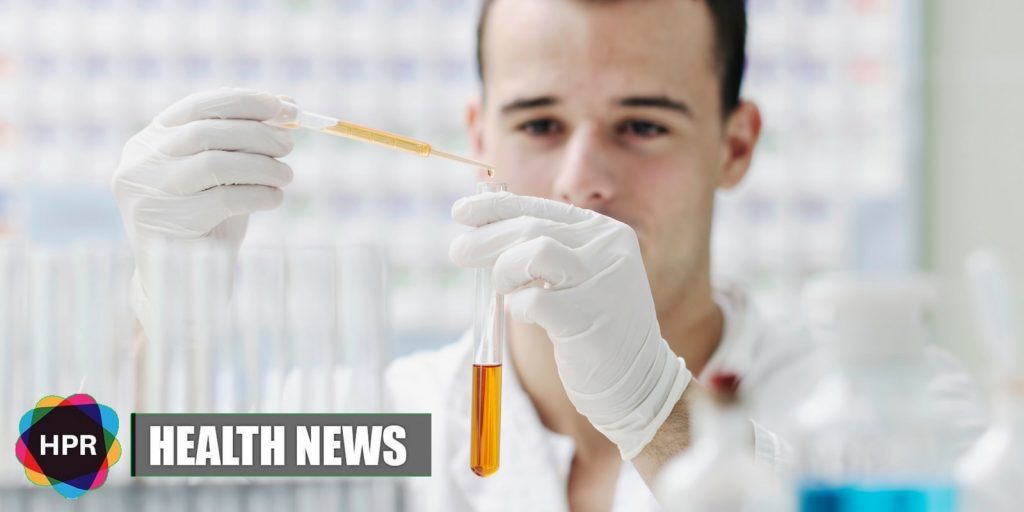
A new drug compound extracted from the goji berry plant, known as 7-keto-sempervirol, has been developed by a team of researchers from two Welsh universities led by Professor Andrew Westwell.
Frequently Asked Questions
What is the main topic discussed in this episode of Health Professional Radio?
This episode covers important developments in healthcare, including updates on Treatment. Health Professional Radio brings you expert insights and analysis on the latest medical news affecting healthcare professionals and patients alike.
How can healthcare professionals benefit from this information?
Healthcare professionals can stay informed about the latest developments in Treatment and related fields, enabling them to provide better patient care. Staying current with medical news helps clinicians make evidence-based decisions in their practice.
Where can I find more information about Treatment?
For more detailed information, listen to the full episode on Health Professional Radio and visit hpr.fm for additional resources. You can also subscribe to our podcast for regular updates on healthcare news and expert interviews.
The drug compound can possibly treat two life-threatening parasitic diseases.
It is a powerful agent that attacks the parasites that cause fascioliasis and schistosomiasis, which are both neglected tropical diseases. Unlike malaria, these two parasitic diseases are not well known.
Approximately 17 million people are presently infected with fascioliasis which is caused by foodborne parasite while an estimated 600 million people are affected by schistosomiasis.
Schistosomiasis is transmitted through contact with contaminated water. People who fish or swim in infested waters are highly vulnerable to the disease.
Both of these diseases causes around 300,000 deaths each year.
Currently, triclabendazole is the drug used to treat schistosomiasis and fascioliasis, but they are now ineffective because the parasites have become resistant to these medications.
This motivated the scientists to a find a new treatment for these parasitic diseases.
“Discovering a potential new treatment for two such prevalent diseases is an exciting find and we hope that this research will lead to major health benefits for some of the world’s poorest people who are at risk of contracting schistosomiasis and fascioliasis,” said Professor Westwell.
Cardiff University’s research team collaborated with Aberystwyth University’s Institute of Biological, Environmental and Rural Sciences for this research that is led by Professor Karl Hoffmann
This research was funded by the Life Science Research Network of Wales and is now published in the European Journal of Medical Chemistry.

Medical Disclaimer
The information provided on this website is for general informational purposes only and is not intended as medical advice. Always consult with a qualified healthcare professional for medical advice, diagnosis, or treatment. Never disregard professional medical advice or delay in seeking it because of something you have read on this website.