
FDA Issues Class II Recall for Popular Blood Pressure Medication Chlorthalidone: 11,000+ Bottles Affected Nationwide
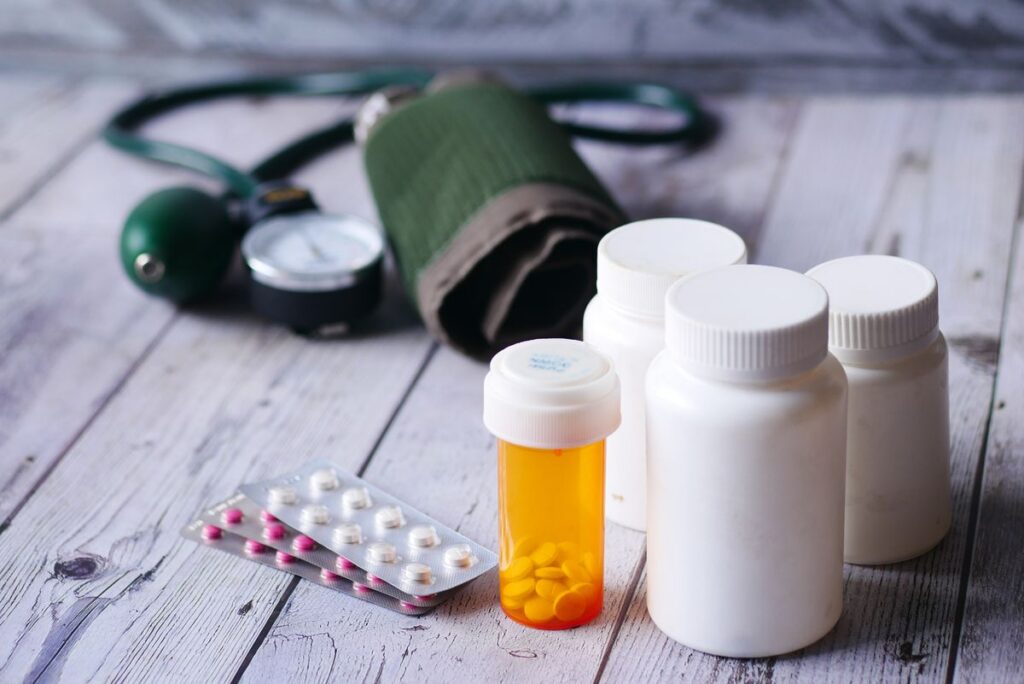
Breaking: Nationwide Recall of Chlorthalidone Tablets Raises Concerns for Hypertension Patients
The U.S. Food and Drug Administration (FDA) has announced a voluntary nationwide recall of more than 11,400 bottles of chlorthalidone, a widely prescribed medication used to treat high blood pressure and fluid retention. The recall, classified as a Class II moderate hazard, affects 25-mg tablets distributed under the Rising Pharma Holdings label and manufactured by Inventia Healthcare Limited in Mumbai, India.
This medication recall serves as an important reminder for patients managing hypertension to check their prescriptions carefully and consult their healthcare providers before making any changes to their treatment regimen.
What Triggered the Chlorthalidone Recall?
The recall was initiated on June 5, 2026, after routine quality testing revealed that specific lots of chlorthalidone tablets “failed dissolution specifications.” This technical term means the tablets may not dissolve properly in the digestive tract as intended, which could significantly reduce their effectiveness in controlling blood pressure.
On June 22, the FDA officially classified the recall as Class II, defined as “a situation where use of the recalled product may cause temporary or medically-reversible adverse health effects.” While this is not the most severe classification — Class I involves potentially life-threatening hazards — it underscores the seriousness of taking medication that may not work as expected.
Which Products Are Affected?
Approximately 11,460 bottles of chlorthalidone tablets are included in this recall. The affected products were distributed nationwide by Rising Pharma Holdings, Inc., based in East Brunswick, New Jersey.
Recalled Lots:
- Chlorthalidone Tablets, USP, 25 mg (100-count bottles)
NDC: 64980-599-01
Batch: RISA24001
Expiration: 04/2027 - Chlorthalidone Tablets, USP, 25 mg (1,000-count bottles)
NDC: 64980-599-10
Batch: RISB24002
Expiration: 04/2027
Patients who take 25-mg chlorthalidone tablets are advised to check the label on their prescription bottle for matching NDC and batch numbers.
Why Chlorthalidone Matters in Hypertension Management
Chlorthalidone is a thiazide-like diuretic — commonly known as a “water pill.” It works by helping the kidneys eliminate excess water and salt from the body through urine, which reduces the volume of fluid circulating through blood vessels. This lowering of fluid volume helps decrease blood pressure and reduces the workload on the heart.
According to the Mayo Clinic, chlorthalidone is used alone or in combination with other medications to treat hypertension. Untreated high blood pressure can damage blood vessels in the brain, heart, and kidneys, leading to serious health outcomes including stroke, heart failure, and kidney failure.
The Cleveland Clinic notes that chlorthalidone is also prescribed to reduce swelling (edema) associated with heart, kidney, or liver disease.
What Patients Should Do
If you or a family member takes 25-mg chlorthalidone tablets, here are the recommended steps:
- Check your bottle: Look for the NDC number and batch number on the prescription label. Compare them against the recalled lots listed above.
- Do not stop taking your medication abruptly: The American Heart Association warns that suddenly stopping blood pressure medication can cause dangerous spikes in blood pressure and other serious health risks.
- Contact your doctor or pharmacist: If your medication matches the recalled batch, speak with your healthcare provider immediately about alternatives or a replacement prescription.
- Monitor your blood pressure: If you suspect your medication may not be dissolving properly, check your blood pressure regularly and report any unusual readings to your doctor.
A Second Blood Pressure Medication Recall in Less Than a Year
This is not an isolated event. In October 2025, more than half a million bottles of prazosin hydrochloride — another commonly prescribed blood pressure medication — were recalled due to concerns about unsafe levels of cancer-causing chemicals (nitrosamines) found in the capsules.
These back-to-back recalls highlight ongoing challenges in pharmaceutical manufacturing quality control and the importance of rigorous regulatory oversight by agencies like the FDA.
Understanding FDA Recall Classifications
The FDA uses a three-tier system to classify recalls based on the level of health hazard involved:
- Class I: Reasonable probability that the product will cause serious adverse health consequences or death.
- Class II: May cause temporary or medically reversible health effects, or the probability of serious harm is remote.
- Class III: Not likely to cause adverse health effects — typically involving labeling or minor manufacturing violations.
The chlorthalidone recall is a Class II, meaning the primary concern is that the medication may be ineffective rather than directly harmful. However, for patients with hypertension, ineffective blood pressure control carries its own significant health risks.
Frequently Asked Questions
Q: How can I tell if my chlorthalidone is part of the recall?
A: Look at your prescription bottle label. Check the NDC number (64980-599-01 for 100-count bottles or 64980-599-10 for 1,000-count bottles) and the batch number (RISA24001 or RISB24002). If both match, your medication is affected.
Q: Should I stop taking my blood pressure medication right away?
A: No. Never stop taking prescription blood pressure medication without consulting your doctor. Abrupt discontinuation can cause dangerously high blood pressure and increase your risk of heart attack or stroke. Contact your healthcare provider for guidance on next steps.
Q: What is “failed dissolution specifications”?
A: This means the tablets may not break down and release their active ingredient properly in your digestive system. As a result, your body may not absorb the full dose of medication, potentially making the treatment less effective at controlling blood pressure.
Q: Can I get a replacement prescription?
A: Yes. If your medication is part of the recall, your doctor can prescribe an alternative blood pressure medication or a different brand of chlorthalidone from a manufacturer not affected by the recall. Visit your pharmacy to discuss options.
Q: How common is chlorthalidone as a blood pressure treatment?
A: Chlorthalidone is one of the most commonly prescribed diuretics for hypertension in the United States. It is often recommended as a first-line treatment for high blood pressure and is also used to manage fluid retention in patients with heart, kidney, or liver conditions.
Conclusion
The Class II recall of chlorthalidone 25-mg tablets is a significant public health notification that affects thousands of patients managing hypertension across the United States. While the risk of direct harm from the affected medication is low, the potential for reduced effectiveness makes it critical for patients to verify their prescriptions and consult healthcare providers for guidance.
Staying informed about medication recalls is an essential part of managing chronic health conditions. Patients are encouraged to sign up for FDA recall alerts and to maintain open communication with their pharmacists and doctors about any concerns regarding their medications.
The FDA is expected to release further instructions for patients in the coming days. In the meantime, vigilance and proactive communication with healthcare providers remain the best course of action.

Medical Disclaimer
The information provided on this website is for general informational purposes only and is not intended as medical advice. Always consult with a qualified healthcare professional for medical advice, diagnosis, or treatment. Never disregard professional medical advice or delay in seeking it because of something you have read on this website.