COVID Summer Surge 2026: Cases Rising in 47 States — Symptoms, Variants, Vaccines and What to Know
A late-summer COVID-19 wave is building across the United States, with infections now growing or likely growing in 47 states and SARS-CoV-2 concentrations in wastewater up 140% in August compared with July, according to infectious disease trackers. Health experts say the surge — driven by familiar omicron-family variants — is arriving just as millions of students head back to school, and they are urging high-risk groups to prepare for the updated 2026–2027 booster expected in September.
What is happening with COVID cases right now?
As of mid-August 2026, the U.S. Centers for Disease Control and Prevention (CDC) estimated that COVID-19 infections were growing or likely growing in 47 states and declining in none. While national activity is still classified as low, rates are climbing fastest in the South and West, with Texas reporting the highest COVID levels in wastewater of any state.
WastewaterSCAN, the Stanford University–run monitoring program, now classifies national SARS-CoV-2 activity as “high” with a significant upward trend over the past 21 days. In parts of the West and South, concentrations have already surpassed the peaks seen during the 2025–2026 winter wave.
- August wastewater concentrations are up roughly 140% vs. July 2026
- At least 15 states and territories are experiencing active COVID outbreaks, per the Pandemic Mitigation Collaborative tracker
- Weekly test positivity was near 5% in mid-August — about half the rate at the same time last year
- A south Texas school district (San Perlita ISD) closed campuses for two days in late August to protect students and staff
Why is COVID surging in late summer?
SARS-CoV-2 has settled into a predictable seasonal rhythm in the U.S., with two waves a year: one in the middle to late summer and another in winter, explains Dr. William Schaffner, infectious disease specialist at Vanderbilt University Medical Center. This year’s rise is unfolding exactly on schedule, and back-to-school mixing — combined with the tail end of summer travel — is giving the virus more opportunities to spread.
Experts expect transmission to peak around the first week of September, though the exact timing and regional spread could shift.
Which COVID variants are driving the 2026 wave?
The current wave is not being caused by a dramatically new strain. The dominant variant, XFG.1.1, accounted for an estimated 22–40% of U.S. cases last month. XFG is a highly contagious recombinant variant that overtook the Nimbus (NB.1.8.1) strain last summer. About 15% of cases involve the heavily mutated BA.3.2 “Cicada” variant, which has spread rapidly worldwide but has not yet taken off in the U.S.
“It’s still within the family of past omicron variants from this past year, so it’s not a big jump in terms of being different. That’s probably why we’re not seeing a huge peak this summer,” says Dr. Albert Ko of the Yale School of Public Health.
COVID symptoms to watch for in 2026
Symptoms of the currently circulating variants are similar to earlier omicron strains and typically appear two to 14 days after exposure. Per the CDC, common signs include:
- Cough
- Sore throat
- Congestion or runny nose
- Fatigue
- Fever and chills
- Shortness of breath
- Headache
- Nausea and vomiting
- Diarrhea
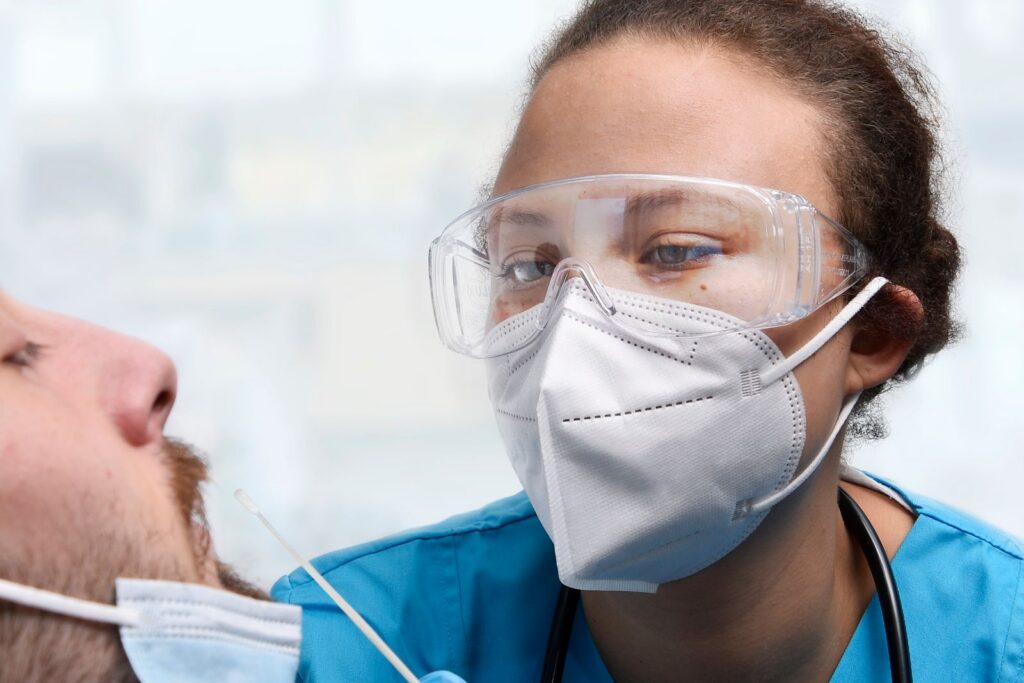
Because COVID symptoms overlap heavily with flu, RSV and the common cold, testing is the only reliable way to know what you have. If an at-home rapid test is negative, the CDC recommends testing again after 48 hours to be confident you aren’t infected.
Current CDC isolation and quarantine guidance
If you test positive, the CDC advises staying home and isolating from others who are not sick until you feel better. You can return to normal activities once symptoms have improved and you have been fever-free for at least 24 hours without medication. While recovering, avoid close contact with immunocompromised people and consider wearing a well-fitted N95 or KN95 respirator.
Is there a new COVID booster for 2026–2027?
The 2026–2027 COVID-19 vaccine is expected to arrive in September and is designed to target the XFG variant now driving the surge. In May, the U.S. FDA recommended updating the shot to match XFG, and experts say it will also provide meaningful cross-protection against related circulating strains.
- The updated booster is not yet available — most experts expect a September release
- Vaccination reduces the risk of severe illness, hospitalization and death, and may lower the risk of long COVID
- Vaccines are especially recommended for adults 65+, pregnant women, and people with underlying conditions
- Since last year, the CDC has used a shared clinical decision-making model: talk to your doctor, nurse or pharmacist about whether and when to get the shot
How to protect yourself during the summer wave
- Wear a well-fitted mask in crowded indoor settings
- Stay up to date on COVID, flu and RSV vaccines
- Avoid close contact with people who are sick
- Test if you have symptoms — and test again 48 hours later if negative
- Ask a healthcare provider about antivirals early if you are at high risk
Frequently Asked Questions
Is the U.S. in a COVID surge right now?
Yes — a late-summer wave is underway. As of mid-August 2026, the CDC estimates COVID infections are growing or likely growing in 47 states, and wastewater data show national activity in the “high” range, with August concentrations up about 140% from July.
What is the dominant COVID variant in 2026?
XFG.1.1 is the dominant strain, accounting for roughly 22–40% of U.S. cases, followed by BA.3.2 “Cicada” at about 15%. Both are within the omicron family.
When will the new COVID booster be available?
The updated 2026–2027 COVID-19 vaccine, which targets XFG, is expected to be released in September 2026. It will be available through pharmacies, clinics and healthcare providers.
What should I do if I test positive for COVID?
Stay home and isolate until your symptoms improve and you’ve been fever-free for at least 24 hours without medication. Wear a respirator around others, especially those at high risk, and contact your doctor about antiviral treatment if you qualify.
How long after exposure do COVID symptoms appear?
Symptoms usually appear within two to 14 days after exposure, with most people developing signs within a few days. Testing immediately after exposure may give a false negative — retest after 48 hours if symptoms develop.
Bottom line
The late-summer 2026 COVID wave is real but appears milder than recent surges, with lower test positivity and hospitalization pressure than last year. Still, with transmission expected to peak in early September and the updated booster not yet in arms, public health experts urge caution — especially for older adults, pregnant people and those with underlying conditions. Talk to your healthcare provider about vaccination timing, test if you feel sick, and take simple precautions in crowded indoor spaces.
Sources: CDC (cdc.gov), WastewaterSCAN / Stanford University, TODAY.com, USA Today. This article is for informational purposes and is not a substitute for professional medical advice.

Medical Disclaimer
The information provided on this website is for general informational purposes only and is not intended as medical advice. Always consult with a qualified healthcare professional for medical advice, diagnosis, or treatment. Never disregard professional medical advice or delay in seeking it because of something you have read on this website.