Ebola Outbreak 2026: DRC Bundibugyo Epidemic Becomes Second-Largest on Record as Vaccine Race Accelerates
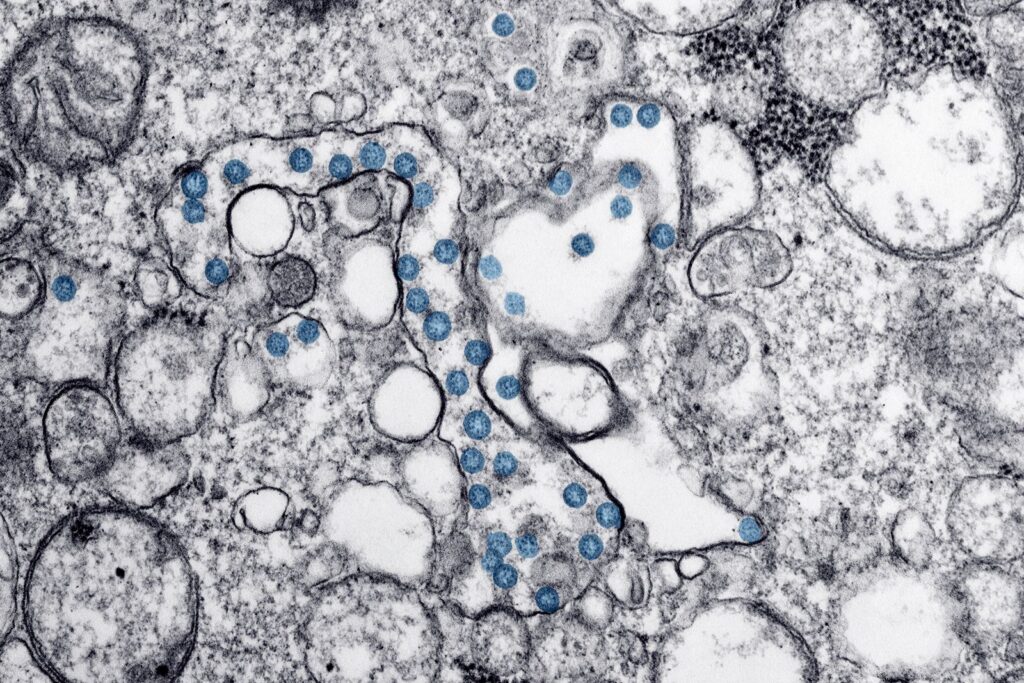
The Ebola outbreak in the Democratic Republic of the Congo (DRC) has grown into the second-largest Ebola outbreak ever recorded and the largest the country has ever faced, prompting the World Health Organization to declare a Public Health Emergency of International Concern (PHEIC). The epidemic is driven by the rare Bundibugyo virus (BDBV), a species of Ebola for which no licensed vaccine or specific treatment exists — a fact that has turned the response into a global scientific race.
According to the latest figures compiled from DRC health authorities, the WHO and the US Centers for Disease Control and Prevention (CDC), the outbreak has produced roughly 7,000 confirmed cases, more than 3,400 deaths, and around 1,690 recoveries, with a case fatality rate near 48 percent. Health officials warn the true scale is likely larger because testing capacity in conflict-affected areas remains severely limited.
What Is the Bundibugyo Virus?
Bundibugyo virus is one of the four ebolaviruses known to cause disease in humans. It was first identified in Uganda’s Bundibugyo District during an outbreak in 2007–2008 and reappeared in Isiro, DRC, in 2012. The 2026 event is only the third known Bundibugyo outbreak.
The critical problem is that the vaccines and antibody treatments stockpiled worldwide — including Ervebo and other Zaire ebolavirus countermeasures — were developed against the Zaire ebolavirus, not Bundibugyo. That mismatch has left frontline teams without proven pharmaceutical tools.
How the 2026 Ebola Outbreak Unfolded
The first cases were reported on 14 May 2026 in Ituri Province, in northeastern DRC, although genetic and epidemiological evidence suggests the virus may have been circulating as early as January or February in the mining town of Mongbwalu. WHO declared the outbreak a PHEIC on 16 May 2026.
Within months it had become the fastest-growing Ebola outbreak on record. The epicentre has centred on the health zones of Bunia, Mongbwalu, Rwampara and Nyankunde, but transmission has since spread well beyond Ituri.
Where the virus has spread
- Ituri (original epicentre)
- North Kivu and South Kivu
- Haut-Uélé, Bas-Uélé, Tshopo and Sud-Ubangi
- Kampala, Uganda (linked cases)
- An imported case reported in France
Why This Ebola Outbreak Is Spreading So Fast
Public health experts point to a combination of biology, geography and conflict:
- No approved countermeasures. With no licensed Bundibugyo vaccine or treatment, outbreak control depends on rapid case identification, isolation, contact tracing and safe burials — all of which are labour-intensive.
- Diagnostic bottlenecks. The virus is difficult to confirm, test kits are in short supply, and hundreds of samples have gone untested.
- Armed conflict and displacement. Decades of fighting, armed checkpoints and shifting front lines in Ituri and the Kivus slow sample transport and cut off communities.
- High mobility. Ituri is a commercial and migration hub, and mining-related travel complicates contact tracing.
- Burial customs and misinformation. Traditional funeral practices that involve washing and touching the deceased can drive transmission, while community mistrust hampers early care-seeking.
The Vaccine and Treatment Race
Researchers are moving at unprecedented speed. The DRC holds a stockpile of roughly 70,000 doses of the Ervebo vaccine, normally used against Zaire ebolavirus. About 50,000 doses are being offered to frontline health workers, while 20,000 doses are reserved for a WHO-led Phase 3 clinical trial testing whether the vaccine offers any protection against Bundibugyo virus. News reports indicate around 2,000 frontline workers have already been vaccinated.
Separately, Bundibugyo-specific candidates are in development with funding from the Coalition for Epidemic Preparedness Innovations (CEPI). Oxford University, Moderna and IAVI are advancing new vaccines, and Phase 1 safety trials have begun outside the DRC. An oral antiviral treatment trial for Ebola has also been registered and is described as ready to launch.
Global Risk and Travel Advice
The CDC says it is treating the outbreak as a global health security priority, with roughly 500 staff involved and more than 120 people deployed to affected countries. The European Centre for Disease Prevention and Control rates the risk to EU citizens as low but continues to publish threat assessments.
Travellers to affected regions are advised to avoid contact with sick people and bodily fluids, practise strict hand hygiene, and monitor their health for three weeks after returning. Anyone who develops fever, muscle pain or unexplained bleeding after travel should seek medical care immediately and mention their travel history.
Symptoms of Bundibugyo Virus Disease
Ebola symptoms typically appear 2 to 21 days after exposure and may include:
- Fever and chills
- Severe headache and muscle pain
- Fatigue and weakness
- Sore throat
- Vomiting, diarrhoea and stomach pain
- Unexplained bruising or bleeding (in severe cases)
Ebola spreads through direct contact with the blood, secretions, organs or bodily fluids of infected people or animals, and with contaminated surfaces and materials.
Frequently Asked Questions
Is there a vaccine for Bundibugyo virus?
No. As of September 2026, there is no licensed vaccine or specific treatment for Bundibugyo virus disease. The Ervebo vaccine — approved for Zaire ebolavirus — is being studied in a Phase 3 trial, and several Bundibugyo-specific candidates are in early clinical development.
Is the 2026 Ebola outbreak a global emergency?
Yes. The WHO declared the outbreak a Public Health Emergency of International Concern (PHEIC) on 16 May 2026, the highest level of alarm under international health law.
How many people have died in the 2026 Ebola outbreak?
More than 3,400 deaths have been reported, including roughly 3,398 in the DRC and two in Uganda. The case fatality rate is approximately 48 percent.
How is Ebola transmitted?
Ebola spreads through direct contact with the blood or bodily fluids of an infected person or animal, or with contaminated objects. It is not airborne.
Should travellers worry about the Ebola outbreak?
For most travellers outside affected areas, the risk remains low. Those visiting or returning from the DRC or Uganda should follow national guidance and monitor their health for 21 days.
The Bottom Line
The 2026 Bundibugyo outbreak is a stark reminder that the world’s Ebola defences are pathogen-specific. Even as case counts climb past 7,000 and deaths pass 3,400, the response rests on classic public health measures — and on how quickly science can deliver a vaccine that works against this rare strain.

Medical Disclaimer
The information provided on this website is for general informational purposes only and is not intended as medical advice. Always consult with a qualified healthcare professional for medical advice, diagnosis, or treatment. Never disregard professional medical advice or delay in seeking it because of something you have read on this website.