
Semaglutide Tied to 40% Fewer Asthma Attacks and 20% Fewer COPD Flare-Ups in Landmark Real-World Study
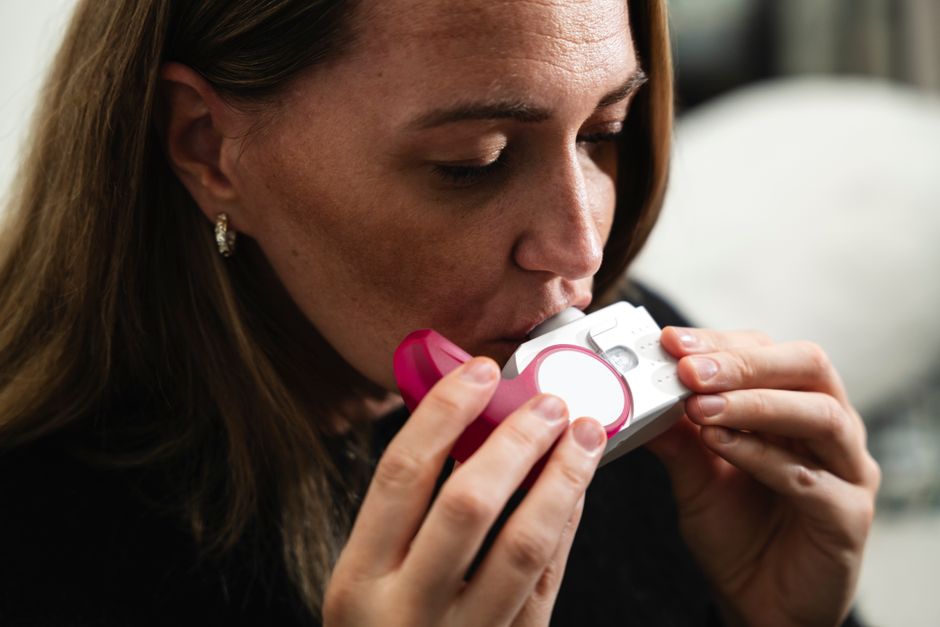
People with asthma and chronic obstructive pulmonary disease (COPD) who take the GLP-1 receptor agonist semaglutide appear to suffer significantly fewer acute respiratory attacks, according to major new real-world research presented at the European Respiratory Society (ERS) Congress in Barcelona. The study found that semaglutide, the active ingredient in Ozempic and Wegovy, was associated with nearly a 40% reduction in asthma attacks and around a 20% reduction in COPD flare-ups compared with another common class of diabetes drugs.
The findings, led by researchers at Imperial College London, are among the largest real-world investigations yet into how popular weight-loss and diabetes medications affect lung health, and they add fresh weight to the idea that metabolic health and respiratory health are deeply connected.
What the Study Found
The research team, led by Professor Chloe Bloom, Clinical Associate Professor in Respiratory Epidemiology at the National Heart & Lung Institute, Imperial College London, analysed electronic medical records from the United Kingdom. They ran four parallel studies, each involving between 20,000 and 22,000 people with airway disease who had started either a GLP-1 medication or a sulfonylurea, a different class of diabetes drug often used as a comparison in this type of research.
Across the cohorts, people with asthma and COPD who received GLP-1 therapies experienced fewer acute respiratory attacks than comparable patients prescribed the other diabetes medications.
- Asthma: semaglutide was linked to nearly a 40% reduction in asthma attacks
- COPD: semaglutide was linked to about a 20% reduction in flare-ups, also called exacerbations
- Strongest signal: the effect was most pronounced with semaglutide, particularly in people with asthma
- Population studied: UK electronic health records, with roughly 20,000 to 22,000 participants per parallel study
Why Researchers Looked at GLP-1 Drugs and Lung Health
GLP-1 receptor agonists are among the most widely prescribed medicines in the world for type 2 diabetes and obesity. Previous research suggested they may have anti-inflammatory effects and could improve some lung-related outcomes, but asthma and COPD attacks had never been included as formal outcomes in the clinical trials that brought these drugs to market.
“GLP-1 receptor agonists are widely used to treat type 2 diabetes and obesity,” Bloom said. “Previous research suggests that they may have anti-inflammatory effects and may improve lung-related outcomes. However, asthma and COPD outcomes have not been included as outcomes in GLP-1 drug trials.”
That gap is exactly what the Imperial team set out to close. “We wanted to use real-world health records to investigate whether people with asthma or COPD who started GLP-1 receptor agonists had fewer acute respiratory attacks,” Bloom explained.
Experts Urge Caution Despite Encouraging Numbers
Both the study authors and independent specialists were careful to stress that the results are not a green light to prescribe semaglutide as a lung treatment. Real-world observational data can show associations, not proof of cause and effect, and patients in these records were not randomly assigned to treatments.
“The findings from this study are encouraging, but they should not change treatment decisions on their own,” Bloom said. “People with asthma or COPD should not start GLP-1 receptor agonists specifically for their lung condition outside current prescribing guidance. While the findings suggest that some people taking GLP-1 receptor agonists may experience fewer respiratory attacks, this needs confirmation in clinical trials.”
Dr. Alexander Mathioudakis, Chair of the European Respiratory Society’s Group on Airway Pharmacology and Treatment and Senior Lecturer in Respiratory Medicine at the University of Manchester, who was not involved in the research, said the work carries an important broader message.
“Obesity and metabolic dysfunction are common in airways disease and are often under-recognized as problems that can and should be addressed,” he said. “This is one of the largest real-world studies to investigate GLP-1 receptor agonists and airways disease, and one of the first to examine whether effects differ between individual GLP-1 receptor agonists.”
Mathioudakis added that the study “highlights the need to consider metabolic health as part of respiratory care” and supports including respiratory outcomes such as asthma attacks and COPD exacerbations in future trials of metabolic therapies.
Why Metabolic Health May Matter for the Lungs
Asthma and COPD have traditionally been managed as purely airway conditions, with inhaled corticosteroids, bronchodilators and lifestyle advice forming the backbone of care. But obesity, insulin resistance and chronic low-grade inflammation are increasingly recognized as factors that can worsen respiratory symptoms and trigger flare-ups.
GLP-1 receptor agonists work by mimicking a gut hormone that regulates appetite, blood sugar and digestion. Receptors for that hormone are also found on airway smooth muscle and immune cells, which gives scientists a plausible biological reason why these drugs might calm inflamed airways. Whether that mechanism is driving the observed reductions, or whether weight loss and better blood sugar control are doing the heavy lifting, remains an open question.
What This Means for Patients
For now, the practical takeaways are modest but meaningful:
- If you already take a GLP-1 medicine for diabetes or obesity and you have asthma or COPD, you may be receiving a respiratory bonus, but this is not yet proven.
- Do not start, stop or change any diabetes, weight-loss or inhaler medication based on this study alone.
- If you have airway disease plus obesity or type 2 diabetes, it is worth asking your clinician whether your metabolic health is being actively managed as part of your respiratory care.
- Keep using your prescribed inhalers and rescue medication exactly as directed.
Frequently Asked Questions
Does Ozempic cure asthma?
No. The study found an association between semaglutide use and fewer asthma attacks, but it did not prove that the drug prevents or cures asthma. Semaglutide is not approved for asthma, and experts say it should not be started for that purpose outside existing prescribing guidance.
How much did asthma attacks fall in the study?
Semaglutide use was associated with nearly a 40% reduction in asthma attacks. For COPD, the reduction in flare-ups was around 20%.
How was the research conducted?
Researchers analysed UK electronic medical records in four parallel studies, each with roughly 20,000 to 22,000 people. They compared patients who started a GLP-1 medication with those who started a sulfonylurea, another diabetes drug class.
Why might a diabetes drug help the lungs?
GLP-1 receptors are present on airway smooth muscle and immune cells, and the drugs are thought to have anti-inflammatory effects. Weight loss and improved blood sugar control may also reduce the metabolic burden that worsens airway disease.
Will these findings change treatment guidelines?
Not yet. Both the study authors and independent experts say randomized clinical trials that include respiratory outcomes such as attacks, exacerbations, lung function, symptoms and quality of life are needed before guidelines change.
Should I ask my doctor about switching medications?
You can raise the study with your clinician, but any decision about starting or stopping a GLP-1 receptor agonist should be based on your current approved indications, your medical history and your doctor’s assessment, not on a single observational study.
The Bottom Line
This is some of the strongest real-world evidence yet that GLP-1 receptor agonists may do more than control blood sugar and weight. With semaglutide linked to nearly 40% fewer asthma attacks and about 20% fewer COPD flare-ups, the findings reinforce a growing view that metabolic health belongs in the respiratory clinic. The next step, experts agree, is properly designed clinical trials that put lung outcomes front and centre.
Source: Research presented at the European Respiratory Society (ERS) Congress, Barcelona, led by Professor Chloe Bloom, National Heart & Lung Institute, Imperial College London.

Medical Disclaimer
The information provided on this website is for general informational purposes only and is not intended as medical advice. Always consult with a qualified healthcare professional for medical advice, diagnosis, or treatment. Never disregard professional medical advice or delay in seeking it because of something you have read on this website.