DRC Ebola Outbreak 2026: Cases Top 6,000 as WHO Expands Vaccine Response
The Ebola outbreak in the Democratic Republic of the Congo (DRC) has become the largest ever recorded in the country, with confirmed cases now surpassing 6,000 and deaths nearing 3,000. Driven by the rare Bundibugyo strain of the Ebola virus, the 2026 outbreak is spreading faster than any previous Ebola epidemic and has triggered an urgent international response from the World Health Organization (WHO), the U.S. Centers for Disease Control and Prevention (CDC), Gavi and other global health partners. Health authorities are warning that without a licensed vaccine or specific treatment for this strain, the outbreak could exceed the deadliest Ebola epidemic on record.
Ebola outbreak 2026: key numbers at a glance
- More than 6,000 confirmed Ebola cases reported in the DRC since the outbreak began
- Over 3,000 related deaths, according to the latest figures from health ministries and the European Centre for Disease Prevention and Control (ECDC)
- Affected provinces include Haut-Uele, Ituri, North Kivu, South Kivu and Tshopo, with related cases also reported in Uganda’s capital, Kampala
- The outbreak is caused by the Bundibugyo virus, a rare Ebola strain with no approved vaccine or specific treatment
- The WHO has allocated 70,000 doses of the Ervebo Ebola vaccine to support containment efforts, including a late-stage clinical trial
What is driving the largest Ebola outbreak in DRC history?
The current epidemic began in Kasai Province in September 2025 and has since spread across multiple provinces in one of Africa’s most challenging response environments. According to the WHO and CDC, the outbreak has expanded about three times faster than the 2014–2016 West Africa epidemic, which remains the deadliest Ebola outbreak in history.
Several factors are fuelling the rapid spread. Insecurity and armed conflict have made it dangerous for response teams to reach affected communities. Displacement and population movement have carried the virus across borders, and repeated attacks on health workers and treatment centres have disrupted contact tracing, isolation and safe burial practices — all critical tools for stopping Ebola.
The World Health Organization has warned that the outbreak is on track to exceed the deadliest on record if transmission is not brought under control soon.
A rare strain with no approved vaccine or treatment
What makes this outbreak especially concerning is the culprit: Bundibugyo virus. Unlike the more common Zaire strain that drove previous epidemics, Bundibugyo has no licensed vaccine or specific antiviral treatment approved for it. This limits the playbook that successfully ended earlier Ebola outbreaks.
The Ervebo vaccine, which is highly effective against the Zaire strain, is being deployed in the DRC despite uncertainty about how well it protects against Bundibugyo. Laboratory studies in animals suggest it may offer partial protection, but the WHO initially judged the evidence insufficient. After reviewing new data in late July, the WHO Technical Advisory Group authorised a Phase 3 clinical trial of the vaccine in the DRC to determine whether it can protect against the Bundibugyo strain.
In the meantime, care for infected patients focuses on supportive treatment: fluids, electrolytes, oxygen and management of complications, alongside experimental therapies where available.
Global response: vaccines, funding and a race against time
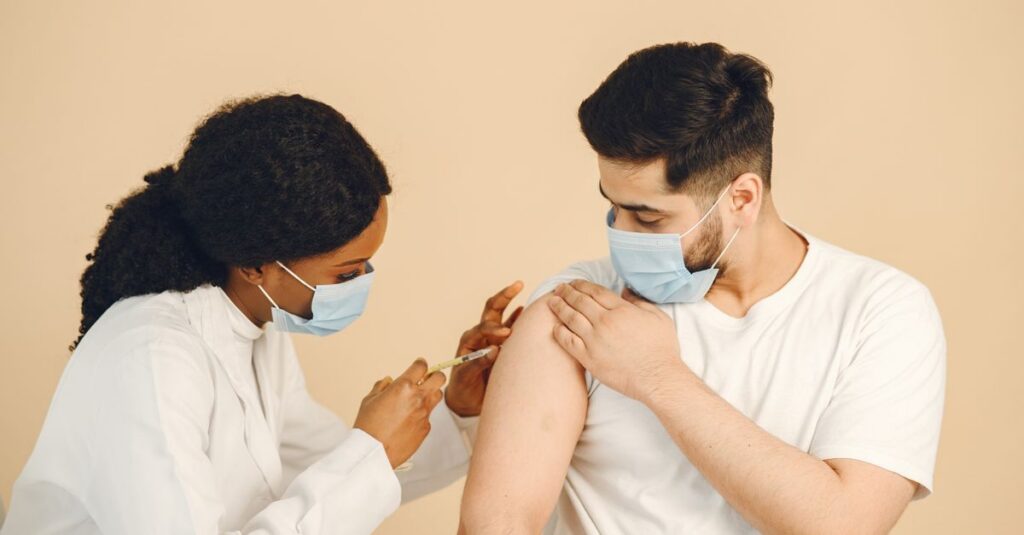
The international response has mobilised rapidly. The WHO has allocated 70,000 doses of Ervebo to the DRC, including 20,000 reserved for the late-stage efficacy trial. Gavi, the Vaccine Alliance, has committed US$13 million to support vaccine delivery and ring vaccination in high-risk areas.
The United States has pledged US$375 million in the first two months of the response — already more than initial U.S. financing for the two previous largest Ebola outbreaks. The CDC reports that roughly 500 staff are involved in the response, with more than 120 deployed to affected countries. Médecins Sans Frontières (Doctors Without Borders) has more than 1,700 staff on the ground supporting treatment and containment.
Beyond the DRC, health authorities in Uganda and France are monitoring and responding to cases linked to the outbreak, including the case reported in Kampala.
Ebola symptoms and how the virus spreads
Ebola virus disease is severe and often fatal, but early supportive care significantly improves survival. Symptoms typically appear 2 to 21 days after exposure and include:
- Sudden fever and chills
- Severe headache and muscle pain
- Fatigue and weakness
- Vomiting and diarrhoea
- Abdominal pain and unexplained bleeding or bruising
The virus spreads through direct contact with the blood, bodily fluids or tissues of an infected person or someone who has died of Ebola. It can also spread through contact with contaminated surfaces, needles or medical equipment. People become contagious only once symptoms begin, which is why rapid identification and isolation of cases is so important.
What travellers and the public should know
The CDC currently advises travellers to practice enhanced precautions when visiting affected areas of the DRC and neighbouring countries. Recommendations include:
- Avoid contact with people who are sick or who have died from Ebola
- Avoid contact with blood and bodily fluids, and with items that may have been contaminated
- Avoid handling bats, non-human primates and wild bushmeat
- Wash hands frequently with soap and water or use alcohol-based hand sanitiser
- Seek medical care immediately and mention your travel history if you develop fever, fatigue, vomiting or diarrhoea within 21 days of returning from an affected area
For the general public outside affected regions, the risk of infection remains very low. Ebola is not airborne, and it does not spread through casual contact.
Frequently asked questions about the DRC Ebola outbreak
How many Ebola cases are there in the DRC right now?
As of early September 2026, the DRC has reported more than 6,000 confirmed cases and over 3,000 deaths, according to national health authorities and the ECDC. Figures are changing rapidly as surveillance and testing expand.
What is the Bundibugyo strain of Ebola?
Bundibugyo virus is one of several viruses that cause Ebola disease. It is rarer than the Zaire strain and was first identified in Uganda in 2007. Unlike the Zaire strain, it has no approved vaccine or specific treatment, which makes outbreaks harder to contain.
Is the Ervebo vaccine effective against this outbreak?
Ervebo is licensed and highly effective against the Zaire strain of Ebola, but its effectiveness against Bundibugyo is not yet established. The WHO has authorised a Phase 3 clinical trial in the DRC, using 20,000 of the 70,000 allocated doses, to answer this question while ring vaccination of frontline workers proceeds.
Should I be worried about Ebola spreading internationally?
International risk is considered low, though not zero. Cases linked to the DRC outbreak have been reported in Uganda, and public health agencies are screening travellers and strengthening surveillance. The virus only spreads through direct contact with bodily fluids of symptomatic people, so standard precautions are highly protective.
What should I do if I develop symptoms after travelling to an affected area?
Seek medical care immediately, call ahead so staff can prepare, and tell your doctor about your travel history and any contact with sick people. Early isolation and supportive treatment dramatically improve the chances of survival.
Why this outbreak matters for global health security
The DRC Ebola outbreak is a stark reminder that infectious diseases remain one of the greatest threats to global health. The combination of a rare viral strain, conflict, displacement and attacks on health workers has created a perfect storm that is testing the limits of the world’s outbreak response system. The race to test and deploy vaccines against Bundibugyo will not only shape the outcome of this epidemic — it will help determine how prepared the world is for the next emerging virus. With coordinated funding, community engagement and science moving at record speed, health authorities still believe this outbreak can be contained.

Medical Disclaimer
The information provided on this website is for general informational purposes only and is not intended as medical advice. Always consult with a qualified healthcare professional for medical advice, diagnosis, or treatment. Never disregard professional medical advice or delay in seeking it because of something you have read on this website.