Gut Bacteria Compound From Pomegranates and Walnuts May Heal the Intestine, Study Finds
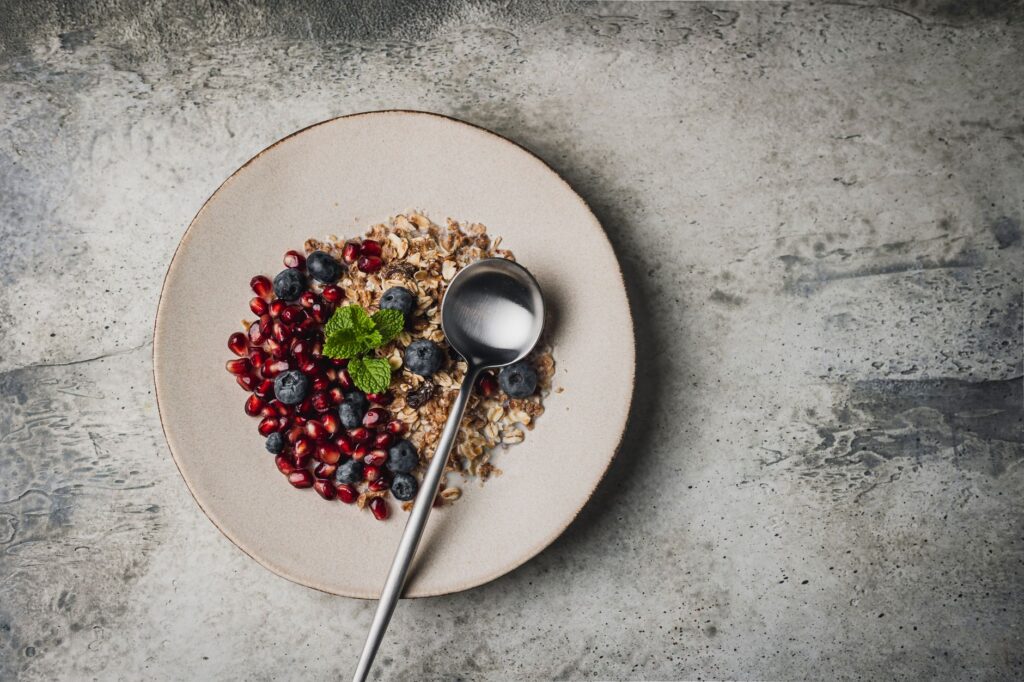
A natural compound produced by gut bacteria after you eat pomegranates, walnuts and berries may help heal the lining of the intestine, according to a new study that could change how scientists approach inflammatory bowel disease (IBD). Researchers at the University of Louisville have mapped, for the first time, exactly how this microbial metabolite – called urolithin A, or UroA – flips a normally inflammatory system into a protective one that repairs the gut barrier.
The findings, published in the journal Nature Communications, offer a potential new direction for the millions of people worldwide living with Crohn’s disease and ulcerative colitis, the two main forms of IBD. Rather than broadly suppressing the immune system, future treatments might instead switch on specific protective pathways in the right cells at the right time.
What Is Urolithin A and Why Does It Matter for Gut Health?
Urolithin A is not found in food directly. It is created when certain gut bacteria break down compounds called ellagitannins, which are abundant in pomegranates, walnuts, berries and some other plant foods. In other words, the benefit depends on a partnership between your diet and the microbes living in your digestive tract – and not everyone carries the bacteria needed to make it.
Earlier research led by the same team had already flagged urolithin A as beneficial for the gut. The new work goes further, explaining the molecular mechanism behind those effects.
A Protective Pathway Hidden in the Gut Lining
The study centers on a protein called the aryl hydrocarbon receptor, or AHR. This receptor acts like a sensor, responding to signals from the environment, from food and from gut microbes. Scientists have long known that AHR can cause harm when it is triggered by certain environmental toxins – but that beneficial dietary compounds can activate the very same receptor in ways that support intestinal health. Until now, no one could fully explain why the outcomes were so different.
The Louisville team found the answer lies in where and how strongly AHR is activated.
When urolithin A selectively activates AHR in intestinal epithelial cells – the specialized cells that form and protect the gut lining – it triggers a cellular defense system called the NLRP6 inflammasome. Inflammasomes are usually associated with damaging inflammation, but the researchers discovered this particular system can play a protective role under the right conditions.
Activating it in these cells prompted the release of carefully calibrated molecules that:
- Help repair the damaged gut lining
- Reinforce the intestinal barrier that keeps harmful bacteria from escaping
- Increase production of protective mucus
- Strengthen antimicrobial defenses
Crucially, the response did not drive additional inflammation. According to the researchers, this is the first study to show how a natural product made by microbes can work with the body’s own response systems to regulate complex cellular processes during intestinal injury.
“The findings show that not all inflammatory pathways are harmful,” said Sweta Ghosh, previously a postdoctoral researcher in the lab and lead investigator on the study. “Under the right conditions and in the right cells, these pathways can play an essential role in maintaining gut health and supporting tissue repair.”
How the Research Was Conducted
The team tested the mechanism using several complementary approaches, which strengthens the reliability of the results:
- Cell studies examining how UroA interacts with intestinal epithelial cells
- Organoid models – miniature, lab-grown versions of intestinal tissue
- Human tissue samples from patients with IBD
In the human tissue samples, urolithin A activated the same protective pathway observed in the laboratory experiments. That consistency across models is a key reason the findings are generating interest.
Why the Gut Barrier Matters in IBD
In a healthy digestive system, the gut barrier allows nutrients to pass into the body while blocking harmful bacteria from leaking out of the intestines. In people with IBD, this protective barrier can break down. That breakdown contributes to persistent inflammation, pain and long-term complications.
Most existing IBD treatments work by dampening the immune response, which can leave patients more vulnerable to infections. A therapy that instead strengthens the barrier and restores balance could offer a fundamentally different – and potentially safer – approach.
“This study helps us better understand how natural compounds produced through interactions between diet, gut microbes and the body can influence disease processes,” said Venkatakrishna Rao Jala, associate professor in the Department of Microbiology and Immunology and UofL’s Brown Cancer Center, who led the research. “By identifying this specific protective pathway, we may be able to develop more targeted therapeutic approaches that restore intestinal balance instead of broadly suppressing immune responses.”
What This Means for Patients Right Now
It is important to be clear about the current limits of the science. This was a laboratory and tissue-based study, not a clinical trial in patients. It does not show that eating pomegranates or walnuts will treat Crohn’s disease or ulcerative colitis, and no one should stop or change their medication based on these findings.
What it does provide is a validated biological target – a specific receptor, cell type and molecular pathway – that drug developers and nutrition scientists can now pursue. It also reinforces a growing body of evidence that the gut microbiome is a powerful lever for human health, and that diet shapes that microbiome in meaningful ways.
The researchers suggest future IBD treatments could target protective pathways in selected cell types rather than suppressing the immune system broadly. That would mark a significant shift in how gastrointestinal diseases are managed.
Frequently Asked Questions
What foods produce urolithin A?
Urolithin A is made by gut bacteria when they break down ellagitannins found in pomegranates, walnuts, berries (such as raspberries, strawberries and blackberries), and some other plant foods. It is not present in the foods themselves – your microbiome has to manufacture it. Because people carry different bacteria, some individuals produce much more urolithin A than others from the same diet.
Does this mean pomegranates can cure IBD?
No. The study was conducted in cells, lab-grown organoids and human tissue samples – not in patients receiving treatment. It identifies a mechanism, not a therapy. Researchers hope it will lead to new targeted treatments, but no dietary change has been proven to cure or treat IBD based on this work.
What is the NLRP6 inflammasome?
Inflammasomes are protein complexes that help regulate inflammation. NLRP6 is one found in the intestine. While inflammasomes are often linked to damaging inflammation, this study shows NLRP6 can also play a protective role – helping repair the gut lining, thicken protective mucus and strengthen antimicrobial defenses when activated appropriately.
What is the aryl hydrocarbon receptor (AHR)?
AHR is a protein that senses signals from diet, gut microbes and the environment. Depending on the signal, the cell type and the strength of activation, AHR can either promote harm or support intestinal health. The new research explains why urolithin A’s activation of AHR in intestinal epithelial cells turns out to be protective.
When could this lead to a new IBD treatment?
No timeline has been announced. Moving from a mechanistic discovery to an approved therapy typically involves years of additional research, including animal studies and human clinical trials. This finding provides the biological rationale such development requires.
The Bottom Line
A compound your own gut bacteria make from pomegranates, walnuts and berries appears to activate a precise repair program in the cells that line the intestine. The discovery helps explain why some inflammatory pathways protect rather than harm, and it points toward a new generation of IBD treatments designed to restore balance instead of shutting down the immune system. For now, it is a promising scientific milestone – and another reminder that the trillions of microbes in your gut are active partners in your health.

Medical Disclaimer
The information provided on this website is for general informational purposes only and is not intended as medical advice. Always consult with a qualified healthcare professional for medical advice, diagnosis, or treatment. Never disregard professional medical advice or delay in seeking it because of something you have read on this website.