New Findings for Handling Preterm Babies
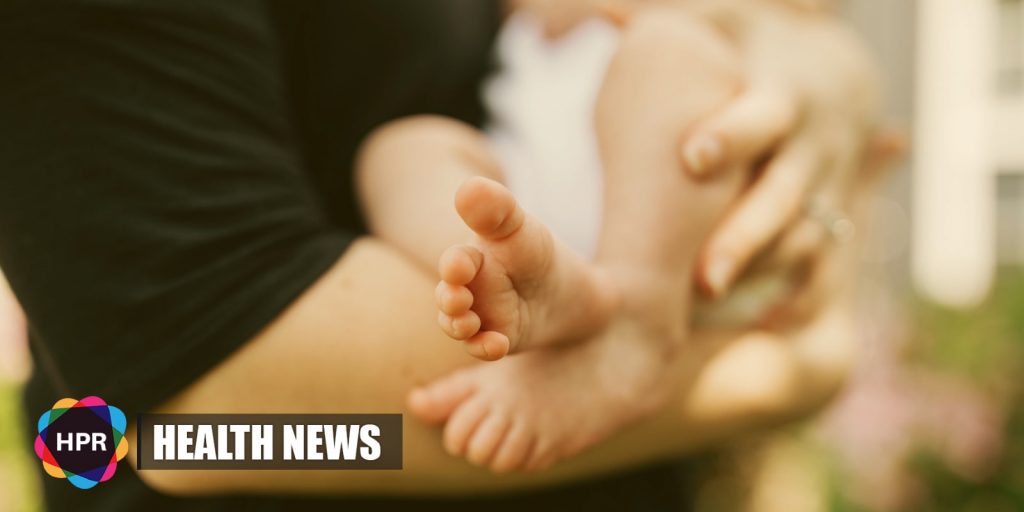
A crucial study conducted by Australian researchers is giving doctors the necessary information that they need when it comes to care management of severely preterm babies. The aim is to increase the chances of survival for premature babies by giving them a more safe and accurate level of oxygen. According to Professor Lisa Askie of the University of Sydney (a senior research fellow), this amazing breakthrough will save thousands of premature infants worldwide and give them a better chance of survival. An estimated 1,000 babies in Australia are born prematurely usually at 28 weeks gestation. Out of the 1,000 babies, 200 of them don’t live.
Frequently Asked Questions
What is the main topic discussed in this episode of Health Professional Radio?
This episode covers important developments in healthcare, including updates on Treatment. Health Professional Radio brings you expert insights and analysis on the latest medical news affecting healthcare professionals and patients alike.
How can healthcare professionals benefit from this information?
Healthcare professionals can stay informed about the latest developments in Treatment and related fields, enabling them to provide better patient care. Staying current with medical news helps clinicians make evidence-based decisions in their practice.
Where can I find more information about Treatment?
For more detailed information, listen to the full episode on Health Professional Radio and visit hpr.fm for additional resources. You can also subscribe to our podcast for regular updates on healthcare news and expert interviews.
Professor Askie said: “Identifying a treatment that increases the chances of survival is a major step forward and will lead to thousands more infants around the world surviving an early preterm delivery.” She also explains that the safe level of oxygen saturation (level of oxygen in the blood) has been between 85-95 per cent. But now that range should be narrowed in order to increase the rate of survival, according to trials done by the NHMRC Clinical Trials Centre at the University of Sydney.
Five international trials were conducted that involved almost 5,000 infants. It was discovered that the chance of survival for a child born before 28 weeks is greatly increased when a higher oxygen saturation level of 91-95 per cent is given instead of the standard (lower) level of 85- 89 per cent.

Medical Disclaimer
The information provided on this website is for general informational purposes only and is not intended as medical advice. Always consult with a qualified healthcare professional for medical advice, diagnosis, or treatment. Never disregard professional medical advice or delay in seeking it because of something you have read on this website.