
Scientists Successfully Regrow Human Teeth: The End of Dentures and Dental Implants?
For millions of people worldwide, a trip to the dentist triggers anxiety, fear, and dread. But what if that visit could one day involve regrowing damaged teeth instead of drilling, filling, or extracting them? This vision is moving closer to reality as scientists around the world make remarkable progress in regenerative dentistry — the science of growing new teeth.
The Silent Epidemic of Tooth Loss
Tooth loss affects more than just appearance. Research increasingly shows that oral health is intimately connected to overall physical health. Dental issues, particularly bacteria from gum disease, can increase the risk of heart disease, respiratory infections, and have even been linked to Alzheimer’s disease. Tooth loss itself is associated with higher rates of illness and earlier mortality, affecting the ability to eat, chew, and smile — creating a downward spiral that can begin in childhood.
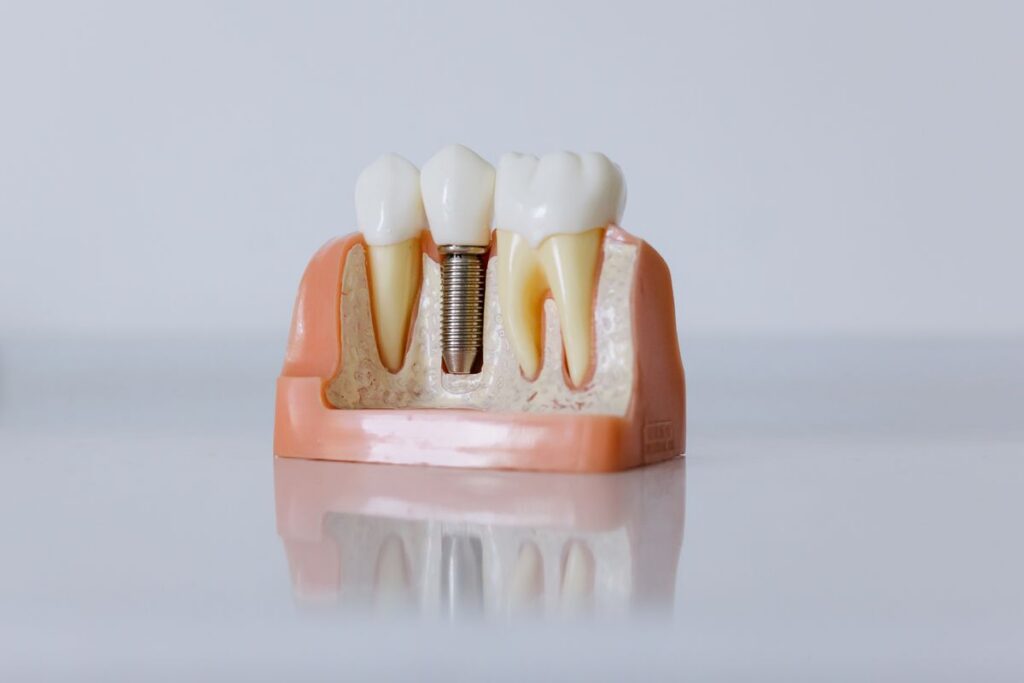
Current solutions have significant limitations. Fillings typically last only five to twenty years before requiring replacement. Dental implants, while more durable, don’t contain nerves that help you sense while chewing, making it possible to bite down too hard and crack them. Bacteria can attach to implants, leading to peri-implant diseases that threaten surrounding healthy teeth. Artificial crowns need replacement after about 15 years and can cost thousands of dollars.
What Is Regenerative Dentistry?
Regenerative dentistry represents a fundamental shift in how we approach dental care. Instead of repairing damage with synthetic materials, it focuses on stimulating the body’s own healing mechanisms to restore biological function. According to Dr Anne George, a professor of oral biology at the University of Illinois, Chicago, these fixes primarily focus on “repairing damage, rather than restoring biological function.” Regenerative dentistry, she says, “emphasises healing” — and it could be a true paradigm shift.
Self-Filling Cavities
One of the most exciting areas of research involves developing treatments that allow teeth to repair themselves from within. Dr George has been studying the proteins that help dentine — the layer beneath tooth enamel — grow, mineralise, and repair itself. By understanding how teeth create and maintain this tissue, researchers hope to develop treatments that stimulate damaged teeth to repair cavity damage naturally, potentially ending the need for traditional fillings.
Living Fillings
At the University of Washington Institute for Stem Cell and Regenerative Medicine, biochemist Hannele Ruohola-Baker and her team are working on “living fillings” rooted in enamel regeneration. The challenge has been that the special cells that make enamel, called ameloblasts, die after a human tooth erupts. However, the team successfully used chemical signals to coax stem cells into becoming ameloblasts and odontoblasts (cells that make dentine). Combined in a laboratory dish, these ingredients produced a tooth organoid that secretes enamel proteins on its own.
Dr Ruohola-Baker envisions a future where these enamel proteins are used to create fillings or even painted onto cracked teeth. Her long-term goal is far more ambitious: a whole lab-grown tooth that could be implanted and allowed to develop naturally in a patient’s mouth.
Growing Entire Teeth in the Laboratory
Perhaps the most groundbreaking work comes from researchers who have already grown tooth-like structures in the laboratory from a combination of human and animal cells. Dr Pamela Yelick at Tufts School of Dental Medicine successfully grew human-like teeth in adult Yucatan minipigs by collecting cells capable of forming dentine from human teeth and enamel-forming cells from unerupted pig teeth.
After growing the cells in a laboratory, the researchers combined them on a bioengineered scaffold designed to mimic the environment of a developing tooth. Within three months, tooth-like structures developed at a rate comparable to natural tooth growth. The experiment proved that regenerative tooth replacement could work in principle, prompting an outpouring of interest from people desperate for alternatives to dentures and implants.
Meanwhile, at King’s College London, Dr Ana Angelova Volponi is creating organoids capable of developing into replacement teeth. Her team found that cells taken from adult human gum tissue, combined with tooth-forming cells from mice, could produce hybrid tooth structures with viable, developing roots. She is now working on engineered biomaterials that could help cells assemble into fully structured, functional teeth.
Why Teeth Matter to Overall Health
The push for regenerative dentistry isn’t just about convenience or appearance. As Dr Yelick explains, teeth are “your window to the world.” If you’re afraid to open your mouth or cannot eat properly, it affects every aspect of life. Studies have linked poor oral health to:
- Heart disease — bacteria from gum disease can enter the bloodstream and contribute to cardiovascular problems
- Respiratory infections — oral bacteria can be inhaled into the lungs
- Dementia — large studies have linked gum disease to increased dementia risk
- Diabetes complications — gum disease makes blood sugar harder to control
- Social and emotional wellbeing — tooth loss affects confidence and quality of life
How Soon Will This Be Available?
Despite the remarkable progress, lab-grown teeth are still years away from your local dentist’s surgery. Before human trials can begin, experiments with non-human primates must take place. Researchers need to create improved environments for tooth development and secure additional funding for the lengthy regulatory approval process.
However, the lessons learned in regenerative dentistry are already contributing to broader efforts to reproduce other parts of the body, such as organs and bones. Because teeth are “highly sophisticated living organs,” the techniques being developed for tooth regeneration are teaching scientists fundamental lessons about how hard and soft tissues work together.
Frequently Asked Questions
Can humans regrow teeth naturally?
No, unlike sharks, kangaroos, and elephants, humans cannot naturally regrow teeth once our adult set is damaged or lost. However, researchers are developing techniques to stimulate tooth regeneration using stem cells and tissue engineering.
When will lab-grown teeth be available?
While progress is accelerating, lab-grown teeth are likely still several years away from clinical use. Human trials have not yet begun, and researchers must complete safety studies in non-human primates first. Most experts are cautiously optimistic but emphasise that significant work remains.
How do lab-grown teeth compare to dental implants?
Lab-grown teeth would be biological replacements containing nerves and living tissue, unlike implants which are artificial. This means they would feel more natural, help you sense pressure while chewing, and potentially last longer than implants, which typically need crown replacement every 15 years.
Will regenerative dentistry replace all fillings?
The short answer is eventually, yes — but not immediately. Researchers envision a gradual transition where “living fillings” and self-repairing cavities become available first, followed by whole tooth replacement as the technology matures.
Is this treatment affordable?
It’s too early to estimate costs, but regenerative approaches have the potential to be more cost-effective over the long term by eliminating the need for repeated interventions and replacements associated with conventional fillings and implants.
Looking Ahead
The field of regenerative dentistry represents one of the most exciting frontiers in modern medicine. While the vision of regrowing teeth in a dentist’s chair remains aspirational, the scientific foundations are being laid today in laboratories around the world. For the millions who suffer from dental anxiety, failed fillings, and the limitations of implants, that hope is already a significant step forward.
As Dr Volponi of King’s College London puts it, regenerative dental solutions will eventually be available to the public. “That’s where I see the future,” she says. “It’s not very clear, but it’s hopeful.”

Medical Disclaimer
The information provided on this website is for general informational purposes only and is not intended as medical advice. Always consult with a qualified healthcare professional for medical advice, diagnosis, or treatment. Never disregard professional medical advice or delay in seeking it because of something you have read on this website.