Cyclospora Outbreak 2026: First US Deaths Confirmed in Largest Parasite Outbreak on Record
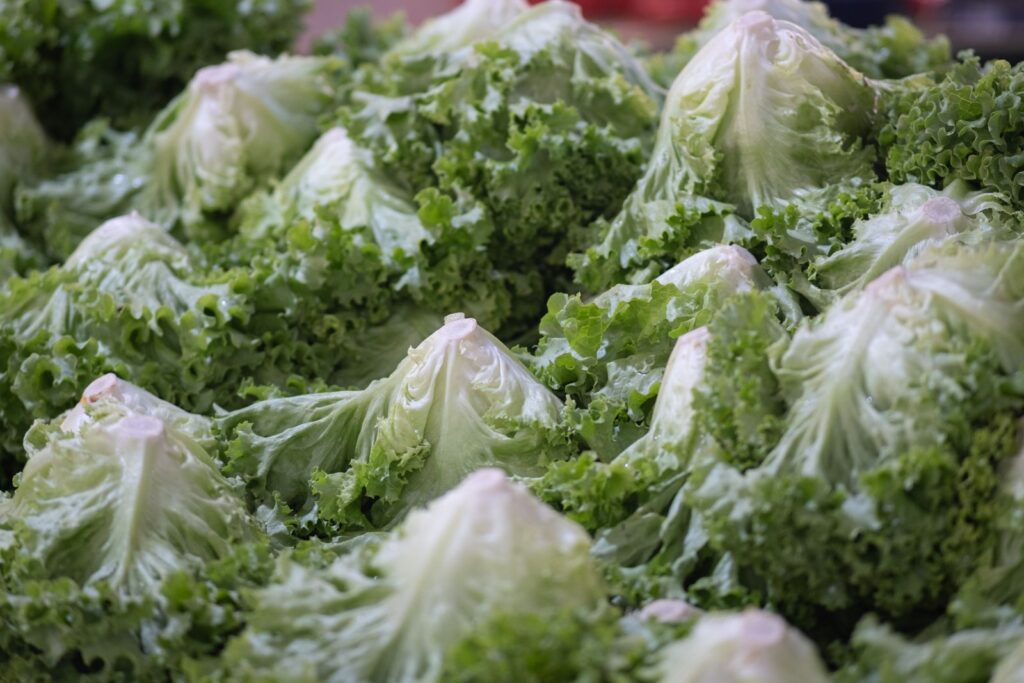
Federal and state health officials are racing to contain the largest Cyclospora outbreak in United States history, a foodborne parasite outbreak linked to iceberg lettuce from Mexico that has now claimed its first American lives. On Monday, August 3, 2026, Michigan health officials confirmed the first two U.S. deaths associated with the microscopic parasite Cyclospora cayetanensis.
First U.S. deaths confirmed in Cyclospora outbreak
The Michigan Department of Health and Human Services announced that two people in the state have died in the outbreak — the first fatalities ever recorded in the United States from this intestinal parasite. Both individuals had underlying health conditions that may have been worsened by severe diarrhea and dehydration. Officials declined to release further details about the cases.
While the CDC emphasizes that cyclosporiasis is rarely deadly, the deaths underscore how dangerous the infection can be for older adults, young children, and people with weakened immune systems or chronic illnesses.
How big is the 2026 Cyclospora outbreak?
The numbers are staggering and still climbing:
- 18,000+ confirmed or suspected cases known to the CDC — and state reports suggest the true figure already exceeds 20,000 nationwide
- 1,947 cases directly linked to iceberg lettuce served at Taco Bell locations across nine states, with at least 98 hospitalizations
- A Taylor Farms de Mexico recall issued July 17, 2026 covering all iceberg lettuce sourced from central Mexico, including Marketside brand lettuce sold at Walmart
- Recalled lettuce distributed to at least 27 states, reaching consumers, restaurants, and retailers
For comparison, the previous worst year on record was 2019, when roughly 4,700 cases were reported nationwide. This year’s surge has already dwarfed that figure several times over.
What is Cyclospora and how does it spread?
Cyclospora cayetanensis is a microscopic, single-celled parasite that infects the small intestine. It is spread through fecal contamination — typically when produce is irrigated with contaminated water or handled in unsanitary conditions. The parasite’s heat-loving nature means outbreaks are most common in late spring and summer.
Once on produce, the parasite’s protective shell (oocyst) clings stubbornly to leaves and crevices, which is why washing alone cannot reliably remove it. The current outbreak is centered on iceberg lettuce, but investigators warn other brands, restaurants, retailers, or distribution channels could also be implicated as the probe continues.
Cyclospora symptoms: what to watch for
Symptoms typically appear about one week after exposure, though the incubation period can range from two days to more than two weeks. Common signs include:
- Watery diarrhea — sometimes frequent and explosive
- Fatigue and weakness
- Loss of appetite and weight loss
- Abdominal cramping and bloating
- Nausea, low-grade fever, and body aches
Without treatment, symptoms can persist from a few days to a month or longer, often with a relapsing pattern where people feel better, then worse again.
When to see a doctor — and what to ask for
If you develop watery diarrhea lasting more than a few days — especially after eating recalled lettuce or produce in the affected states — contact your healthcare provider. Routine stool tests do not always screen for Cyclospora, so you may need to specifically request testing for the parasite.
Cyclosporiasis is treatable. Doctors typically prescribe antibiotics such as trimethoprim-sulfamethoxazole, and staying well-hydrated is critical to avoid the dehydration that contributed to this outbreak’s first fatalities.
What consumers should do right now
Public health officials recommend these practical steps:
- Do not eat recalled lettuce. Check your fridge for Taylor Farms de Mexico or Marketside iceberg lettuce and throw it out or return it
- Wash thoroughly any items or surfaces that touched the recalled lettuce with hot, soapy water or a dishwasher
- Rinse all fresh produce under running water before eating, cutting, or cooking — even “pre-washed” bags
- Consider cooking produce to at least 158°F (70°C), which kills the parasite — washing reduces but does not eliminate risk
- Wash your hands after handling raw produce and before eating
- Answer health officials’ calls if you become sick — their interviews about what you ate in the two weeks before symptoms help solve the outbreak
Why the mixed messaging matters
The outbreak has also created confusion for consumers and restaurants. Health officials’ evolving guidance and social media speculation have led some people to avoid lettuce entirely, while restaurants absorbing the fallout report steep sales declines. The reality is more nuanced: the recall targets specific suppliers, and most commercial lettuce from other sources has not been linked to the outbreak.
Frequently Asked Questions about the Cyclospora outbreak
What is Cyclospora?
Cyclospora cayetanensis is a microscopic parasite that causes cyclosporiasis, an intestinal infection marked by watery diarrhea. It spreads when people consume food or water contaminated with feces containing the parasite.
Is the Taco Bell lettuce safe now?
Taco Bell has removed the affected lettuce from its supply chain following the Taylor Farms de Mexico recall. However, the CDC advises staying updated on outbreak announcements, as other brands, restaurants, and retailers could still be linked to the outbreak as the investigation continues.
Does washing lettuce remove Cyclospora?
Thoroughly rinsing produce under running water reduces your risk but does not guarantee removal of the parasite, which clings to leaf surfaces. Cooking produce to at least 158°F (70°C) kills the parasite.
How long after eating contaminated food do symptoms start?
Symptoms usually begin about one week after infection, but the incubation period can range from two days to two weeks or longer.
How is cyclosporiasis treated?
Cyclosporiasis is treated with prescription antibiotics, typically trimethoprim-sulfamethoxazole. Staying hydrated is essential, especially for vulnerable individuals.
Who is most at risk of severe illness?
Older adults, young children, pregnant women, and people with weakened immune systems or underlying health conditions face the highest risk of severe dehydration and complications.
This article was compiled from public health information from the CDC, the FDA, state health departments, and wire reporting as of August 3, 2026. For the latest recall and outbreak information, visit cdc.gov/cyclosporiasis.

Medical Disclaimer
The information provided on this website is for general informational purposes only and is not intended as medical advice. Always consult with a qualified healthcare professional for medical advice, diagnosis, or treatment. Never disregard professional medical advice or delay in seeking it because of something you have read on this website.