
COVID Summer Surge 2026: Infections Rising in 47 States — What Is Driving the Wave
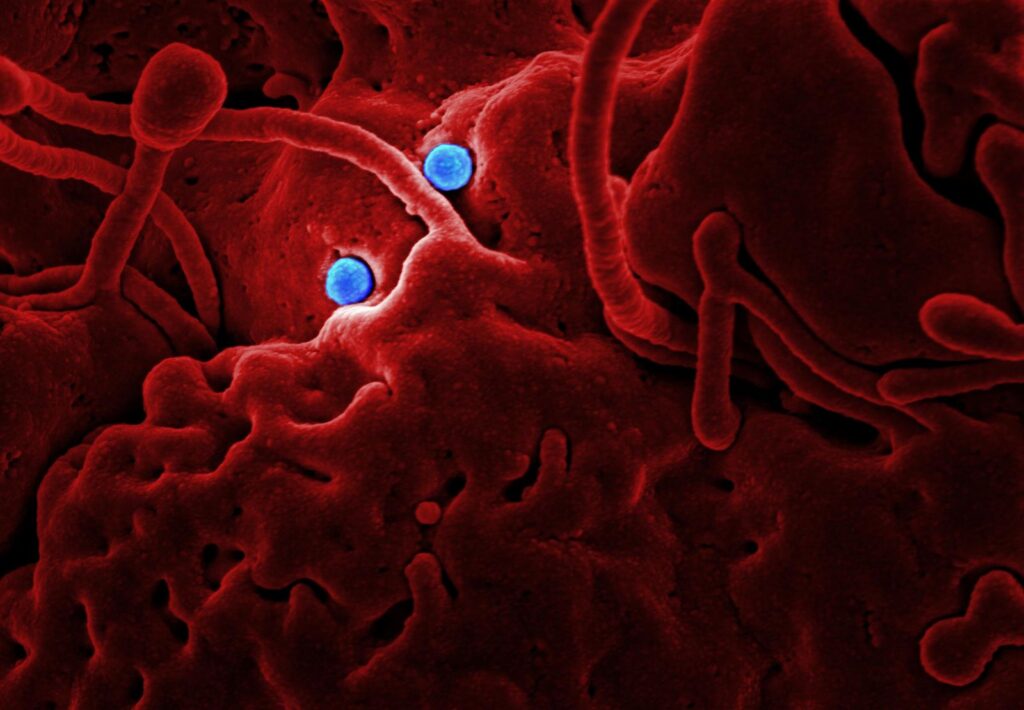
COVID-19 is surging again across the United States, with the CDC estimating that infections are growing or likely growing in 47 states. The 2026 summer wave — the latest in a now-predictable twice-yearly pattern of COVID surges — has pushed wastewater virus levels into the “high” category, with the South and West hit hardest. Here is what is driving the surge, what the data shows, and how to protect yourself.
What Is Happening With COVID Right Now?
COVID-19 has settled into a pattern that public health experts now describe as remarkably consistent: a summer wave beginning in early to mid-July and a winter wave later in the year. This year’s summer surge is well underway.
According to the CDC’s latest estimates, released August 19, 2026, infections were growing or likely growing in 47 states, declining in none, and flat in just two. The increase first became apparent in parts of the South and West during July, then spread nationwide by late July and early August.
Wastewater data paints the same picture. WastewaterSCAN, a Stanford University-led surveillance network, currently classifies COVID-19 activity as “high” and trending upward. August virus concentrations are up 105% compared with July — and levels have roughly doubled every month since June. In the West and South, concentrations have already surpassed the levels seen during the winter peak.
Why Does COVID Surge in the Summer?
Unlike flu and RSV, which are largely winter viruses, COVID-19 has never settled into a single annual season. Instead, it surges twice a year, and the drivers are a mix of behavior, environment, and viral evolution:
- Indoor gatherings in air conditioning: In hot weather, people retreat to cool, closed indoor spaces with limited ventilation — ideal conditions for airborne transmission.
- Back-to-school mixing: Late summer brings children back to classrooms, carrying germs between households and back home.
- Waning immunity: Protection from infection or vaccination fades over roughly six months, so people infected during the winter wave become vulnerable again by summer.
- Variant evolution: The virus mutates steadily, and new variants can partially dodge immunity built up against earlier strains, fueling breakthrough infections.
Dr. Michael Mina, chief medical officer at Invivyd and a former Harvard T.H. Chan School of Public Health professor, told USA TODAY the national pattern has been “practically identical” year after year: “Sometime in early July, or mid-July, you start to see an upswing, and then it really picks up speed.”
Who Is Most at Risk?
The summer wave typically brings milder illness for many people — especially those infected or vaccinated in recent months — but the risk is not evenly spread. Older adults, people with chronic conditions, pregnant women, and those who are immunocompromised remain at higher risk of severe disease, hospitalization, and long COVID. Dr. Andrew Handel, a pediatric infectious diseases specialist at Stony Brook Children’s Hospital, notes that waning immunity means a winter infection does not guarantee summer protection: six months later, reinfection tends to be less severe but is far from impossible.
How to Protect Yourself During the Summer Surge
Experts say the same layered protections that work in winter also work in summer:
- Stay up to date with recommended COVID-19 vaccines, particularly if you are 65+, immunocompromised, or have underlying conditions.
- Test if you have symptoms — rapid tests are still widely available and help you avoid spreading the virus to others.
- Stay home when sick and isolate until symptoms improve and fever resolves.
- Improve indoor air — use ventilation, open windows when possible, or run HEPA filters and air purifiers in shared spaces.
- Consider a well-fitted mask in crowded indoor settings, especially if you are high-risk or traveling.
- Seek treatment early if you are high-risk and test positive — antivirals work best when started within days of symptom onset.
What to Expect Next
Based on past seasons, the summer surge typically peaks in late August or September, then eases in the fall as people open windows and spend more time outdoors. However, Dr. Syra Madad, an infectious disease epidemiologist at Harvard’s Belfer Center and chief biopreparedness officer for New York City’s public hospitals, cautions that the virus remains unpredictable: “COVID-19 is rising nationally but from a low baseline” — a reminder that even a mild-looking wave can put strain on hospitals and vulnerable people.
Frequently Asked Questions
Is the 2026 summer COVID surge worse than last year?
Not yet. WastewaterSCAN reports that SARS-CoV-2 concentrations are still lower than at this time last year, but they are trending sharply upward, and the West and South have already surpassed their winter peak levels.
How many states are seeing COVID cases rise?
As of mid-August 2026, the CDC estimated infections were growing or likely growing in 47 states, with no states declining.
Should I get a COVID booster before traveling?
If you are high-risk or traveling to areas with high wastewater levels, experts recommend being up to date on vaccination and testing before and after travel. Masking in crowded indoor transit settings adds extra protection.
Can I catch COVID twice in one year?
Yes. Immunity wanes within about six months, so a winter infection does not guarantee summer protection. Reinfections are generally less severe but still carry risks, including long COVID.
What is wastewater surveillance and why does it matter?
Wastewater testing measures virus concentrations in sewage, providing an early, population-wide signal of infection trends — even among people who never test. Tools like WastewaterSCAN and CDC’s NWSS help experts track surges days before hospital data catches up.
Sources
This article draws on reporting from USA TODAY (August 22, 2026) and public data from the CDC and WastewaterSCAN. Figures cited were current as of August 19–22, 2026, and are subject to revision as surveillance data is updated.

Medical Disclaimer
The information provided on this website is for general informational purposes only and is not intended as medical advice. Always consult with a qualified healthcare professional for medical advice, diagnosis, or treatment. Never disregard professional medical advice or delay in seeking it because of something you have read on this website.