Measles Outbreak 2026: US Cases Pass 2,900 as Pennsylvania Reports First Deaths
The United States is in the middle of its worst measles outbreak in decades, with confirmed cases surpassing 2,900 in 2026 — and health officials in Pennsylvania have now reported the first measles-related deaths in the country this year. The surge, driven largely by falling MMR vaccination rates, has reignited urgent public health warnings about a disease that was declared eliminated in the U.S. in 2000.
As of August 27, 2026, the Centers for Disease Control and Prevention (CDC) has confirmed 2,903 measles cases in the United States in 2026, reported across 47 jurisdictions. That already exceeds the 2,289 cases recorded for the entire year of 2025, which itself was the highest annual total in nearly three decades.
First measles deaths in the U.S. in 2026 reported in Pennsylvania
On August 25, the Pennsylvania Department of Health reported that two people had died from measles — the first measles-related deaths in the United States in 2026 and the first in Pennsylvania in 35 years. Both patients were unvaccinated residents of Lancaster County. According to CNN, one of the two victims was an infant.
The Lancaster County outbreak — the epicenter of the national surge — has now infected more than 390 people, hospitalized at least 70, and sickened a large number of children. CDC notes it is still reviewing the circumstances of the two deaths, but the cases mark a grim milestone in the outbreak.
Outbreak numbers: how bad is the 2026 measles surge?
The CDC’s latest national data paints a stark picture:
- 2,903 confirmed measles cases in 2026 as of August 27 — already more than all of 2025
- 37 new outbreaks (clusters of 3 or more related cases) reported in 2026
- 94% of cases are outbreak-associated, meaning the virus is spreading within communities
- Cases confirmed in 47 jurisdictions, from coast to coast
- 2025 closed with 2,289 cases, 48 outbreaks, and 3 deaths — a dramatic jump from just 285 cases in 2024
For comparison, the U.S. saw only 285 measles cases in all of 2024. The 2026 total is on track to be the highest in a single year since 1992, when more than 2,200 cases were recorded before the modern vaccine era’s gains took full hold.
Why is measles spreading again? Falling MMR vaccination rates
Public health experts point to one dominant factor: declining vaccination coverage. Measles was declared eliminated in the United States in 2000 thanks to the highly effective measles, mumps, and rubella (MMR) vaccine, which requires roughly 95% community coverage to maintain herd immunity.
That threshold is no longer being met:
- MMR coverage among U.S. kindergartners fell from 95.2% in 2019–2020 to 92.4% in 2025–2026
- An estimated 280,000 kindergartners entered the 2025–2026 school year unprotected
- Pockets of under-vaccinated communities allow measles to take hold and spread rapidly
Measles is one of the most contagious viruses known — a single infected person can infect up to 9 out of 10 susceptible people around them, and the virus can linger in the air for up to two hours after an infected person leaves a room.
Measles symptoms and complications
Measles typically begins with a high fever, cough, runny nose, and red, watery eyes, followed by a characteristic blotchy rash that spreads from the face down the body. Symptoms usually appear 7 to 14 days after exposure.
The disease is not just an uncomfortable childhood illness. Complications are serious and common:
- Nearly 1 in 5 people with measles ends up hospitalized
- About 1 to 3 in every 1,000 cases are fatal, with infants and young children at highest risk
- Common complications include pneumonia (the most frequent cause of measles death), ear infections, and severe diarrhea
- Rare but devastating outcomes include encephalitis (brain swelling) and subacute sclerosing panencephalitis, a fatal brain condition that can appear years later
How to protect yourself and your family
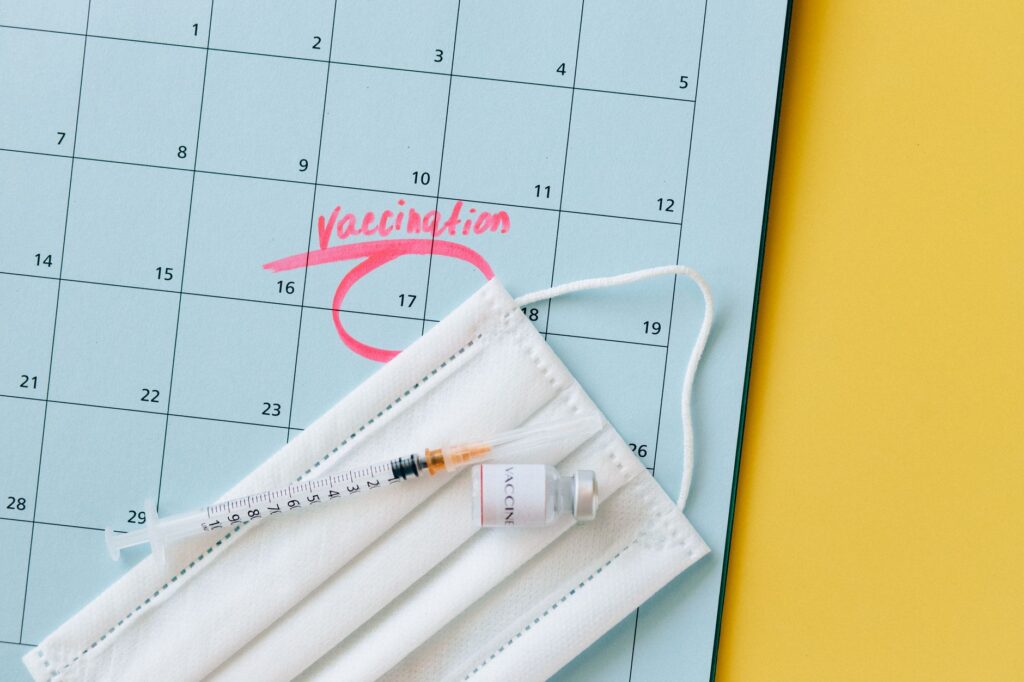
The MMR vaccine is safe, highly effective, and the cornerstone of measles prevention:
- Children should receive two doses: the first at 12–15 months and the second at 4–6 years
- Two doses of MMR are about 97% effective at preventing measles; one dose is about 93% effective
- Adults born after 1957 who have not been vaccinated or had measles should receive at least one dose; those at higher risk (healthcare workers, international travelers, students) should have two
- Travelers heading to areas with active outbreaks should ensure they are fully vaccinated before departure
- If you suspect measles, call ahead before visiting a clinic or emergency room so staff can isolate you and prevent further spread
Health officials also urge parents planning travel or enrolling children in school to check vaccination records now. With outbreaks active in dozens of communities, the window to catch up on missed doses is narrow.
Frequently Asked Questions
How many measles cases are there in the US in 2026?
As of August 27, 2026, the CDC has confirmed 2,903 measles cases across 47 U.S. jurisdictions — the highest annual total since the early 1990s, surpassing the 2,289 cases recorded in all of 2025.
Where is the measles outbreak worst in 2026?
Pennsylvania’s Lancaster County has been the epicenter, with more than 390 infections, at least 70 hospitalizations, and the first two measles-related deaths in the U.S. in 2026. However, cases have been confirmed in 47 states and jurisdictions nationwide.
Who is most at risk from measles?
Unvaccinated infants, young children, pregnant women, and immunocompromised individuals face the highest risk of severe complications. About 1 in 5 measles cases require hospitalization, and 1 to 3 per 1,000 cases are fatal.
Is the MMR vaccine still effective against measles?
Yes. Two doses of the MMR vaccine are about 97% effective at preventing measles, and protection lasts for decades. The current outbreak is driven by falling vaccination coverage — now at 92.4% among U.S. kindergartners, below the roughly 95% needed for herd immunity.
What should I do if I think I have measles?
Contact your healthcare provider by phone immediately and avoid public spaces. Do not sit in a waiting room without warning staff — measles is airborne and extremely contagious. Your doctor can arrange testing and isolation guidance.
Bottom line
The 2026 measles outbreak is a wake-up call. A disease once eliminated in the United States is now spreading unchecked through under-vaccinated communities, causing hundreds of hospitalizations and the first U.S. measles deaths since 2025. The CDC and state health departments are urging everyone to verify their MMR vaccination status, catch up on missed doses, and protect the youngest and most vulnerable before this outbreak grows further.
Sources: CDC Measles Cases and Outbreaks data (updated August 30, 2026); Pennsylvania Department of Health; CNN; Reuters; USA Today; The New York Times; Johns Hopkins International Vaccine Access Center.

Medical Disclaimer
The information provided on this website is for general informational purposes only and is not intended as medical advice. Always consult with a qualified healthcare professional for medical advice, diagnosis, or treatment. Never disregard professional medical advice or delay in seeking it because of something you have read on this website.