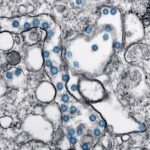
Measles Deaths Reach Historic Low, But Vaccination Gaps Threaten Progress
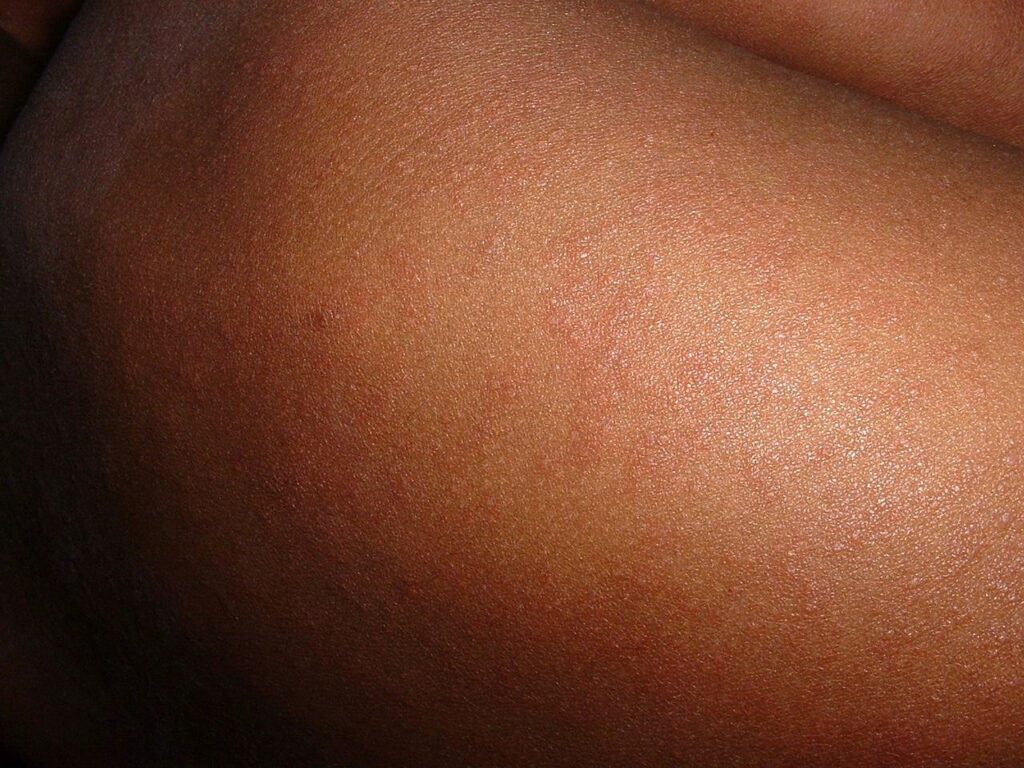
Measles Deaths Reach Historic Low, But Gaps in Vaccination Coverage Threaten Progress
Global measles deaths have fallen to their lowest level in history, the World Health Organization (WHO) announced in a new report. In 2025, an estimated 72,000 people died from measles worldwide, representing a 91 percent reduction since 2000. Measles vaccination has saved more than 60 million lives over the past 25 years.
However, the WHO warned that vaccination coverage is still not high or consistent enough in many countries. This puts the hard-won progress toward eliminating the disease at serious risk.
The State of Measles Globally
Nearly 10 million people were infected with measles in 2025. While this is among the lowest estimated levels ever recorded, the trends vary sharply by region. In the Region of the Americas, case numbers increased eight-fold since 2000, with 73,000 people infected in 2025 alone. Nearly half of all global cases occurred in the South-East Asia region.
Globally, 84 percent of children received a first dose of the measles vaccine in 2025, and 77 percent received a second dose. These rates have remained largely unchanged, but the global averages hide serious regional and national declines.
Unequal Access Leaves Children Vulnerable
Low-income countries reported first-dose coverage of just 69 percent and second-dose coverage of only 57 percent. In contrast, high-income countries achieved 93 percent and 91 percent respectively. Children living in conflict and crisis settings are also far less likely to be vaccinated and bear a disproportionate share of measles outbreaks.
More than 29 million children were either completely unvaccinated or under-immunized against measles in 2025. That same year, 59 countries experienced large or disruptive measles outbreaks, including 18 low-income countries, 34 middle-income countries, and seven high-income countries. Alarmingly, eleven of these outbreaks occurred in countries that had previously been declared measles-free.
“Measles deaths have never been lower, thanks to the extraordinary life-saving power of vaccines,” said Dr Tedros Adhanom Ghebreyesus, WHO Director-General. “But measles does not forgive complacency. Countries that had eliminated it are now losing that status. Elimination is not a finish line. It must be defended, with two doses of vaccine for every child, everywhere.”
The Consequences of Measles Infection
Measles is far from a mild illness. Even in children with good nutrition and access to health care, the infection can cause severe and lifelong complications. These include blindness, pneumonia, and encephalitis, an inflammation of the brain that can cause permanent brain damage and death.
By the end of 2025, 95 countries had been verified as having achieved or maintained measles elimination. But recent losses of elimination status in several countries show that elimination is not a permanent achievement. Without consistently high vaccination coverage in every community, strong disease surveillance systems, and sustained political commitment, the virus can quickly regain a foothold.
The Americas region has seen immunization coverage drop from levels above 90 percent before the COVID-19 pandemic. Several countries in the European Region also recorded some of the lowest measles immunization coverage rates, despite the regional average for first-dose coverage remaining high at 92 percent.
What Needs to Happen Now
The Measles and Rubella Partnership, a global initiative led by organizations including the WHO, UNICEF, the CDC, the Gates Foundation, and Gavi the Vaccine Alliance, is working with governments worldwide to strengthen political commitment to measles elimination. The partnership focuses on investing in stronger surveillance and routine immunization systems, enhancing outbreak response capacity including through its Outbreak Response Fund, and building community trust in measles vaccination.
The key message from the WHO is clear: reaching every child with two doses of the measles vaccine is the only way to end measles outbreaks permanently. The historic low in deaths proves that vaccines work. The challenge now is sustaining the political will and funding to reach the children who are still being missed.
Frequently Asked Questions
How many people still die from measles each year?
According to the WHO, an estimated 72,000 people died from measles worldwide in 2025. While this is a historic low, it means nearly 200 people are still dying from a vaccine-preventable disease every day.
Is measles really dangerous?
Yes. Measles can cause blindness, pneumonia, and encephalitis (brain swelling that can lead to permanent brain damage). Complications can be severe even in healthy children with good access to medical care.
How effective is the measles vaccine?
The measles vaccine is extremely effective. One dose provides 93 percent protection, and two doses provides 97 percent protection. Since 2000, measles vaccination has saved more than 60 million lives.
Why are measles cases increasing in some regions?
The main driver is declining vaccination coverage. The Americas region saw immunization rates drop from above 90 percent before the COVID-19 pandemic, and several countries have lost their measles elimination status. When vaccination rates fall, the virus spreads quickly through unvaccinated communities.
How many children are missing their measles vaccines?
The WHO estimates that 29 million children were unvaccinated or under-immunized against measles in 2025. Of those, 20.8 million infants missed their first dose entirely.
Source: World Health Organization, “Historic low in measles deaths, but immunization gaps threaten progress,” 27 November 2026.

Medical Disclaimer
The information provided on this website is for general informational purposes only and is not intended as medical advice. Always consult with a qualified healthcare professional for medical advice, diagnosis, or treatment. Never disregard professional medical advice or delay in seeking it because of something you have read on this website.