
Measles Deaths at Historic Low, but Immunization Gaps Threaten Progress
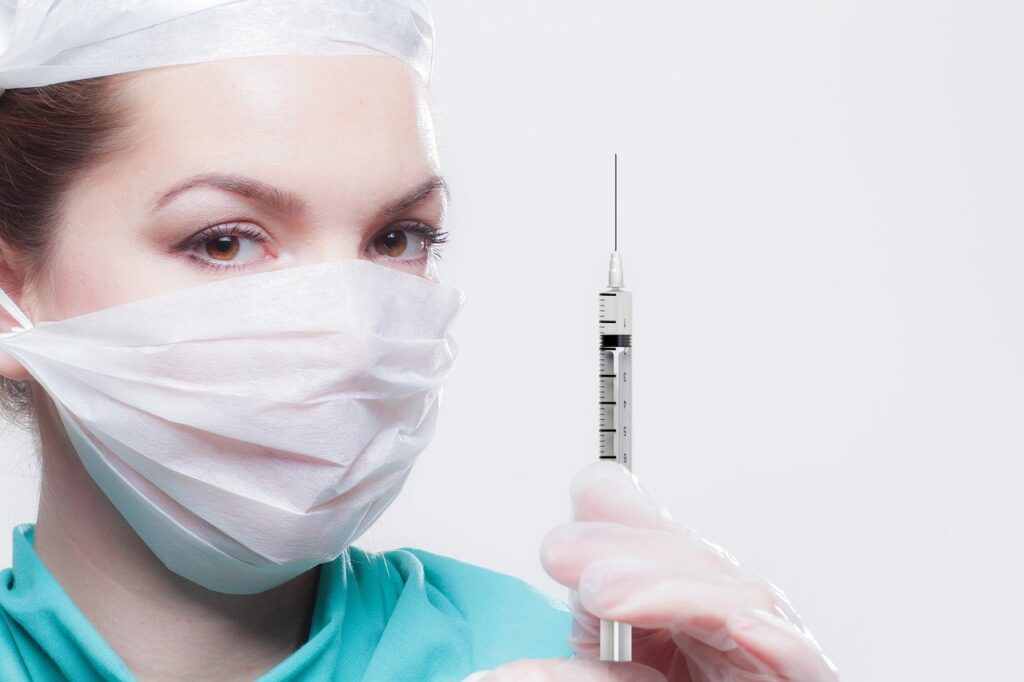
Measles deaths worldwide have fallen to the lowest level ever recorded, marking a major victory for global vaccination efforts. In 2025, an estimated 72,000 people died from measles, a 91% reduction from the year 2000, when approximately 770,000 deaths were reported. The World Health Organization (WHO) released these findings in a report published on 27 November 2026, celebrating the historic milestone while warning that gaps in immunization coverage threaten to reverse this progress.
Measles is one of the most contagious infectious diseases known. It spreads through coughing, sneezing, and close contact with infected individuals. The virus can linger in the air for up to two hours after an infected person leaves a room. For every one person infected, up to 90% of those nearby who are not immune will also catch it. This makes high vaccination coverage essential to preventing outbreaks.
“Measles deaths have never been lower, thanks to the extraordinary life-saving power of vaccines,” said Dr Tedros Adhanom Ghebreyesus, WHO Director-General. “But measles does not forgive complacency. Countries that had eliminated it are now losing that status. Elimination is not a finish line. It must be defended, with two doses of vaccine for every child, everywhere.”
The Remarkable Decline in Measles Deaths
The WHO report estimates that measles vaccination has saved more than 60 million lives since 2000. This achievement represents one of the most successful public health campaigns in history. The key driver has been the expansion of routine immunization programmes, supported by organizations such as the Measles and Rubella Partnership, Gavi the Vaccine Alliance, UNICEF, and national health ministries worldwide.
Nearly 10 million people were estimated to have been infected with measles in 2025. While this is among the lowest levels ever recorded, the trends vary substantially by region. In the Region of the Americas, case numbers increased eight-fold since 2000, with 73,000 people infected in 2025. Nearly half of all global measles cases occurred in the South-East Asia Region, highlighting persistent geographic disparities.
Immunisation Gaps Threaten Progress
Global measles immunization coverage remained largely unchanged in 2025, with 84% of children receiving a first dose and 77% receiving a second dose. However, these global figures mask significant regional and national declines. The Region of the Americas has seen immunization coverage fall from levels above 90% before the COVID-19 pandemic, and several countries have lost their measles elimination status.
The situation is most concerning in low-income countries, which reported coverage of just 69% for the first dose and 57% for the second dose. This compares with 93% and 91% respectively in high-income countries. Children living in conflict zones and crisis settings remain far less likely to be vaccinated, and they bear a disproportionate burden of measles outbreaks.
More than 29 million children were unvaccinated or under-immunized against measles in 2025, leaving them vulnerable to the disease. That year, 59 countries experienced large or disruptive measles outbreaks, including 18 low-income countries, 34 middle-income countries, and seven high-income countries. Eleven of these outbreaks occurred in countries that had previously been declared measles-free.
Why Two Doses Matter
The measles vaccine is highly effective, but one dose is not enough to provide full protection. The WHO recommends two doses of the measles-containing vaccine for every child. The first dose, typically given at 12 to 15 months of age, provides immunity in approximately 93% of recipients. The second dose, given at 4 to 6 years of age, raises protection to approximately 97% and helps close gaps among those who did not respond fully to the first dose.
When vaccination coverage drops below 95% with two doses, herd immunity weakens, and measles outbreaks become more likely. This is why the recent declines in coverage in the Americas and parts of Europe are so alarming. Even countries with historically strong immunization programmes are seeing measles return as vaccine hesitancy, logistical challenges, and health system disruptions take their toll.
In the European Region, several countries recorded some of their lowest measles immunization coverage rates, despite the overall regional coverage for the first dose remaining high at 92%. These local gaps are where outbreaks start, and they can spread quickly across borders in an interconnected world.
What Needs to Happen Next
The WHO and its partners are calling for renewed commitment to measles elimination. Key priorities include strengthening routine immunization systems in every country, reaching zero-dose children in underserved communities, and investing in disease surveillance to detect and respond to outbreaks quickly. The Pandemic Agreement being negotiated by WHO member states also offers an opportunity to build stronger health systems that can maintain essential services during crises.
For individuals and families, the message is clear: check your vaccination status and ensure that every child receives two doses of the measles vaccine. Measles is preventable, and the tools to stop it are safe, effective, and widely available. The historic low in deaths proves that progress is possible, but that progress must be actively defended.
Frequently Asked Questions
How does measles spread?
Measles spreads through coughing, sneezing, and close contact with infected people. The virus can remain in the air for up to two hours after an infected person leaves a space. It is one of the most contagious infectious diseases known.
Who is most at risk from measles?
Children under five years old, adults over 20, pregnant people, and those with weakened immune systems are at highest risk of severe complications. Unvaccinated children account for the majority of measles deaths worldwide.
Can adults get measles?
Yes. Anyone who is not vaccinated or who has not had measles before can catch it. Adults who were born after 1970 and who have not had two doses of the MMR vaccine should check with their healthcare provider.
What are the complications of measles?
Complications include severe diarrhea, ear infections leading to permanent hearing loss, pneumonia, encephalitis (brain swelling), and death. One in every 20 children with measles gets pneumonia, and one in every 1,000 develops encephalitis.
Is the measles vaccine safe?
Yes. The measles vaccine has been used for over 50 years and is one of the safest vaccines ever developed. Serious side effects are extremely rare. The vaccine does not cause autism — this myth has been thoroughly debunked by decades of research.
Source: World Health Organization. “Historic low in measles deaths, but immunization gaps threaten progress.” 27 November 2026. Available at: www.who.int/news-room/headlines

Medical Disclaimer
The information provided on this website is for general informational purposes only and is not intended as medical advice. Always consult with a qualified healthcare professional for medical advice, diagnosis, or treatment. Never disregard professional medical advice or delay in seeking it because of something you have read on this website.