Hidden Driving Danger: Cannabis Edibles and Alcohol Mix Causes Severe Impairment, Study Warns
Key Takeaways
- Combining cannabis edibles with alcohol caused 43% more lane deviations than alcohol alone
- Brake reaction time increased by 58% with combined use
- Impairment lasted up to 6 hours — far longer than alcohol alone (2-3 hours)
- Standard roadside sobriety tests failed to reliably detect combined impairment
- Experts call for new testing technologies and updated public education
Combining cannabis edibles and alcohol produces driving impairment that is significantly more severe and longer-lasting than either substance alone, according to a new study from Johns Hopkins University School of Medicine.
Published in JAMA Network Open on May 29, 2026, the study found that the combined effect of THC (the psychoactive compound in cannabis) and alcohol impaired driving performance beyond the legal blood alcohol concentration limit — yet standard roadside tests were unable to reliably detect the impairment.
The Study Methodology
Researchers at Johns Hopkins conducted a controlled experiment in which participants were given:
- A cannabis edible containing a standard dose of THC
- An alcoholic beverage adjusted to produce a moderate blood alcohol level
- Both substances together in separate sessions
Driving performance was evaluated using a validated driving simulator that measured lane weaving, brake reaction time, speed maintenance, and attention to road hazards. Field sobriety tests were also administered.
Alarming Results
- Participants who combined cannabis edibles and alcohol showed 43% more lane deviations than with alcohol alone
- Brake reaction time increased by 58% compared to either substance alone
- Impairment lasted significantly longer — up to 6 hours after consumption — compared to 2-3 hours for alcohol alone
- Standard field sobriety tests failed to identify combined impairment in many cases
- Participants self-reported feeling significantly more intoxicated than objective measures captured
A Dangerous Gap in Testing
One of the most concerning findings is the gap between actual impairment and what standard roadside tests can detect. While alcohol can be measured with a breathalyzer, and THC can be detected in blood or saliva, there is no reliable roadside test for combined impairment.
“Our findings indicate that co-use of cannabis and alcohol produces significantly greater driving impairment and subjective intoxication than either substance alone,” said Dr. Austin Zamarripa, lead author of the study and Assistant Professor at Johns Hopkins.
“Someone who has consumed both may be severely impaired yet pass a standard breathalyzer test because their blood alcohol concentration alone is below the legal limit.”
Growing Concern
As cannabis legalization expands across the United States and internationally, the combined use of cannabis and alcohol has become more common — particularly with cannabis edibles, which have a delayed onset of effects that can lead users to consume more than intended.
Edibles also produce a different metabolic profile than smoked cannabis, with THC being converted to a more potent form in the liver, potentially amplifying the interaction with alcohol.
Public Health Implications
Traffic safety experts are calling for updated public education campaigns specifically addressing the dangers of combining cannabis and alcohol before driving. Some are also advocating for:
- Development of new roadside testing technologies capable of detecting combined impairment
- Updated legal standards that account for polysubstance impairment
- Enhanced warning labels on both cannabis edibles and alcoholic beverages
- Training for law enforcement officers in recognizing signs of combined impairment
“We need the public to understand that having ‘just a drink’ with a cannabis edible is not safe if you plan to drive,” said Zamarripa. “The impairment is real, it’s significant, and current testing methods are missing it.”
Frequently Asked Questions
How do cannabis edibles and alcohol affect driving?
Combining the two substances causes significantly more lane weaving (43% more), slower brake reaction time (58% slower), and longer-lasting impairment (up to 6 hours) compared to either substance alone. The effects are much worse than the sum of their individual effects.
Can police detect cannabis and alcohol impairment?
Standard roadside sobriety tests and breathalyzers often fail to detect combined impairment. While alcohol can be measured with a breathalyzer and THC can be found in blood or saliva, there is currently no reliable roadside test for combined cannabis and alcohol impairment.
How long does impairment last after taking cannabis edibles and alcohol?
The Johns Hopkins study found impairment lasted up to 6 hours after consumption, compared to 2-3 hours for alcohol alone. The delayed onset of edibles can also lead users to consume more than intended, prolonging the impairment.
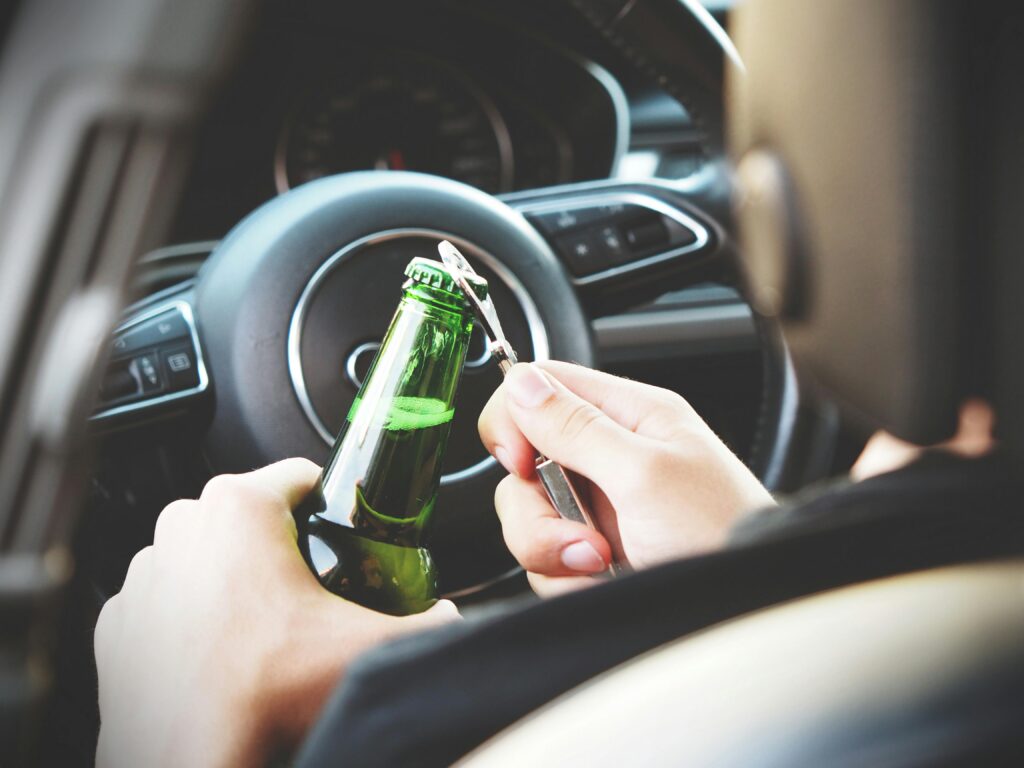
Image credit: energepic.com / Pexels

Medical Disclaimer
The information provided on this website is for general informational purposes only and is not intended as medical advice. Always consult with a qualified healthcare professional for medical advice, diagnosis, or treatment. Never disregard professional medical advice or delay in seeking it because of something you have read on this website.