
Cyclospora Outbreak 2026: 45 States, 18,000 Cases — What You Need to Know
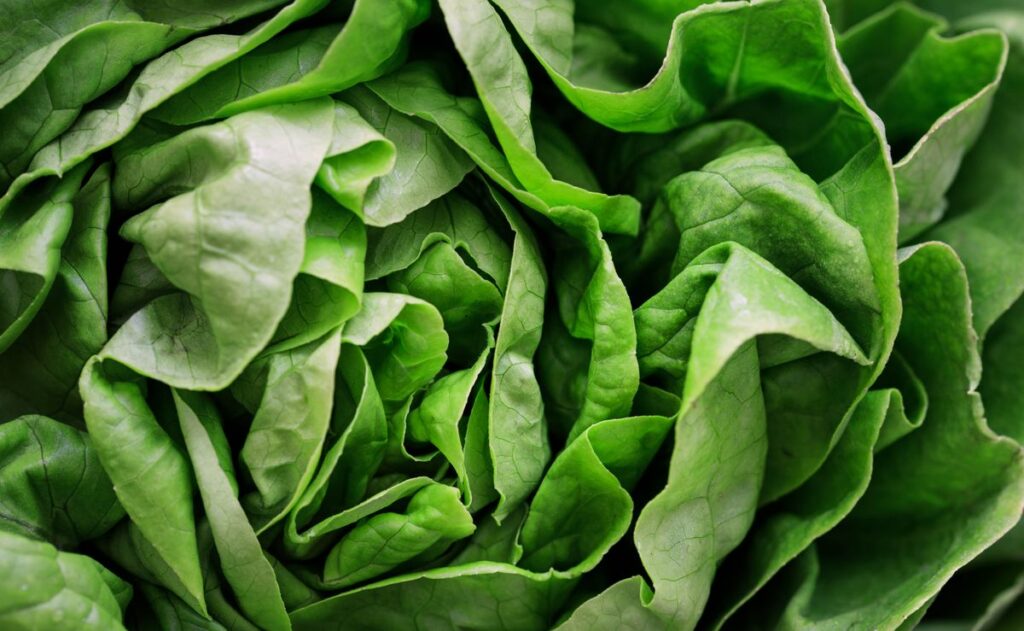
Public health officials are racing to contain the largest cyclosporiasis outbreak the United States has seen in years. Since May 1, 2026, an estimated 18,000 people across 45 states have fallen ill with cyclospora, a microscopic parasite that causes severe intestinal distress — and for the first time in this surge, two deaths have been reported in Michigan.
This cyclospora outbreak has triggered a CDC health alert, a national lettuce recall, and investigations into multiple food sources. Here is what you need to know to protect yourself and your family.
What Is Cyclospora?
Cyclospora (Cyclospora cayetanensis) is a microscopic, single-celled parasite that infects the small intestine. It is spread when people consume food or water contaminated with microscopic amounts of feces from an infected person. The parasite is invisible to the naked eye and cannot be washed off by simply rinsing produce under a tap.
Cyclospora is not new — cases spike every summer in the United States — but 2026 is different. The current surge is dramatically larger than a typical season, which normally sees fewer than 4,000 cases nationwide in a full year.
2026 Cyclospora Outbreak: The Numbers
The outbreak is unfolding fast, and the figures are still climbing:
- ~18,000 estimated cases across 45 states since May 1, 2026
- 10,468 laboratory-confirmed domestic cases reported to the CDC as of early August
- More than 12,255 additional cases under investigation or not yet laboratory-confirmed
- 423+ hospitalizations so far
- 2 deaths in Michigan — the first tied to this surge; both individuals had significant underlying health conditions
Because there is a lag of up to six weeks between when people get sick and when cases are reported, health officials warn the true totals are likely higher and will keep rising through August.
Where Are Cases Concentrated?
Michigan is bearing the brunt of the outbreak, with more than 11,200 cases and 193 hospitalizations as of early August. Ohio has reported over 4,000 cases, Indiana nearly 1,350, and Missouri more than 1,000. North Carolina is approaching 750, while New York and Illinois have each surpassed 500.
The largest cluster spans nine states — Indiana, Kentucky, Ohio, Michigan, West Virginia, Illinois, Kansas, Oklahoma, and Pennsylvania — and is linked to shredded iceberg lettuce. Investigators are also examining fresh parsley and cilantro as possible sources in other states.
What Food Is Linked to the Outbreak?
The CDC and FDA have identified one confirmed source: shredded iceberg lettuce served at Taco Bell and supplied by Taylor Farms. Health officials interviewed more than 1,900 people who fell ill in the nine-state cluster, and a large share reported eating at Taco Bell in June or July.
On July 17, 2026, Taylor Farms issued a voluntary recall of iceberg lettuce sourced from central Mexico. Taco Bell removed all affected lettuce from its supply chain. Some recalled products also reached Walmart, sold under the Marketside brand:
- Marketside Iceberg Salad (12 oz. and 24 oz.)
- Marketside Shredded Lettuce (8 oz. and 16 oz.)
- Best if used by dates July 18 through August 3, 2026
The recall covers products distributed to 27 states. Officials caution that additional brands, restaurants, and retail channels may still be identified as the investigation continues.
Symptoms of Cyclosporiasis
Symptoms usually appear about one week after exposure, though the incubation period can stretch to 14 days. The hallmark sign is watery diarrhea — sometimes described as explosive — that can last for weeks if untreated. Other common symptoms include:
- Abdominal cramping and bloating
- Loss of appetite and weight loss
- Nausea, vomiting, and fatigue
- Low-grade fever and muscle aches
Anyone with prolonged diarrhea — especially after eating recalled lettuce — should see a doctor and mention possible cyclospora exposure. The infection is confirmed with a stool test and is treatable.
Treatment and Recovery
Cyclosporiasis is treated with a combination antibiotic, usually trimethoprim-sulfamethoxazole, alongside plenty of fluids to prevent dehydration. Most people recover fully within a few days of starting treatment, though symptoms can return in some cases. While unpleasant, cyclosporiasis is rarely life-threatening in healthy people; the two Michigan deaths involved patients with serious underlying conditions.
One important note: cyclospora does not spread directly from person to person. After the parasite is shed in stool, it needs one to two weeks outside the body to become infectious, which is why contaminated food and water — not casual contact — drive transmission.
How to Protect Yourself
There is no vaccine for cyclospora, so prevention is entirely about what you eat and drink:
- Do not eat recalled lettuce. Check bags for the Marketside labels and best-by dates listed above, and dispose of any recalled product.
- Ask about lettuce at restaurants. If a dish includes iceberg lettuce, ask where it came from — or choose a cooked option.
- Cook produce thoroughly. Heating food to at least 158°F kills the parasite.
- Wash all produce under running water and scrub firm-skinned items, though washing reduces but does not eliminate risk.
- Drink safe water and wash hands after using the bathroom and before handling food.
Experts stress there is no reason to panic or abandon fresh produce. The vast majority of fruits and vegetables on the market are not connected to this outbreak, and a healthy diet still matters.
Frequently Asked Questions
Is cyclospora the same as food poisoning?
Not exactly. Cyclospora is a parasitic infection, not a bacterial one. It causes similar symptoms to food poisoning, but it requires specific antibiotic treatment and can linger for weeks without it.
Can I get cyclospora from another person?
Direct person-to-person spread is very unlikely. The parasite must spend one to two weeks outside the body before it becomes infectious, so transmission happens almost exclusively through contaminated food or water.
How long does it take to get sick after eating contaminated food?
Symptoms typically begin about one week after exposure, but the incubation period can be as long as 14 days. That long delay is one reason outbreak investigations are so difficult.
Should I stop eating lettuce and salad?
No. Only recalled products are known to be risky. Check your fridge for recalled Marketside and Taylor Farms items, and feel free to enjoy other produce — just wash it well and keep an eye on recall alerts.
When will this outbreak end?
Cyclospora season runs from May through August. Cases typically decline as the weather cools, but officials expect counts to keep climbing for several more weeks as delayed reports come in. Monitoring recall notices and CDC updates is the best way to stay informed.
Bottom Line
The 2026 cyclospora outbreak is a serious public health event — the largest in recent memory — with cases in 45 states, hundreds of hospitalizations, and the first deaths. The source identified so far is shredded iceberg lettuce from central Mexico, and the investigation is ongoing.
Check your kitchen for recalled lettuce, ask about ingredients when eating out, and see a doctor promptly if you develop watery diarrhea that lasts more than a few days. Simple precautions go a long way while health officials work to stop the spread.

Medical Disclaimer
The information provided on this website is for general informational purposes only and is not intended as medical advice. Always consult with a qualified healthcare professional for medical advice, diagnosis, or treatment. Never disregard professional medical advice or delay in seeking it because of something you have read on this website.