
DR Congo Bans Mass Gatherings as Ebola Outbreak Intensifies — No Vaccine Available for Circulating Strain
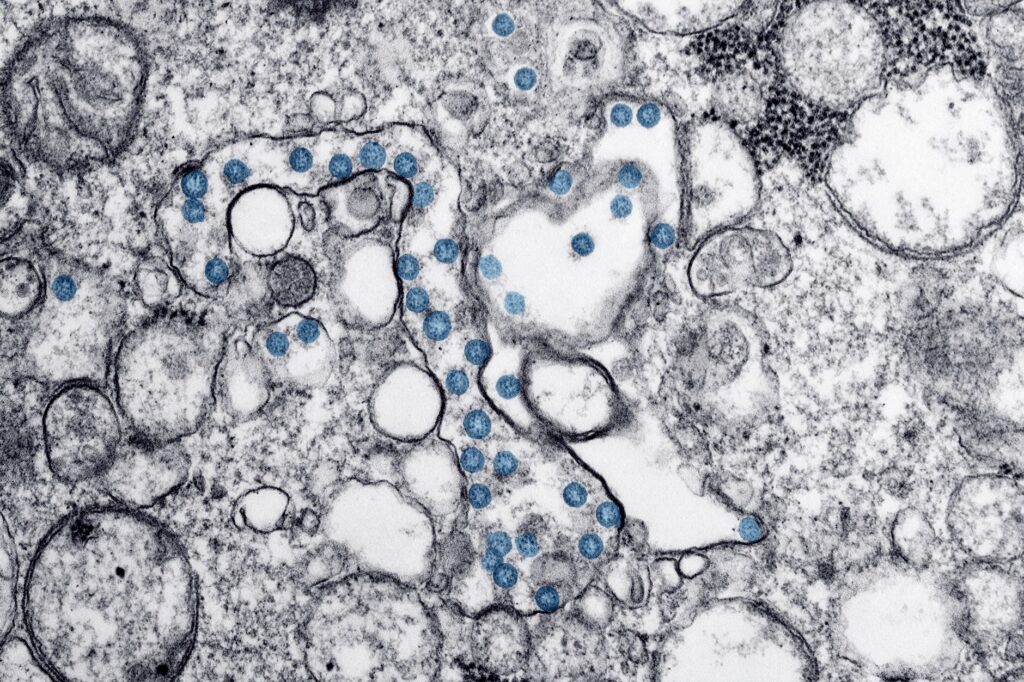
DR Congo Declares Mass Gathering Ban as Ebola Outbreak Intensifies
The Democratic Republic of Congo has imposed a sweeping ban on mass gatherings in Kinshasa and three additional provinces as the country grapples with one of its most serious Ebola outbreaks in recent years. With 1,274 confirmed infections and 360 deaths reported, health authorities are racing to contain the spread of the deadly virus amid challenging political and security conditions.
Current Outbreak Situation
According to the DR Congo Ministry of Health, the Ebola outbreak is currently concentrated in three eastern provinces: Ituri, North Kivu, and South Kivu. Ituri remains the hardest-hit region, accounting for more than 90 per cent of all confirmed infections. The outbreak has now spread significantly, with cases jumping by 47 in a single day, prompting the government to escalate its response measures.
Interior Minister Jacquemain Shabani issued the directive on Saturday, banning mass gatherings in Kinshasa — a city of 18 million people — as well as in Tshopo, Haut-Uele, and Bas-Uele provinces. These three provinces border the areas where Ebola has been confirmed, raising concerns about further geographical spread.
Bundibugyo Virus: A Strain Without a Vaccine
This outbreak is caused by the Bundibugyo virus species (BDBV), one of three Orthoebolaviruses known to cause large outbreaks in humans. Unlike the more well-known Ebola virus (EBOV), for which licensed vaccines such as Ervebo and treatments including monoclonal antibodies exist, there is currently no approved vaccine or specific treatment for Bundibugyo virus disease.
This critical gap in the medical arsenal makes the current outbreak particularly dangerous. According to the World Health Organization, the case fatality rate for Ebola disease averages around 50 per cent, though rates have varied from 25 to 90 per cent in past outbreaks depending on the virus species and quality of supportive care.
The WHO notes that several candidate vaccines for Sudan and Bundibugyo viruses are at different stages of development, but none have yet received regulatory approval. This situation underscores the urgent need for broader-spectrum Ebola countermeasures.
Regional Spread: Uganda Reports Cases
The outbreak has already crossed international borders. Uganda has confirmed 20 Ebola infections and two deaths, according to the WHO. The Ugandan government has responded by hosting regional meetings to boost preparedness and strengthen cross-border surveillance.
On 27 June, the WHO Africa regional office and the Africa Centres for Disease Control and Prevention launched a Continental Incident Management Support Team to strengthen coordination for the Ebola outbreak response. This joint initiative aims to harmonise surveillance, laboratory diagnostics, case management, and community engagement across affected and at-risk countries.
Drug Trials Offer Hope
In a potentially significant development, the head of the Africa Centres for Disease Control and Prevention told the BBC’s Newsday programme that trials for new antiviral drugs could begin as early as this week. These trials would target the Bundibugyo virus species specifically, offering the first real prospect of a treatment for patients infected with this strain.
The WHO has already established a CORE (Core Outcome Research in Ebola) protocol for clinical trials, providing a framework for the rapid evaluation of candidate treatments. Several experimental therapeutics are in the pipeline, and the Africa CDC’s announcement signals that evaluation efforts are accelerating.
Political Tensions Complicate Response
The mass gathering ban has sparked political controversy in DR Congo. Prominent opposition figures have accused the government of using the outbreak as a pretext to suppress a planned protest march scheduled for 8 July. Prince Epenge, spokesperson for the opposition Lamuka coalition, called the decision “political,” noting that no cases have been confirmed in Kinshasa.
Rodrigue Ramazani, secretary-general of the opposition party Envol, urged protesters to ignore the ban, saying the directive “reeks of a political manoeuvre rather than a public health measure.” The government has not responded to these criticisms.
The controversy highlights the delicate balance governments must strike between protecting public health and respecting civil liberties during infectious disease outbreaks — a tension that was also acutely felt during the COVID-19 pandemic.
Conflict in Eastern DRC Complicates Containment
Beyond political tensions, the outbreak response faces significant operational challenges. The WHO has warned that ongoing conflict in eastern DR Congo — where the M23 rebel group controls large parts of North and South Kivu — is making it more difficult to tackle the outbreak. Health workers face security risks, disrupted supply chains, and limited access to affected communities.
According to both the Africa CDC and US public health authorities, the current outbreak has the potential to become one of the largest ever recorded. This assessment is driven by the fact that the virus was spreading for weeks before it was confirmed to be Ebola, allowing a substantial head start.
The government has already imposed a 21-day quarantine for travellers going from Ebola-affected areas to other parts of the country, aimed at limiting domestic spread of the virus.
Understanding Ebola Transmission and Symptoms
Ebola disease is caused by viruses in the Orthoebolavirus genus. It is thought that fruit bats of the Pteropodidae family are the natural hosts. The virus enters the human population when people have close contact with the blood, secretions, organs, or other bodily fluids of infected animals.
Human-to-human transmission occurs through direct contact with:
- Blood or body fluids of a person who is sick with or has died from Ebola disease
- Objects or surfaces contaminated with body fluids (blood, faeces, vomit)
- Burial ceremonies that involve direct contact with the body of a deceased person
Symptoms typically appear 2 to 21 days after exposure and include sudden onset of fever, fatigue, muscle pain, headache, and sore throat, followed by vomiting, diarrhoea, abdominal pain, and rash. Despite common perception, bleeding is less frequent and usually occurs later in the disease course.
What Travellers Need to Know
For those planning travel to affected regions, health authorities recommend:
- Avoid non-essential travel to provinces with confirmed Ebola cases
- Practice rigorous hand hygiene with soap and water or alcohol-based sanitisers
- Avoid contact with sick individuals and their bodily fluids
- Avoid handling or consuming bushmeat
- Seek immediate medical care if symptoms develop within 21 days of potential exposure
- Monitor travel advisories from WHO and national health authorities
FAQ: Ebola Outbreak in DR Congo
Q: Is there a vaccine for this strain of Ebola?
A: No. The current outbreak is caused by the Bundibugyo virus. While vaccines exist for Ebola virus (EBOV), there is no approved vaccine for Bundibugyo virus disease. Several candidates are in development.
Q: How deadly is this outbreak?
A: As of the latest reports, 1,274 confirmed infections and 360 deaths have been recorded, giving a case fatality rate of approximately 28 per cent. However, rates may change as the outbreak evolves and more data becomes available.
Q: Is there a risk of global spread?
A: While the WHO and Africa CDC are treating the outbreak with high priority, the risk of global spread remains relatively low with proper containment measures. The 21-day quarantine for travellers from affected areas and enhanced screening at border crossings are key containment strategies.
Q: What treatments are available?
A: For Bundibugyo virus disease, there are no approved specific treatments. Patients receive optimised supportive care including rehydration, symptom management, and treatment of co-infections. The Africa CDC has announced that trials for new antiviral drugs could start as early as this week.
Q: Should I cancel travel to East Africa?
A: The outbreak is currently concentrated in specific provinces of eastern DR Congo and parts of western Uganda. Travellers should consult travel advisories from health authorities, avoid affected areas, and follow prevention measures. Contact your healthcare provider for personalised advice.
Looking Ahead
The coming weeks will be critical in determining the trajectory of this outbreak. The combination of a potentially large undetected transmission period, conflict in affected areas, and the absence of a vaccine for the circulating virus strain makes this one of the most challenging Ebola outbreaks in recent memory.
The international community’s rapid mobilisation — including the Africa CDC-WHO joint response team and the prospect of antiviral drug trials — offers some hope. However, the outbreak serves as a stark reminder of the persistent threat posed by emerging infectious diseases and the critical importance of continued investment in pandemic preparedness and medical countermeasure development.

Medical Disclaimer
The information provided on this website is for general informational purposes only and is not intended as medical advice. Always consult with a qualified healthcare professional for medical advice, diagnosis, or treatment. Never disregard professional medical advice or delay in seeking it because of something you have read on this website.