Ebola Outbreak 2026: WHO Declares Public Health Emergency as DRC Cases Surpass 1,000
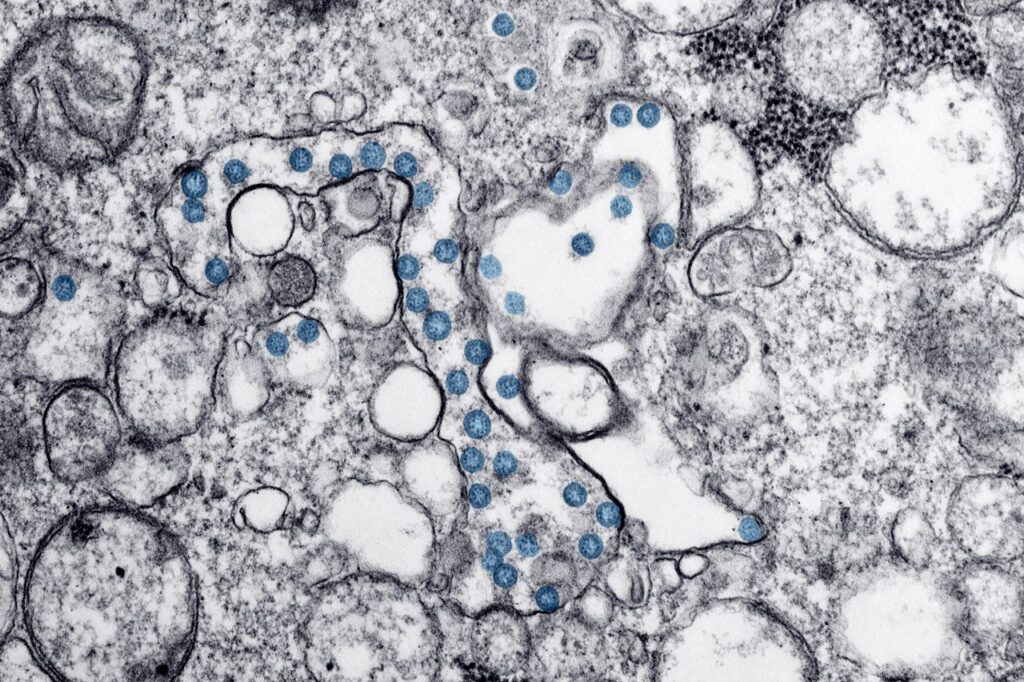
WHO Declares Ebola Outbreak a Public Health Emergency as Cases Surpass 1,000
The World Health Organization (WHO) has declared the ongoing Ebola outbreak in the Democratic Republic of the Congo (DRC) a Public Health Emergency of International Concern (PHEIC) after confirmed cases surged past 1,000, making it the second-largest Ebola outbreak ever recorded and the largest ever caused by the rare Bundibugyo virus strain.
As of June 22, 2026, the DRC has confirmed 1,048 cases and 267 deaths from Bundibugyo virus, a rare species of Ebola for which no licensed vaccine or specific antiviral treatment currently exists. This marks the 17th Ebola outbreak in the DRC, but the number of cases has risen faster than in any previous outbreak, alarming global health authorities.
What Is the Bundibugyo Virus?
Bundibugyo virus is one of four orthoebolaviruses known to cause Ebola disease in humans. First identified in 2007 during an outbreak in Uganda’s Bundibugyo district, this strain has historically caused only small, contained outbreaks. The 2007 Uganda outbreak recorded 149 cases with a 32% fatality rate, while a 2012 outbreak in DRC’s Orientale Province reported 57 cases with a 55% fatality rate.
The current outbreak has already surpassed both previous Bundibugyo outbreaks combined, and health officials warn the numbers may continue climbing as surveillance and contact tracing efforts expand across affected regions.
Why This Outbreak Is Different
Several factors make the 2026 outbreak particularly challenging for public health responders:
- No vaccine available: All existing Ebola vaccines target the Zaire ebolavirus species. The Bundibugyo virus is antigenically distinct, meaning current vaccines do not provide protection. This is the first major outbreak of a non-Zaire Ebola strain in the modern vaccine era.
- Conflict zone complications: The epicenter is in Ituri province, an area of active armed conflict between government forces and the AFC-M23 rebel alliance. Nearly a quarter of a million people have been displaced, making contact tracing and treatment delivery extremely difficult.
- Urban spread: Cases have now been confirmed in North Kivu (44 cases) and South Kivu (3 cases), including the provincial capital of Goma, a city of over one million people with an international airport connecting to regional hubs.
- Initial diagnostic delays: Standard Ebola tests initially returned negative because they were designed for the more common Zaire species. This caused weeks of undetected community transmission before the Bundibugyo strain was identified through genetic fingerprinting.
- Cross-border transmission: Uganda has confirmed two deaths and 20 cases among individuals who traveled from the DRC, including cases in the capital Kampala. The porous borders in the Great Lakes region increase the risk of further regional spread.
Symptoms and Transmission
Ebola disease caused by Bundibugyo virus presents with the same symptoms as other Ebola strains. Symptoms typically appear 2 to 21 days after exposure and begin suddenly with fever, severe headache, fatigue, and muscle pain before progressing to vomiting, diarrhea, abdominal pain, and in some cases, internal and external bleeding.
The virus spreads through direct contact with the blood, secretions, or other bodily fluids of infected people or animals. Burial practices that involve direct contact with the deceased have been a significant driver of transmission during this outbreak, with one funeral in Mongbwalu linked to a large cluster of secondary infections.
Global Response and Travel Measures
The international response has ramped up significantly:
- WHO has allocated $3.9 million to containment efforts.
- Africa CDC announced a $319 million emergency budget.
- South Africa pledged $5 million to support the response.
- CDC has issued Level 3 travel warnings for DRC’s affected provinces, advising against non-essential travel to Ituri, North Kivu, and South Kivu.
- Enhanced screening: The U.S. has implemented entry restrictions and re-routed all air passengers from DRC, Uganda, and South Sudan to four designated airports (Washington-Dulles, Atlanta, Houston, and New York JFK) for health screening.
- Experimental treatments: WHO has recommended evaluation of the experimental antiviral obeldesivir, originally developed for COVID-19, to determine its effectiveness against Bundibugyo virus.
What This Means for Travelers
For the general public, the risk outside Central and East Africa remains minimal. The CDC has assessed the risk to the U.S. population as low over the next three months, noting that even if an imported case were identified, the U.S. public health infrastructure is well-equipped to contain community spread.
However, travelers to the DRC or Uganda should exercise heightened caution, avoid healthcare settings unless essential, practice rigorous hand hygiene, and monitor for symptoms for 21 days after leaving affected areas.
Lessons From a Perfect Storm
Health experts point to a convergence of factors that created this “perfect storm” scenario: a rare viral strain without medical countermeasures, an active conflict zone impeding response efforts, delayed diagnosis due to species-specific testing, and significant population movement across borders.
Dr. Jean Kaseya, director of Africa CDC, emphasized that community engagement is critical. Public health campaigns are now providing guidance on safe burial practices, basic hygiene, and the importance of reporting symptoms early to break chains of transmission.
The outbreak serves as a stark reminder that health security gaps in one region can quickly become a global concern. With robust international cooperation, enhanced surveillance, and community-led response efforts, health authorities hope to contain this outbreak before it reaches the scale of the 2014-2016 West Africa epidemic, which infected over 28,000 people.
Frequently Asked Questions
Is this Ebola outbreak a pandemic risk?
No. The WHO and CDC have both assessed the global risk as low. Ebola spreads through direct contact with bodily fluids, not through airborne transmission, making it far less transmissible than respiratory viruses like influenza or COVID-19. The risk outside Central and East Africa remains minimal.
Is there a vaccine for this strain of Ebola?
No. All currently approved Ebola vaccines target the Zaire ebolavirus species. The Bundibugyo virus is genetically distinct, and no vaccine exists for it. This is a major challenge in controlling the current outbreak.
How is Bundibugyo virus different from other Ebola strains?
Bundibugyo virus is one of four orthoebolaviruses that cause Ebola disease in humans. It was first identified in 2007 in Uganda and has only caused two small outbreaks before the current one. Its fatality rate (historically 32-55%) is lower than Zaire ebolavirus (up to 90%), but the lack of a vaccine makes it equally dangerous in outbreak settings.
Should I cancel my travel to Africa?
That depends on your destination. The CDC advises against non-essential travel to affected provinces in eastern DRC (Ituri, North Kivu, South Kivu) and recommends enhanced precautions for travel to Uganda. Travel to other parts of Africa, including popular safari and tourist destinations, is not affected. Consult the CDC Travel Health Notices for the latest guidance.
What are the early symptoms of Ebola?
Symptoms appear suddenly 2 to 21 days after exposure and include fever, severe headache, fatigue, muscle pain, sore throat, and weakness. As the disease progresses, vomiting, diarrhea, rash, and impaired kidney and liver function may develop. Anyone who has been in affected areas and develops these symptoms should seek medical attention immediately.
How is the international community responding to this outbreak?
The WHO has declared a Public Health Emergency of International Concern, unlocking additional resources and coordination mechanisms. Africa CDC has committed $319 million. The U.S. CDC has deployed response teams and implemented enhanced entry screening at U.S. airports. Experimental treatments are being evaluated, and community education campaigns are underway in affected regions.

Medical Disclaimer
The information provided on this website is for general informational purposes only and is not intended as medical advice. Always consult with a qualified healthcare professional for medical advice, diagnosis, or treatment. Never disregard professional medical advice or delay in seeking it because of something you have read on this website.