FDA Upgrades Egg Recall to Class I: 19 Million Eggs Linked to Salmonella Outbreak
FDA Upgrades Egg Recall to Class I: 19 Million Eggs Linked to Salmonella Outbreak
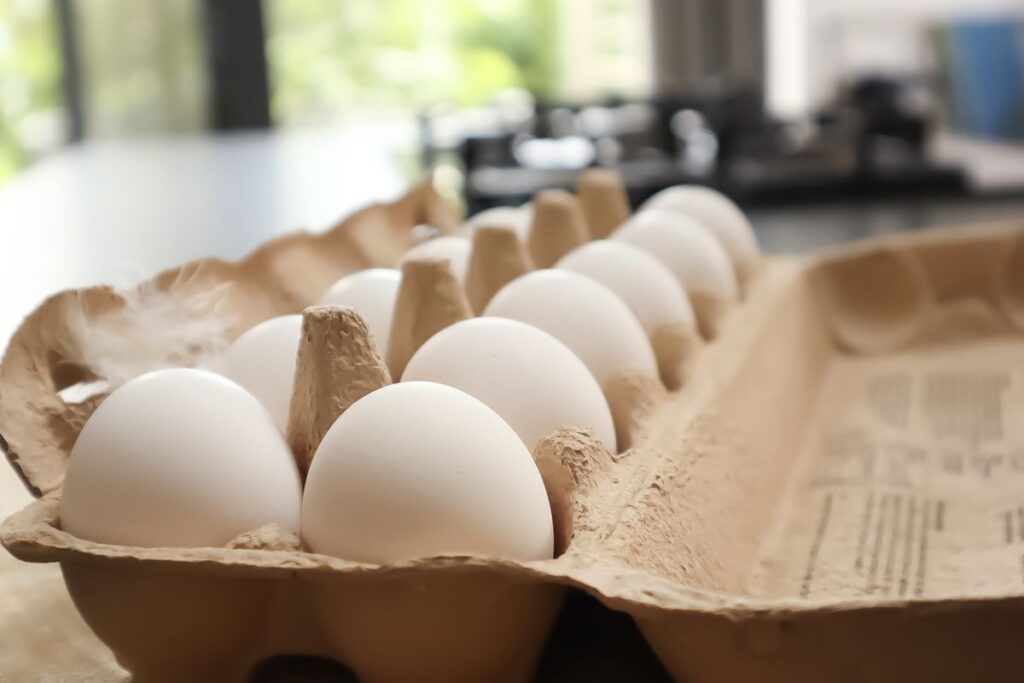
The U.S. Food and Drug Administration (FDA) has upgraded a massive egg recall to Class I, its highest-risk classification, after nearly 19 million eggs were linked to a salmonella outbreak that has sickened at least 98 people across 17 states. The recall, first announced by Midwest Poultry Services in July 2026, involves white shell and brown cage-free eggs produced at two Texas farms, and health officials are urging consumers to check their refrigerators immediately.
A Class I recall means there is a reasonable probability that eating the product could cause serious adverse health consequences or death. The FDA reclassified the recall on August 12, 2026, roughly three weeks after the company’s voluntary action, following epidemiological, laboratory, and traceback evidence pointing to the eggs as the likely source of a multi-state salmonella enteritidis outbreak.
What Happened: Timeline of the Egg Recall
Midwest Poultry Services voluntarily recalled approximately 1.6 million dozen eggs — close to 19 million individual eggs — on July 22, 2026, over potential Salmonella Enteritidis contamination. The company said it identified the potential contamination through environmental monitoring and root-cause analysis at its Texas farms, and that whole-genome sequencing by a third-party laboratory matched some samples to the outbreak strain.
Here is the key timeline:
- June 6 – July 3, 2026: The affected eggs were produced at two farms in Texas.
- July 22, 2026: Midwest Poultry Services announced the voluntary recall.
- August 12, 2026: The FDA upgraded the recall to Class I, its most serious category.
- Ongoing: Federal investigators continue to trace the outbreak, which spans illnesses dating back to November 2025.
Which Eggs Are Affected?
The recalled eggs were sold under several brand names, including Kroger, Simple Truth, Brookshire’s, Country Morning, and Cal-Maine Sunups. They carry sell-by or best-by dates between July 20 and August 17, 2026.
Consumers purchased the eggs at:
- Kroger stores in Texas and Louisiana
- Brookshire Grocery stores in Texas, Oklahoma, Arkansas, Louisiana, New Mexico, and Mississippi
- Smaller retail outlets and foodservice customers in Texas, Oklahoma, and Louisiana
To identify recalled cartons, check for the plant code P-1950 or 0840962, alongside a Julian date between 157 and 184, printed in date-coding ink on the side of the carton. A full list of impacted products, including UPC codes, descriptions, and photos, is available on the FDA website.
The Outbreak by the Numbers
According to the Centers for Disease Control and Prevention (CDC) and the FDA, the outbreak has affected people in 17 states:
- 98 people infected with the outbreak strain of Salmonella Enteritidis
- 26 hospitalizations reported
- No deaths reported to date
- 40 of 44 people interviewed reported eating eggs before falling ill
Illnesses began between November 21, 2025, and June 30, 2026 — a span of more than seven months. Texas accounts for the large majority of cases, but illnesses have also been reported in states outside the FDA’s identified distribution areas, including Michigan and New York. That mismatch is one reason the investigation is not yet over: the FDA notes that the producer does not account for all illnesses in the outbreak.
Salmonella Symptoms: What to Watch For
Salmonella is one of the most common causes of foodborne illness, responsible for about 1.35 million infections in the United States every year, according to the CDC. Symptoms typically appear 12 to 72 hours after eating contaminated food and include:
- Diarrhea, which may be watery or contain blood or mucus
- Fever and abdominal cramps
- Nausea, vomiting, and loss of appetite
- Headache
Most healthy people recover within four to seven days without treatment. However, children under five, older adults, and people with weakened immune systems face the highest risk of severe illness, dehydration, or complications requiring hospitalization. Anyone with severe symptoms — high fever, bloody diarrhea, or signs of dehydration — should seek medical care promptly.
What Should You Do If You Have Recalled Eggs?
The FDA and Midwest Poultry Services advise consumers to take the following steps:
- Check your cartons for the plant codes P-1950 or 0840962 and Julian dates 157–184.
- Do not eat the recalled eggs, even if they look and smell normal.
- Return them to the place of purchase for a full refund, or throw them away if they are no longer in their original packaging.
- Wash your hands, utensils, and any surfaces that touched the eggs with hot, soapy water.
- Monitor for symptoms if you or a family member consumed the eggs, and contact a healthcare provider if illness develops.
Kroger has said that all eggs currently available in its stores were sourced from a different production facility. Midwest Poultry Services has stated that no other products are part of this recall, and that the voluntary recall is already complete.
Why This Matters for Public Health
The Class I upgrade is a reminder that foodborne outbreaks can persist and expand long after a recall is announced. Investigators are still working to determine whether additional sources contributed to the outbreak, and consumers in states far beyond the original distribution footprint have been affected. Food safety experts recommend staying alert to recall announcements, checking product codes at home, and practicing good kitchen hygiene — especially with eggs, which are consumed by nearly every household.
Frequently Asked Questions
What does a Class I recall mean?
A Class I recall is the FDA’s most serious recall category. It means there is a reasonable probability that using or being exposed to the product could cause serious adverse health consequences or death.
How do I know if my eggs are part of the recall?
Look for the plant code P-1950 or 0840962 and a Julian date between 157 and 184 printed on the carton. Affected brands include Kroger, Simple Truth, Brookshire’s, Country Morning, and Cal-Maine Sunups, with sell-by dates between July 20 and August 17, 2026.
Is this a new recall?
No. The Class I classification is an upgrade of the voluntary recall announced July 22, 2026. It reflects the FDA’s updated risk assessment and does not expand the scope of the original recall.
How long does salmonella food poisoning last?
Symptoms usually begin 12 to 72 hours after exposure and last four to seven days. Most people recover without treatment, though young children, older adults, and immunocompromised individuals may become seriously ill.
Can I cook the recalled eggs to make them safe?
Health officials recommend against eating the recalled eggs at all. Thorough cooking kills salmonella, but because contamination can spread to surfaces and other foods, the FDA advises returning or discarding the eggs rather than consuming them.
Stay Informed
For the latest updates on this outbreak, consumers can follow the CDC and FDA outbreak pages, which are updated as investigations progress. Anyone who becomes ill after eating recalled eggs should report it to their local health department to help investigators track the full scope of the outbreak.
Sources: U.S. Food and Drug Administration (FDA), Centers for Disease Control and Prevention (CDC), Midwest Poultry Services recall notice.

Medical Disclaimer
The information provided on this website is for general informational purposes only and is not intended as medical advice. Always consult with a qualified healthcare professional for medical advice, diagnosis, or treatment. Never disregard professional medical advice or delay in seeking it because of something you have read on this website.