
Measles Deaths Reach Historic Low, but Immunization Gaps Threaten Progress
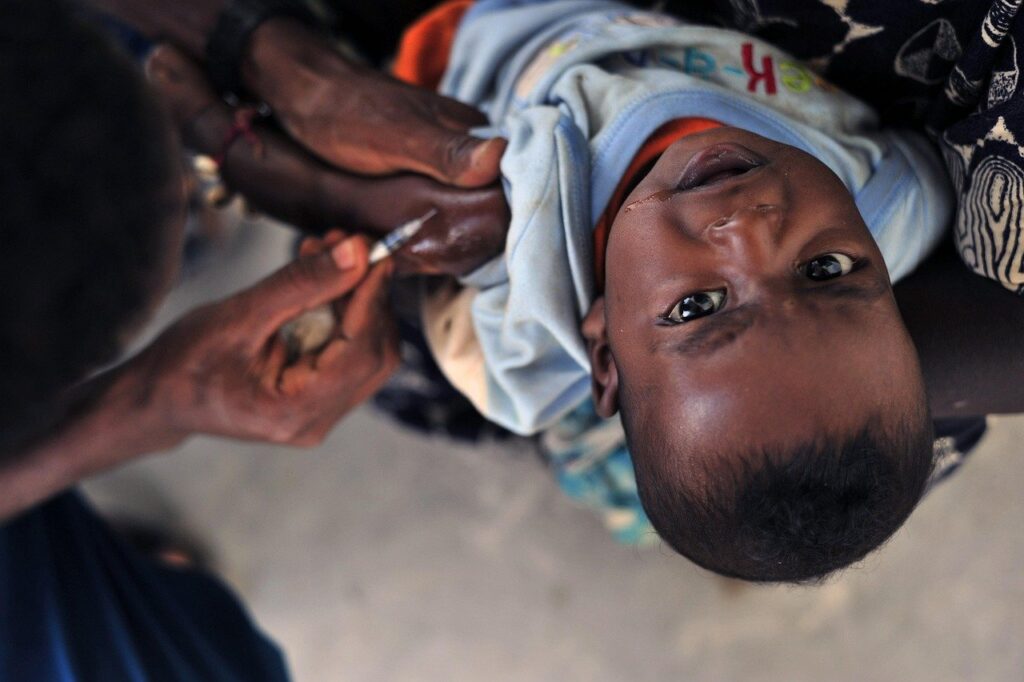
Measles Deaths Reach Historic Low, but Global Progress Hangs in the Balance
The World Health Organization has released new data showing that measles deaths worldwide have fallen to their lowest level ever recorded. In 2025, an estimated 72,000 people died from measles globally, a 91 percent reduction from the 770,000 deaths reported in the year 2000. This achievement represents one of the most significant public health victories of the modern era, driven by sustained vaccination efforts across the globe.
According to the WHO, accelerated immunization activities by countries, the WHO, the Measles and Rubella Partnership, and other international partners have successfully prevented more than 60 million deaths between 2000 and 2025. The report estimates that nearly 10 million people were infected with measles in 2025, which is among the lowest estimated levels reported in decades.
The Vaccination Picture: Progress and Persistent Gaps
Global measles immunization coverage remained largely unchanged in 2025, with 84 percent of children receiving their first dose and 77 percent receiving their second dose of the measles vaccine. However, these global figures mask significant regional and national disparities that threaten the hard-won progress.
Low-income countries reported coverage of just 69 percent for the first dose and 57 percent for the second dose. By comparison, high-income countries achieved 93 percent and 91 percent coverage for the first and second doses respectively. The gap is stark and widening.
More than 29 million children worldwide were unvaccinated or under-immunized against measles in 2025, leaving them vulnerable to a highly contagious disease that can cause severe complications including blindness, pneumonia, and encephalitis, which can lead to permanent brain damage or death.
The WHO Director-General, Dr Tedros Adhanom Ghebreyesus, highlighted this challenge directly: “Measles deaths have never been lower, thanks to the extraordinary life-saving power of vaccines. But measles does not forgive complacency. Countries that had eliminated it are now losing that status. Elimination is not a finish line. It must be defended, with two doses of vaccine for every child, everywhere.”
Outbreaks on the Rise in Countries That Had Eliminated Measles
Despite the overall decline in deaths, the report raises serious concerns about the resurgence of measles in countries that had previously achieved elimination. In 2025, 59 countries experienced large or disruptive measles outbreaks. This included 18 low-income countries, 34 middle-income countries, and 7 high-income countries. Most concerning: 11 of these outbreaks occurred in countries that had previously been declared measles-free.
The Region of the Americas saw case numbers increase 8-fold since 2000, with 73,000 people infected in 2025. Immunization coverage in that region has declined from levels above 90 percent before the COVID-19 pandemic to concerningly lower rates today. Several countries in the European Region also recorded some of their lowest measles immunization coverage rates, despite a strong overall regional average of 92 percent for the first dose.
Children in conflict zones and crisis settings remain disproportionately affected. These populations are far less likely to be vaccinated and bear the heaviest burden when outbreaks occur. By the end of 2025, 95 countries had been verified as having achieved or maintained measles elimination, but recent losses of elimination status in several countries demonstrate that the virus can quickly regain a foothold wherever vaccination coverage drops.
What Must Happen to Protect Progress
The WHO and the Measles and Rubella Partnership are clear about what is needed. Ending measles outbreaks means reaching every child, everywhere, with two doses of the measles vaccine. This requires sustained political will, strong routine immunization systems, robust disease surveillance, and community trust in vaccination.
Key actions that countries must take include:
- Strengthening routine immunization systems to achieve and maintain 95 percent coverage with two doses of the measles vaccine in every district
- Conducting high-quality mass immunization campaigns in countries with high case rates
- Investing in stronger surveillance systems to detect and respond to outbreaks quickly
- Building and maintaining community trust in measles vaccination through transparent communication
- Ensuring that children in conflict and crisis settings are not left behind
FAQ: Measles and the Measles Vaccine
Q: How contagious is measles?
A: Measles is one of the most contagious infectious diseases known. One infected person can spread the virus to 9 out of 10 unprotected people nearby. The virus can remain in the air for up to two hours after an infected person has left a room.
Q: What are the complications of measles?
A: Measles can cause severe and sometimes lifelong complications including blindness, severe diarrhea and dehydration, ear infections leading to permanent hearing loss, pneumonia, and encephalitis (swelling of the brain) which can cause brain damage and death. Complications are most severe in children under 5 and adults over 20.
Q: How effective is the MMR vaccine?
A: Two doses of the measles, mumps, and rubella (MMR) vaccine are 97 percent effective against measles. One dose is 93 percent effective. The vaccine is safe and has been used for decades.
Q: Why are some countries losing their measles elimination status?
A: Elimination status is lost when vaccination coverage falls below the 95 percent threshold needed to maintain herd immunity. This can happen due to disruptions from the COVID-19 pandemic, conflict, vaccine hesitancy, or health system weaknesses. Once coverage drops, the virus finds unprotected individuals and outbreaks begin.
Source: World Health Organization (WHO), “Historic low in measles deaths, but immunization gaps threaten progress,” 27 November 2026. Additional context from CDC measles surveillance data.

Medical Disclaimer
The information provided on this website is for general informational purposes only and is not intended as medical advice. Always consult with a qualified healthcare professional for medical advice, diagnosis, or treatment. Never disregard professional medical advice or delay in seeking it because of something you have read on this website.