WHO Calls for Global Scale-Up of Newborn Screening to Save Millions of Lives
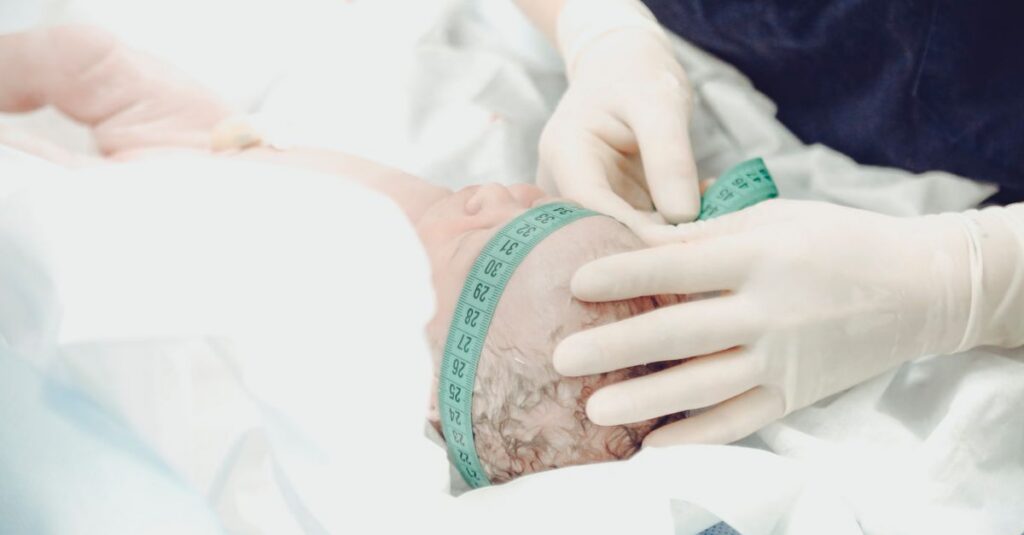
Millions of Birth Defects Go Undetected — WHO Says Early Screening Can Change That
The World Health Organization (WHO) has issued an urgent call for countries worldwide to dramatically expand newborn screening programs, warning that millions of children are born with undetected birth defects that could be successfully treated if identified early. In a comprehensive new report released June 23, 2026, the WHO highlights how simple screening tests performed shortly after birth can save lives, prevent lifelong disability, and give every newborn the best possible start in life.
Titled Strengthening capacity for newborn screening, diagnosis and management of birth defects, the report arrives at a critical moment in global child health. While deaths from infectious diseases and malnutrition have fallen significantly in recent decades, birth defects now account for a growing share of childhood mortality — and the gap between wealthy and poor nations has never been wider.
The Scope of the Problem
The numbers are stark. An estimated 8 million babies are born with a birth defect every year around the world. These congenital conditions now account for nearly 8% of all deaths among children under five years of age. Even more troubling, approximately 90% of children born with serious birth defects live in low- and middle-income countries, where access to screening, diagnosis, and treatment remains severely limited.
“No child should miss the chance for a healthy future because a congenital condition was not detected early enough,” said Dr Tedros Adhanom Ghebreyesus, WHO Director-General. “Around the world, countries are showing that newborn screening for one or more conditions can save lives, prevent disability, and give a newborn the best opportunity to fulfil her or his potential.”
What Newborn Screening Can Detect
Newborn screening involves testing babies shortly after birth for a range of congenital conditions that may not be immediately visible. Many of these conditions can be effectively managed or treated if caught early. The most common and impactful conditions include:
- Congenital hypothyroidism — A thyroid hormone deficiency that causes severe developmental delays if untreated, but is easily managed with daily medication when detected early.
- Sickle-cell disease — A genetic blood disorder that causes chronic pain, organ damage, and early death. Early diagnosis allows for preventive care, antibiotics, and disease-modifying treatments.
- Hearing impairment — Early detection with newborn hearing screening enables early intervention, speech development support, and vastly improved quality of life.
- Metabolic disorders — A group of conditions including phenylketonuria (PKU) and maple syrup urine disease that can cause severe brain damage but are manageable through specialized diets and medical care.
- Critical congenital heart defects — Pulse oximetry screening can identify heart problems that may require immediate surgical intervention.
A Widening Gap Between Nations
Perhaps the most striking finding in the WHO report is the immense inequality in screening capacity. Some high-income countries now screen all newborns for more than 50 conditions, while many low-income countries remain unable to screen for any condition at all. This disparity carries devastating consequences.
The WHO data shows that between 2000 and 2023, the proportion of under-five deaths attributable to birth defects increased from 1% to 4% in sub-Saharan Africa and from 3% to 11% in South Asia. While part of this increase reflects genuine progress in reducing deaths from infectious diseases, it also highlights a growing unmet need for congenital condition screening and care.
Countries Leading the Way
The WHO report showcases several nations that have successfully integrated newborn screening into their health systems, proving that scale-up is achievable at various income levels:
- Argentina — Increased newborn screening coverage to nearly universal levels across the country.
- Brazil — Expanded nationwide screening for multiple life-threatening conditions, serving as a model for other Latin American nations.
- Egypt — Integrated universal newborn screening for hearing impairment and congenital hypothyroidism into primary health care through its “newborn care pathway.”
- India — Screened more than 28 million children over three years, identifying approximately 900,000 children with birth defects and connecting them to diagnosis, treatment, and support through district early intervention centres.
- Philippines — A program that began as a pilot in 24 hospitals now screens newborns for 29 conditions through more than 7,000 facilities nationwide. All screened conditions have diagnostic and management pathways within the national health system, and screening is covered by national health insurance and mandated by law.
- Sri Lanka — Newborn screening integrated into routine care, with approximately 80% of newborns now screened for congenital hypothyroidism.
- Uganda — A state-led sickle-cell disease program in high-burden areas identifies affected infants early and provides lifesaving treatment and long-term follow-up care.
What the WHO Is Asking Governments to Do
The WHO’s message to governments is both urgent and practical. Rather than demanding that all countries immediately implement comprehensive screening for dozens of conditions — an unrealistic goal for many — the organisation recommends a progressive, step-by-step approach:
- Start with one priority condition — Every country can begin by screening for the condition that represents the greatest burden in its population and that can be feasibly managed within its health system.
- Integrate into existing services — Newborn screening should become a routine part of maternal and child health services, not a standalone program.
- Build diagnostic and management pathways — Screening is only the first step. Countries must ensure that babies who screen positive have access to confirmatory diagnosis and appropriate treatment or management.
- Include screening in universal health coverage — The WHO urges governments to cover newborn screening under national health insurance schemes, as the Philippines has already done.
- Progressively expand — As capacity grows, countries should add additional conditions to their screening panels, moving toward the comprehensive coverage seen in high-income nations.
The Role of Healthcare Professionals
For healthcare providers worldwide, the WHO report serves as both a resource and a call to action. Obstetricians, paediatricians, midwives, and nurses are on the front lines of newborn care and play a critical role in ensuring that every baby receives screening before leaving the hospital or birthing facility. The report provides practical guidance on which conditions to prioritise, how to collect and process screening samples, and how to manage follow-up care for affected infants.
Frequently Asked Questions
What is newborn screening?
Newborn screening is a public health program that tests infants shortly after birth for certain congenital conditions that can be treated or managed if detected early. The tests are typically performed using a small blood sample taken from the baby’s heel, along with hearing and pulse oximetry tests.
When is newborn screening done?
Screening is ideally performed within 24 to 48 hours after birth, before the baby leaves the hospital or birthing facility. If a baby is born at home, screening should be arranged as soon as possible after birth.
Is newborn screening painful for the baby?
The blood test involves a small heel prick that causes brief discomfort, similar to a routine vaccination. Most babies settle quickly afterward. The long-term benefits of early detection far outweigh this momentary discomfort.
How many conditions can be screened for?
This varies widely by country. Some high-income nations screen for more than 50 conditions, while others screen for just one or two. The WHO recommends that each country start with conditions that represent the greatest burden in its population and expand progressively.
What happens if a screening test is positive?
A positive screening test does not mean the baby definitely has the condition — it means further testing is needed. Parents will be referred for confirmatory diagnostic testing and, if the condition is confirmed, will receive guidance on treatment and management options. Early intervention is the key to the best outcomes.
Is newborn screening expensive?
The cost varies depending on how many conditions are screened for and the health system context. However, WHO notes that screening is highly cost-effective compared to the lifelong costs of caring for children with undiagnosed congenital conditions. Countries like the Philippines and Argentina have demonstrated that universal screening is achievable even in middle-income settings.
Can birth defects be prevented before birth?
Some birth defects can be prevented through measures such as adequate folic acid intake during pregnancy, vaccination against rubella, avoiding alcohol and tobacco during pregnancy, and managing pre-existing health conditions like diabetes. However, many birth defects cannot be prevented, which makes early detection through newborn screening even more critical.
The Bottom Line
The WHO’s call to action on newborn screening represents one of the most cost-effective opportunities in global health today. By investing in simple screening tests that cost relatively little, countries can prevent a lifetime of disability, reduce child mortality, and give millions of children the chance to reach their full potential.
For healthcare leaders, policymakers, and clinicians reading this, the message is clear: newborn screening saves lives. The science is proven. The models exist. What is needed now is the political will and investment to make it happen for every child, everywhere.

Medical Disclaimer
The information provided on this website is for general informational purposes only and is not intended as medical advice. Always consult with a qualified healthcare professional for medical advice, diagnosis, or treatment. Never disregard professional medical advice or delay in seeking it because of something you have read on this website.