
WHO Updates Guidelines: Up to 45% of Dementia Risk Is Preventable
WHO Issues New Recommendations for Reducing Cognitive Decline
The World Health Organization (WHO) has released updated guidelines on reducing the risk of cognitive decline and dementia, revealing that up to 45% of dementia cases could potentially be prevented or delayed through targeted lifestyle and health interventions. The new recommendations, published on July 15, 2026, represent the most comprehensive update to dementia prevention guidance since WHO\u2019s first recommendations on the topic in 2019.
Dementia currently affects more than 57 million people worldwide, with nearly 10 million new cases diagnosed each year. Alzheimer\u2019s disease, the most common form of dementia, accounts for an estimated 60\u201370% of all cases. While there remains no cure for dementia, the updated WHO guidelines emphasize that a substantial proportion of risk is within an individual\u2019s control.
What the New WHO Guidelines Say About Dementia Prevention
The updated guidelines reflect significant growth in scientific evidence since 2019. WHO Director-General Dr Tedros Adhanom Ghebreyesus stated: \u201cWe know more today than ever before about what drives dementia risk, and these guidelines translate that knowledge into action. Countries now have clear, evidence-based recommendations they can put into practice immediately to protect people\u2019s cognitive health.\u201d
The guidelines consolidate recommendations across three key areas: addressing unhealthy behaviours, managing medical conditions, and reducing exposure to environmental factors that contribute to cognitive decline.
Key Modifiable Risk Factors for Dementia
The WHO identifies several modifiable risk factors that account for up to 45% of dementia risk. These include:
- Tobacco use \u2013 Smoking significantly increases dementia risk through vascular damage and oxidative stress
- Excessive alcohol consumption \u2013 Heavy drinking is linked to brain damage and cognitive decline
- Physical inactivity \u2013 Regular exercise supports brain health and neuroplasticity
- Social isolation \u2013 Loneliness and lack of social engagement accelerate cognitive decline
- Air pollution \u2013 A newly emphasized risk factor, with growing evidence linking poor air quality to dementia
- High blood pressure \u2013 Hypertension damages blood vessels in the brain
- Diabetes \u2013 Uncontrolled blood sugar affects brain function and structure
- High cholesterol \u2013 Elevated cholesterol contributes to vascular dementia risk
- Hearing loss \u2013 The guidelines now recommend hearing aids as part of risk-reduction strategies
Lifestyle Interventions That Make a Difference
The WHO recommends several lifestyle interventions with proven benefits for cognitive health:
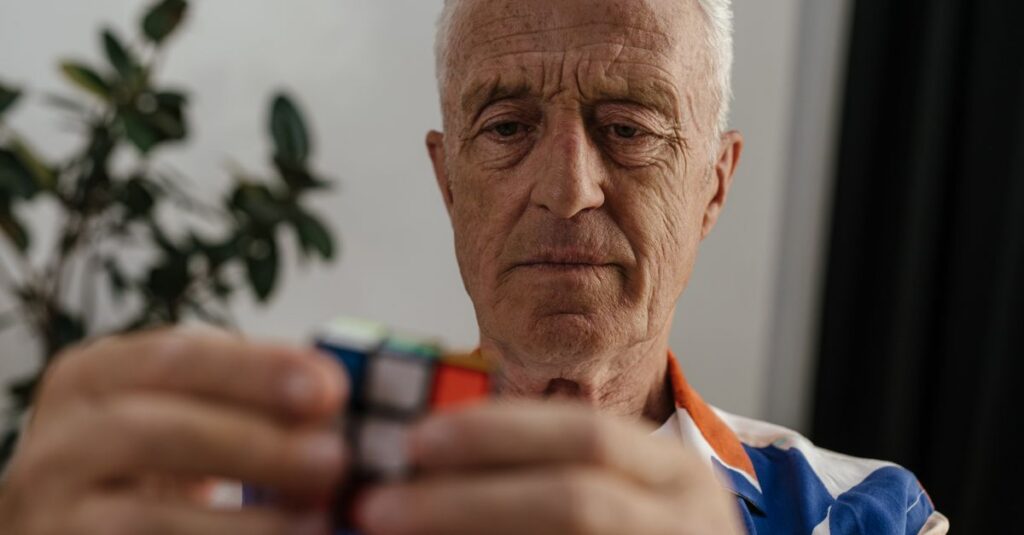
- Cognitive training and stimulation \u2013 Activities that challenge the brain, such as puzzles, learning new skills, and reading, help maintain cognitive function
- Social engagement \u2013 Participating in group activities, volunteering, and maintaining strong social networks reduces dementia risk
- Regular physical activity \u2013 At least 150 minutes of moderate-intensity aerobic exercise per week is recommended
- Healthy diet \u2013 A balanced diet rich in fruits, vegetables, whole grains, and lean proteins supports brain health
- Smoking cessation \u2013 Quitting smoking at any age reduces dementia risk
- Alcohol reduction \u2013 Limiting alcohol intake to recommended levels
What Doesn\u2019t Work: Supplement Advice
Notably, the guidelines do not recommend supplementation with vitamins B and E, omega-3 polyunsaturated fatty acids (PUFA), or multivitamins and minerals for dementia prevention in people without diagnosed deficiencies. The WHO cites lack of evidence for any potential benefits that would outweigh possible harmful effects from unnecessary supplementation.
The Global Economic Burden of Dementia
Dementia carries an enormous economic toll, costing the global economy an estimated US.3 trillion annually. Approximately half of this cost comes from unpaid care provided by families and friends. Beyond economics, dementia profoundly affects an individual\u2019s independence, dignity, safety, and quality of life. Understanding and addressing risk factors can help people live longer, healthier, and more independent lives.
What This Means for Public Health
The updated guidelines represent a significant opportunity to reduce the burden of dementia in the coming decades through stronger integration of services for noncommunicable diseases, mental health, and brain health. WHO calls on countries to implement these evidence-based recommendations as part of their public health strategies, emphasizing that prevention must be a cornerstone of the global response to dementia.
Frequently Asked Questions
Can dementia really be prevented?
While not all dementia cases can be prevented, the WHO estimates that up to 45% of risk is attributable to modifiable factors. This means nearly half of dementia cases could potentially be delayed or prevented through lifestyle changes and proper management of health conditions.
What is the single most important thing I can do to reduce my dementia risk?
There is no single intervention that guarantees protection, but a combination of regular physical activity, not smoking, limiting alcohol, maintaining social connections, managing blood pressure and diabetes, and protecting your hearing offers the best strategy for reducing risk.
Does exercise really help prevent dementia?
Yes. Regular physical activity improves blood flow to the brain, supports neuroplasticity, reduces inflammation, and helps manage other risk factors like high blood pressure and diabetes. The WHO recommends at least 150 minutes of moderate-intensity exercise per week.
Are brain games and puzzles effective?
Cognitive training and stimulation activities, including puzzles, learning new skills, and reading, are recommended by WHO for adults with normal cognition or mild cognitive impairment. These activities help maintain cognitive reserve and may delay the onset of symptoms.
Does air pollution really increase dementia risk?
Yes. Growing evidence links exposure to air pollution, particularly fine particulate matter, with increased dementia risk. The new WHO guidelines include a specific recommendation to reduce exposure to air pollution as part of dementia prevention strategies.
Should I take supplements to prevent dementia?
The WHO does not recommend vitamins B and E, omega-3 supplements, or multivitamins for dementia prevention in people without diagnosed deficiencies. Current evidence does not show clear benefits that outweigh potential risks.
Can hearing loss cause dementia?
Hearing loss is associated with accelerated cognitive decline and increased dementia risk. The WHO now recommends hearing aids as part of dementia risk-reduction strategies, as addressing hearing loss may help maintain cognitive function.
At what age should I start worrying about dementia prevention?
Dementia prevention is a life-course approach. The earlier you adopt healthy behaviours, the better. However, it is never too late to make changes \u2013 even adopting healthier habits later in life can reduce dementia risk.

Medical Disclaimer
The information provided on this website is for general informational purposes only and is not intended as medical advice. Always consult with a qualified healthcare professional for medical advice, diagnosis, or treatment. Never disregard professional medical advice or delay in seeking it because of something you have read on this website.