2026 Ebola Outbreak: Bundibugyo Virus in DRC and Uganda — What Health Professionals Need to Know
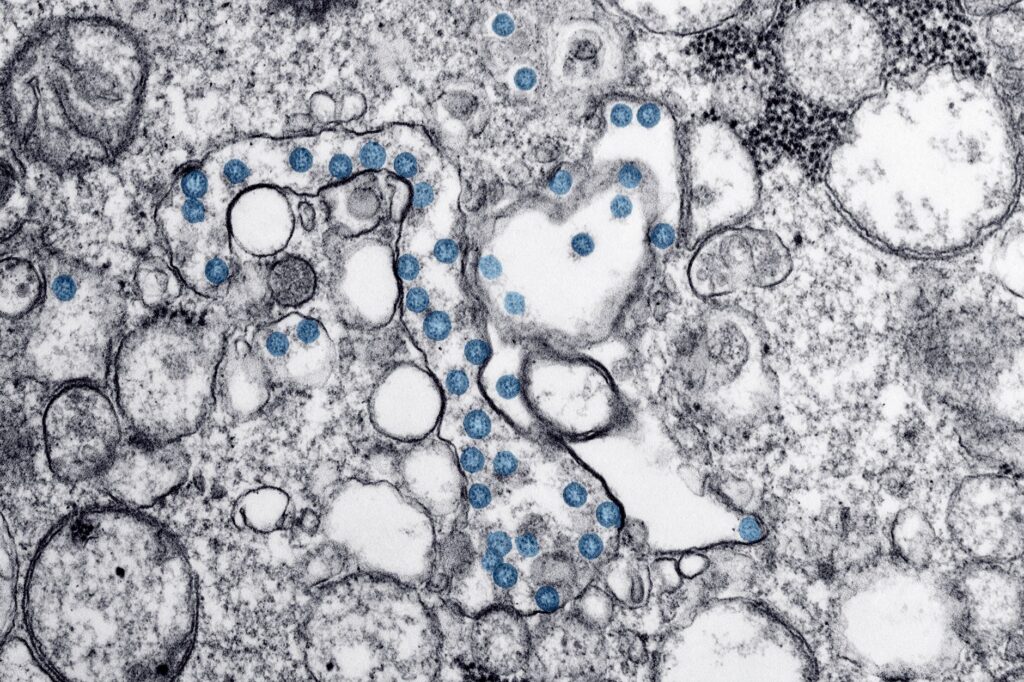
Bundibugyo Virus Spreads Across Eastern DRC — Uganda Reports 19 Cases
The 2026 Ebola disease outbreak, driven by the rare Bundibugyo virus (BDBV), continues to escalate in the Democratic Republic of the Congo (DRC) and has now spilled into neighbouring Uganda. As of 11 June 2026, the DRC Ministry of Health has reported 635 confirmed cases and 127 confirmed deaths, with the hard-hit Ituri province accounting for 600 of those cases across 18 health zones.
This is the third known outbreak of Bundibugyo virus since its discovery, following smaller epidemics in Uganda (2007) and DRC (2012) — but the current outbreak is by far the largest and most geographically widespread.
Ebola Outbreak 2026: Key Numbers at a Glance
- Total confirmed cases (DRC): 635 — including 37 new cases reported on 9 June alone
- Confirmed deaths: 127, with a case fatality rate still under assessment
- Patients in isolation: 260 hospitalised in Ebola treatment centres
- Affected provinces: Ituri (600 cases), North Kivu (32 cases), South Kivu (3 cases)
- Uganda: 19 confirmed cases, 2 deaths — no new cases since 5 June
The World Health Organization (WHO) declared a Public Health Emergency of International Concern (PHEIC) in mid-May, activating global response mechanisms. The WHO Director-General, Dr Tedros Adhanom Ghebreyesus, has cited the “speed and scale” of transmission in the DRC’s conflict-affected regions as a major cause for concern, particularly given the area’s high population mobility linked to mining and displacement.
What Is Bundibugyo Virus?
Bundibugyo virus (BDBV) is one of four orthoebolaviruses known to cause Ebola disease in humans. It was first identified in 2007 during an outbreak in Bundibugyo District, Uganda, which recorded 149 cases and a 32% fatality rate. A second outbreak in DRC’s Orientale Province in 2012 resulted in 57 cases and a 55% fatality rate.
Unlike the more well-known Zaire ebolavirus — for which effective vaccines and treatments exist — there are currently no approved vaccines or treatments specifically for Bundibugyo virus. Patient management relies on supportive care: intravenous fluids, oxygen therapy, blood pressure support, and management of complications.
Symptoms include fever, severe headache, muscle and joint pain, fatigue, vomiting, diarrhoea, abdominal pain, nosebleeds, and bleeding from mucous membranes. The incubation period ranges from 2 to 21 days.
How Did This Outbreak Start?
In early May 2026, a hospital in Bunia Health Zone in northeastern DRC identified a cluster of severe illnesses affecting healthcare workers. Initial samples tested negative for Zaire ebolavirus, but genetic fingerprinting later confirmed Bundibugyo virus as the cause. Eight of 13 initial samples tested positive, with 5 inconclusive — raising early concerns about diagnostic challenges.
Healthcare worker infections in the early stages of this outbreak have been a recurring theme, highlighting gaps in infection prevention and control (IPC) measures in resource-limited settings.
International Response and Controversy
The global response has been swift but not without friction. The United States Centers for Disease Control and Prevention (CDC) and the Department of Homeland Security implemented enhanced travel screening and entry restrictions on 18 May, rerouting affected air passengers from DRC, South Sudan, and Uganda to four designated US airports: Washington-Dulles, Atlanta Hartsfield-Jackson, Houston George Bush Intercontinental, and New York JFK.
A controversial US decision to establish a 50-bed quarantine facility at Laikipia Air Base in Kenya — a country with no reported Ebola cases — sparked violent protests in Nanyuki and a Kenyan court order temporarily suspending the plan.
Meanwhile, an American surgeon who contracted Bundibugyo virus while treating patients in DRC was evacuated to Germany for treatment and is reported in stable condition. High-risk contacts associated with this case were relocated to Germany and the Czech Republic for monitoring.
Risk Assessment for Health Professionals
The European Centre for Disease Prevention and Control (ECDC) assesses the risk of infection for EU/EEA countries as very low. The CDC maintains that the overall risk to the American public and travellers remains low, with no confirmed cases in the United States as of 12 June 2026.
However, health professionals should be aware of:
- Travel history — Patients presenting with fever and haemorrhagic symptoms who have travelled to affected regions in the past 21 days should be isolated and tested
- Infection control — Strict contact and droplet precautions are essential; Bundibugyo virus is transmissible through direct contact with blood, bodily fluids, and contaminated surfaces
- Diagnostic challenges — Standard Ebola virus testing may not detect BDBV; specialised PCR assays targeting Bundibugyo virus are required
- Reporting obligations — Suspected cases should be reported immediately to local public health authorities
Why This Outbreak Matters
This outbreak is a watershed moment for global health security. The absence of a licensed vaccine or targeted therapy for Bundibugyo virus leaves the world reliant on classical public health measures: surveillance, contact tracing, case isolation, and community engagement. In the conflict-affected regions of eastern DRC, where armed groups operate and health infrastructure is fragile, these measures are profoundly difficult to implement.
The fact that the outbreak has already spread to Uganda — and triggered international quarantine disputes — underscores how quickly an Ebola disease outbreak in a remote region can become a global concern.
Frequently Asked Questions
Is there a vaccine for Bundibugyo virus?
No. Currently, there is no licensed vaccine specifically for Bundibugyo virus. This is a critical gap in pandemic preparedness and an active area of research.
Can Bundibugyo virus spread through the air?
No. Bundibugyo virus spreads through direct contact with blood, bodily fluids, or contaminated surfaces. It is not airborne.
Should I cancel travel to DRC or Uganda?
The CDC advises avoiding non-essential travel to affected provinces in DRC. Travel to unaffected areas should be undertaken with standard precautions. Check the latest travel advisories before departure.
What should healthcare workers do if they suspect a case?
Isolate the patient immediately, use full contact and droplet personal protective equipment (PPE), and notify your local public health authority and infectious disease specialist without delay.
How does Bundibugyo compare to Zaire ebolavirus?
Bundibugyo virus tends to have a slightly lower reported fatality rate (30–55%) compared to Zaire ebolavirus (50–90%), but this is based on limited outbreak data. The lack of targeted treatments makes any direct comparison complex.

Medical Disclaimer
The information provided on this website is for general informational purposes only and is not intended as medical advice. Always consult with a qualified healthcare professional for medical advice, diagnosis, or treatment. Never disregard professional medical advice or delay in seeking it because of something you have read on this website.