
Cyclospora Outbreak: Nearly 7,000 Infected Across 34 US States — What You Need to Know
A significant public health alert has emerged from the United States, where nearly 7,000 people may have been infected with a microscopic parasite causing severe gastrointestinal illness. The cyclosporiasis outbreak, now spanning 34 states, has prompted urgent warnings from the US Centers for Disease Control and Prevention (CDC) and state health departments nationwide.
Understanding Cyclosporiasis
Cyclosporiasis is an intestinal illness caused by the microscopic parasite Cyclospora cayetanensis. Unlike many other foodborne pathogens, this parasite requires time outside the body to become infectious, meaning it is not transmitted directly from person to person. Instead, infection occurs through the consumption of contaminated food or water, typically fresh produce contaminated at the farm or irrigation level.
The hallmark symptom is frequent, watery, and often explosive diarrhea. According to the CDC, infected individuals may also experience loss of appetite, weight loss, stomach cramps, bloating, increased gas, nausea, and fatigue. Low-grade fever and vomiting are less common but may occur.
Dr Caitlin Rivers of the Johns Hopkins Center for Health Security confirmed that transmission is exclusively faecal-oral through ingestion of contaminated food or water, emphasizing that person-to-person spread does not occur with this particular parasite.
Outbreak Breakdown by State
The CDC reported on Tuesday that 1,645 people nationwide have confirmed cyclosporiasis cases, with an additional 5,100 cases still under investigation. The actual number is likely higher, as many people recover without seeking medical care or being tested.
Michigan has been hit hardest, reporting 3,309 illnesses across the state since July 9. Ohio has seen more than 400 cases in the past month. Other states with significant case numbers include:
- New York: 510 cases, with more than half in New York City alone
- North Carolina: 307 people sickened, with 13 requiring hospital admission
- Illinois: 194 probable cases — described as a “higher-than-average” figure for this time of year
- Indiana, Texas, and New Jersey also reporting elevated case numbers
Four Midwestern states — Michigan, Ohio, West Virginia, and Kentucky — have more than 400 linked cases combined. The CDC anticipates case counts will continue to rise as new data comes in.
Current Status and Severity
To date, no deaths have been reported from this outbreak. However, 141 patients have been hospitalized, underscoring the severity of the illness in some individuals. The infection is not usually life-threatening, according to the CDC, and is generally less common than other foodborne illnesses like salmonella and E. coli.
If left untreated, cyclosporiasis may last from a few days to more than a month. Symptoms can also return after appearing to resolve. The incubation period is typically about one week after the initial infection.
The Search for a Source
Health officials have not yet identified the specific food source behind this outbreak. The CDC confirmed that those infected became sick after eating food within the United States and did not report any international travel during the 14 days before their symptoms began.
Dr Rivers noted that contamination typically occurs at the farm or irrigation level, making traceback investigations particularly challenging. No specific type of produce, grower, or supplier has yet been identified as the culprit.
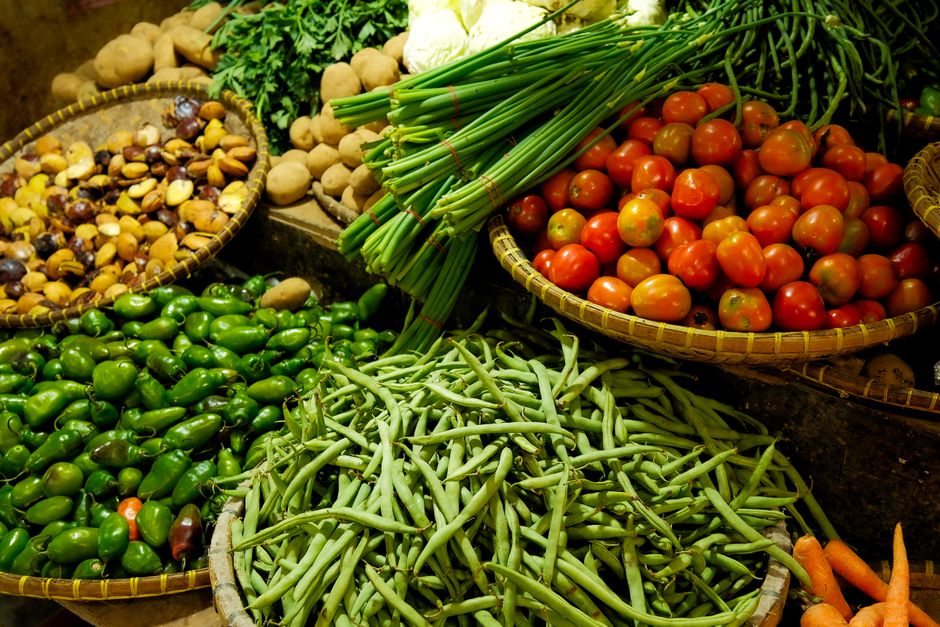
Previous cyclospora outbreaks in the US and Canada have been linked to a variety of fresh produce items, including bagged salad mixes and kits, fresh cilantro, fresh basil, raspberries, snow peas, and green onions.
Prevention and Safety Measures
In response to the large and increasing number of cases, Michigan’s health department has issued specific recommendations for restaurants and commercial kitchens preparing or serving raw produce:
- Thoroughly wash all greens and fresh produce
- Cook raspberries and leafy greens when possible
- Remove outer layers of lettuce and green onions
- Practice rigorous hand hygiene in food preparation areas
While the US Food and Drug Administration notes that rinsing produce is unlikely to fully eliminate the parasite, the CDC still recommends washing all fresh fruits and vegetables thoroughly under running water before consumption. Consumers should also be aware that cyclospora is not killed by standard chlorination levels in drinking water.
Anyone experiencing persistent diarrhea, especially with explosive bowel movements, is urged to contact a health provider and specifically ask about cyclospora testing.
Treatment Options
Cyclosporiasis is treatable with a specific antibiotic — trimethoprim-sulfamethoxazole (also known as Bactrim or Septra). The standard treatment course is typically 7 to 10 days. For individuals with sulfa allergies, alternative treatment options are available under medical supervision.
It is important to note that anti-diarrheal medications alone are not sufficient and may prolong the illness. Anyone suspecting infection should seek proper medical diagnosis and prescription treatment.
Frequently Asked Questions
What is cyclospora and how do you get it?
Cyclospora is a microscopic parasite that causes intestinal infection. You get it by consuming food or water contaminated with the parasite. It is not spread from person to person.
What are the main symptoms of cyclosporiasis?
The primary symptom is frequent, watery, and explosive diarrhea. Other symptoms include stomach cramps, bloating, nausea, fatigue, loss of appetite, and weight loss. Symptoms typically appear about one week after infection.
How long does cyclosporiasis last?
If untreated, the illness can last from a few days to more than a month. Symptoms may also return after appearing to subside. Treatment with antibiotics usually resolves the infection within a week.
Is cyclosporiasis life-threatening?
Cyclosporiasis is rarely life-threatening, though it can be severe. Hospitalization may be required in some cases, particularly for individuals with weakened immune systems or underlying health conditions.
What foods are commonly linked to cyclospora outbreaks?
Past outbreaks have been linked to bagged salad mixes, fresh cilantro, fresh basil, raspberries, snow peas, and green onions. The current outbreak’s source has not yet been identified.
Can you prevent cyclospora infection?
Thoroughly washing all fresh produce under running water is recommended. Cooking produce when possible is even more effective, as heat kills the parasite. Proper food handling and hand hygiene are essential, especially in commercial kitchen settings.
Should travelers be concerned?
The current outbreak is linked to food consumed within the United States, not to international travel. However, cyclospora is more common in tropical and subtropical regions globally, so travelers to endemic areas should exercise caution with food and water.

Medical Disclaimer
The information provided on this website is for general informational purposes only and is not intended as medical advice. Always consult with a qualified healthcare professional for medical advice, diagnosis, or treatment. Never disregard professional medical advice or delay in seeking it because of something you have read on this website.