
HPV Vaccine Brings Cervical Cancer Death Risk to Near Zero, Landmark Study Shows
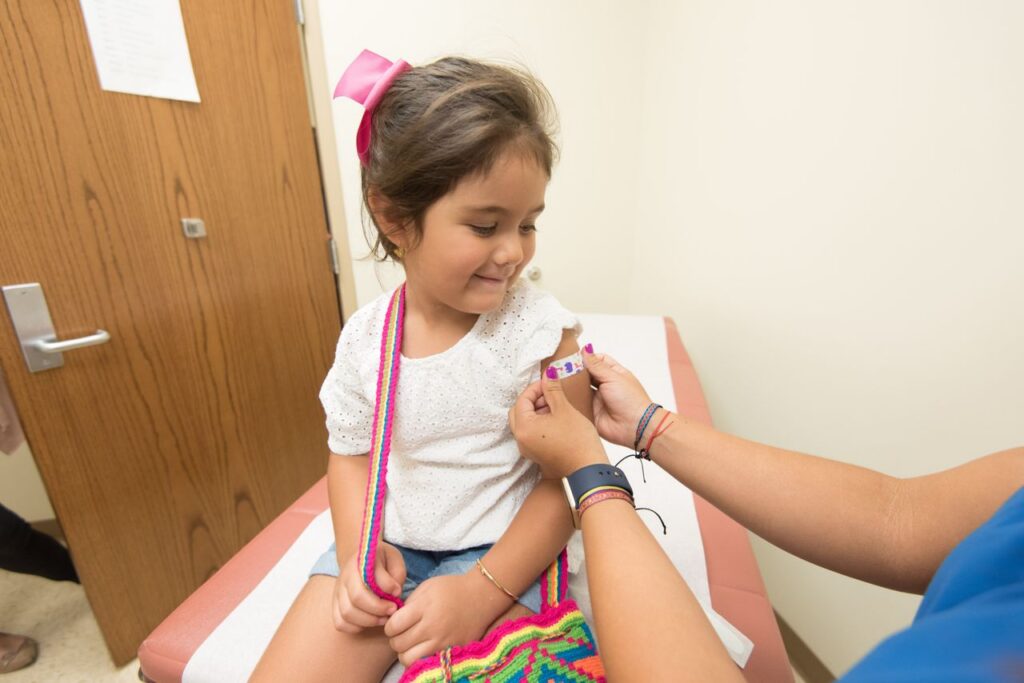
Landmark Study: HPV Vaccine Virtually Eliminates Cervical Cancer Deaths in Young Women
A groundbreaking new study published in The Lancet has revealed that the HPV (human papillomavirus) vaccine has brought the risk of dying from cervical cancer to “close to zero” for women vaccinated at age 12–13. The findings mark a historic milestone in cancer prevention and demonstrate the extraordinary life-saving power of vaccination.
The research, led by Professor Peter Sasieni at Queen Mary University of London and funded by Cancer Research UK, is the first study of its kind to directly measure the impact of the HPV vaccine on cervical cancer mortality. The results are nothing short of remarkable.
What the Study Found
Between 2020 and 2024, no cervical cancer deaths were recorded in women aged 20 to 24 in England — the first time this has happened over a five-year period. Without vaccination, around 23 deaths would have been expected in that age group.
Overall, approximately 200 lives have already been saved in England since school-age girls began receiving the HPV vaccine in 2008. Researchers expect this number to grow substantially as vaccinated generations age.
“It’s incredible to think that a single jab can almost eliminate a particular type of cancer,” said Professor Sasieni.
How the HPV Vaccine Works
The HPV vaccine targets the human papillomavirus, a common virus spread through close skin-to-skin contact. HPV is responsible for 99% of all cervical cancer cases. While most HPV infections clear up without causing problems, some lead to abnormal cell changes that can develop into cancer years later.
- Targeted protection: The vaccine prevents infection with the high-risk HPV types responsible for the majority of cervical cancers.
- Herd immunity: Since 2019, boys have also been offered the vaccine, protecting them against anal, penile, throat, and mouth cancers while reducing virus transmission to girls.
- Long-lasting effect: Protection persists for well over a decade, and researchers expect it to be lifelong for most recipients.
A Personal Story of Survival
Alexandra Legg left school just before the HPV vaccine was introduced. In 2021, at age 30, she was diagnosed with cervical cancer while planning her wedding. Her treatment involved the removal of lymph nodes, though surgeons preserved part of her cervix, giving her a chance at pregnancy.
Remarkably, just one year later, her daughter Ivy was born — with the middle name Marvella, meaning “miracle.” Alexandra is now a passionate advocate for HPV vaccination.
“I’m a real advocate for this vaccine,” she said. “When Ivy is old enough, she’ll be first in the queue.”
The ‘Tip of the Iceberg’
Professor Sasieni describes the current reduction in deaths as just the “tip of the iceberg.” As vaccinated generations grow older, the number of lives saved will multiply dramatically.
Cancer Research UK CEO Michelle Mitchell called the findings an “incredible milestone” and emphasized that the vaccine is “extremely effective at stopping cervical cancer before it starts.”
Vaccination Rates Need to Improve
While the results are cause for celebration, researchers warn that vaccination coverage in England has fallen below recommended levels. In 2024–25, only 76% of girls were vaccinated by age 15 — well below the 90% target set by the World Health Organization (WHO) for eliminating cervical cancer.
Mitchell urged: “It’s essential that the UK Government and health systems urgently address this with targeted action to reach communities where uptake is the lowest.”
The UK government has pledged to eliminate cervical cancer as a public health problem by 2040. Initiatives include catch-up HPV vaccination campaigns via community pharmacies and sending HPV self-testing kits to women who have missed screening appointments.
What This Means Globally
Cervical cancer remains the 14th most common cancer among women in the UK, with approximately 3,300 new cases diagnosed each year. Globally, it is the fourth most common cancer in women, with an estimated 604,000 new cases and 342,000 deaths in 2020, according to WHO data.
The success of the UK’s HPV vaccination programme provides a powerful model for other nations working to reduce cervical cancer rates. Countries with high vaccination coverage — including Australia, Sweden, and Rwanda — are already reporting dramatic drops in HPV infections and precancerous lesions.
Australia, which introduced the HPV vaccine in 2007, is on track to become one of the first countries to effectively eliminate cervical cancer, potentially as early as 2028.
Frequently Asked Questions
Who should get the HPV vaccine?
The HPV vaccine is routinely offered to children aged 12–13 in the UK and many other countries. It is also available on the NHS for people up to age 25 who missed their first dose. Adults over 25 may be eligible through private healthcare or targeted catch-up programmes.
Is the HPV vaccine safe?
Yes. The HPV vaccine has an excellent safety record, with more than 135 countries now using it. Over 400 million doses have been administered globally. Common side effects are mild and include soreness at the injection site, headache, and fatigue. Serious side effects are extremely rare.
Do I still need cervical screening if I’ve been vaccinated?
Yes. Women aged 25 to 64 are still advised to attend cervical screening (formerly known as a smear test). The vaccine protects against the HPV types responsible for most cervical cancers, but it does not cover all cancer-causing types. Screening remains an essential layer of protection.
How long does the HPV vaccine protect you?
Research shows the vaccine provides protection for at least 12–15 years, and experts believe it may last for decades or even a lifetime. Booster doses are not currently recommended for people who completed the standard vaccination schedule.
Can boys get the HPV vaccine?
Yes. Since 2019, boys in the UK have been offered the HPV vaccine at age 12–13. The vaccine protects boys against HPV-related cancers including anal, penile, throat, and mouth cancers, and helps reduce the spread of the virus to sexual partners.
Bottom Line
This landmark study provides definitive evidence that the HPV vaccine saves lives. For young women vaccinated at age 12–13, the risk of dying from cervical cancer has fallen to virtually zero — a public health achievement that seemed impossible just two decades ago.
The challenge now is ensuring that high vaccination coverage is maintained and expanded globally so that cervical cancer becomes a disease of the past for everyone.

Medical Disclaimer
The information provided on this website is for general informational purposes only and is not intended as medical advice. Always consult with a qualified healthcare professional for medical advice, diagnosis, or treatment. Never disregard professional medical advice or delay in seeking it because of something you have read on this website.