
WHO Launches Updated Guidelines on Dementia and Cognitive Decline Prevention
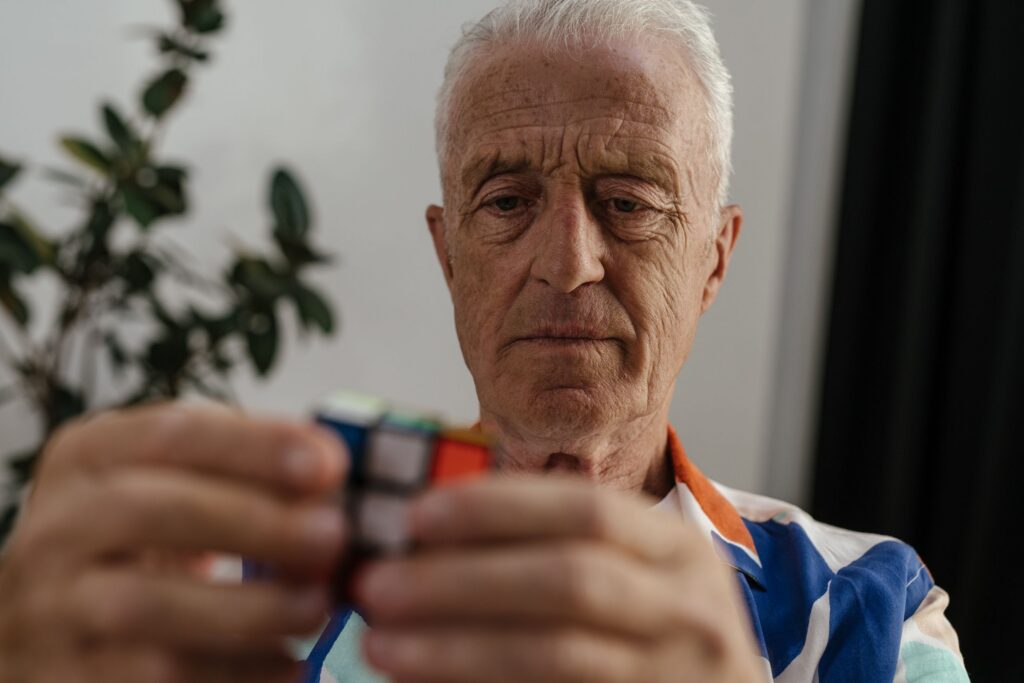
WHO Unveils Updated Guidelines to Combat Rising Dementia Rates Worldwide
The World Health Organization (WHO) has officially launched the second edition of its Guidelines on Risk Reduction of Cognitive Decline and Dementia, marking a significant update to global recommendations for preserving brain health as the world’s population ages.
Released during a global webinar on 16 July 2026, the updated guidelines arrive at a critical moment. Dementia currently affects more than 55 million people worldwide, with nearly 10 million new cases diagnosed each year. As life expectancy rises across both developed and developing nations, the global burden of dementia is projected to triple by 2050 unless effective prevention strategies are widely implemented.
Why Prevention Matters More Than Ever
With no widely accessible disease-modifying treatments or cure currently available for most forms of dementia, prevention and risk reduction across the life course remain the most effective strategies to reduce future incidence. The updated WHO guidelines reflect the latest scientific evidence and provide comprehensive, practical recommendations to support countries, health systems, and communities in integrating dementia risk reduction into policies and programmes.
“Dementia is a leading cause of disability and dependency among older adults worldwide, with significant impacts on individuals, families, and health systems,” WHO stated during the launch event, which featured people with lived experience, scientific experts, and country representatives.
Key Updates in the Second Edition
Building on the landmark 2019 edition, the second edition incorporates emerging evidence on several critical risk factors. While the full text of the updated guidelines is being released, experts highlight several key areas where the evidence has strengthened significantly:
Physical Activity
Regular physical activity remains one of the most powerful interventions for cognitive health. Updated evidence confirms that both aerobic exercise and resistance training in midlife are associated with a 30–40% reduction in dementia risk. WHO now recommends at least 150 minutes of moderate-intensity aerobic activity per week for adults, alongside muscle-strengthening activities on two or more days per week.
Cardiovascular Risk Management
Managing hypertension, diabetes, and high cholesterol from midlife onward has become even more strongly linked to dementia risk reduction. New longitudinal studies suggest that treating hypertension in people aged 40–65 may reduce dementia risk by up to 15%, making blood pressure control one of the highest-impact preventive measures available.
Diet and Nutrition
The Mediterranean diet and similar dietary patterns rich in fruits, vegetables, whole grains, fish, and healthy fats continue to show protective effects against cognitive decline. Updated evidence reinforces that what we eat in our 40s, 50s, and 60s significantly influences brain health in later decades.
Hearing Loss Management
Perhaps one of the most significant additions since the 2019 guidelines is the strengthened recommendation around hearing loss. Hearing impairment in midlife is now considered one of the largest modifiable risk factors for dementia, with studies suggesting that treating hearing loss could prevent up to 8% of dementia cases. WHO now explicitly recommends regular hearing checks and timely use of hearing aids.
Smoking Cessation and Alcohol Reduction
Updated evidence continues to confirm that smoking cessation at any age reduces dementia risk. Similarly, reducing alcohol consumption — ideally to no more than two standard drinks per day and fewer than five drinking days per week — is associated with better cognitive outcomes in later life.
Social Engagement and Cognitive Stimulation
Staying socially active and engaging in mentally stimulating activities throughout life remain important protective factors. The updated guidelines highlight the importance of lifelong learning, community engagement, and maintaining strong social networks.
What This Means for You
The message from WHO is clear: it is never too early — or too late — to start protecting your brain health. Many of the same lifestyle factors that protect against heart disease, diabetes, and certain cancers also protect against cognitive decline.
Practical steps individuals can take today include:
- Stay active — Aim for 30 minutes of moderate exercise most days of the week
- Eat well — Adopt a Mediterranean-style diet rich in vegetables, fruits, legumes, and fish
- Manage your health — Keep blood pressure, blood sugar, and cholesterol in check
- Protect your hearing — Get regular hearing checks and use hearing aids if needed
- Stay connected — Maintain social relationships and engage with your community
- Challenge your brain — Learn new skills, read, play games, or take up new hobbies
- Avoid tobacco — Quit smoking at any age to reduce your risk
- Limit alcohol — Stick to recommended drinking guidelines
Global and National Action Needed
While individual actions matter, WHO emphasises that governments and health systems must create environments that make healthy choices accessible. The updated guidelines call on countries to integrate dementia risk reduction into national noncommunicable disease strategies, primary healthcare systems, and health promotion campaigns.
Dementia is not an inevitable part of ageing. With the right policies, public health interventions, and individual choices, we can significantly reduce the global burden of cognitive decline and dementia in the decades ahead.
Frequently Asked Questions
Can dementia really be prevented?
While not all cases of dementia can be prevented — particularly those with strong genetic components — research suggests that up to 40% of dementia cases could be delayed or prevented by addressing modifiable risk factors throughout life.
What is the difference between cognitive decline and dementia?
Cognitive decline refers to a gradual worsening of cognitive abilities such as memory, attention, and problem-solving that can occur with normal ageing. Dementia is a more severe decline that interferes significantly with daily life and independence. Mild cognitive impairment (MCI) sits between the two.
At what age should I start worrying about dementia prevention?
According to WHO, risk accumulates across the entire lifespan. However, midlife (ages 40–65) is a particularly critical window for managing cardiovascular risk factors, as damage accumulated during this period significantly influences late-life cognitive health.
Does brain training work?
Some evidence supports the benefits of cognitive training for maintaining specific mental skills, but the strongest protective effects come from a combination of physical activity, social engagement, and managing overall health rather than brain-training apps alone.
How do I get the full WHO guidelines?
The complete second edition of the WHO Guidelines on Risk Reduction of Cognitive Decline and Dementia is available through the WHO website. The launch webinar on 16 July 2026 included sessions in English with French, Portuguese, and Spanish interpretation.

Medical Disclaimer
The information provided on this website is for general informational purposes only and is not intended as medical advice. Always consult with a qualified healthcare professional for medical advice, diagnosis, or treatment. Never disregard professional medical advice or delay in seeking it because of something you have read on this website.