
More Young Women Are Developing Type 2 Diabetes: What the New Study Reveals
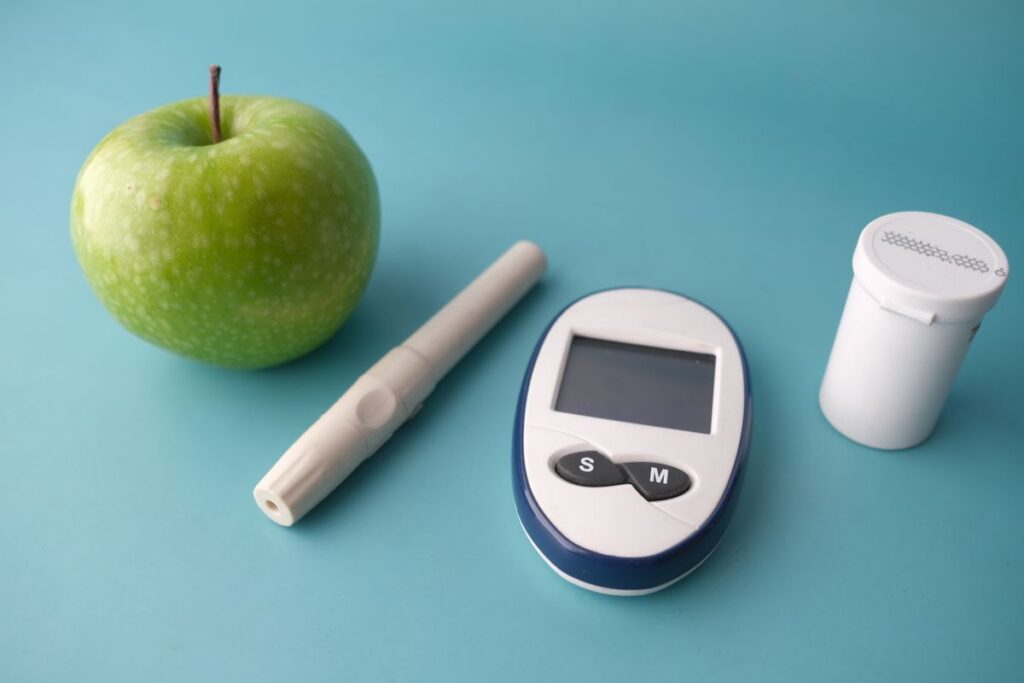
Type 2 Diabetes on the Rise in Young Women: What You Need to Know
A major new study from Imperial College London has revealed a “worrying increase” in the number of women in their twenties developing type 2 diabetes, prompting urgent calls for earlier detection and better prevention strategies.
Published in The Lancet Diabetes & Endocrinology, the research shows that type 2 diabetes — a condition historically associated with older adults — is now accelerating rapidly among younger populations, with some of the sharpest rises seen in women aged 20 to 29.
The Scale of the Problem
In the United Kingdom alone, approximately six million people are living with diabetes. Around 90% of those cases are type 2 diabetes rather than type 1, the insulin-dependent form of the disease.
While older adults still account for the largest share of new diagnoses, the data reveals a clear and concerning shift: rates of type 2 diabetes are declining slightly among older age groups but climbing steeply in people under 40.
Between 2019 and 2025, obesity rates — a key driver of type 2 diabetes — rose by 16% in people aged 20 to 29 and nearly 20% in those aged 30 to 39. During the same period, obesity rates actually fell among adults aged 60 to 79.
Why Early-Onset Diabetes Is More Dangerous
One of the most alarming findings from the Imperial College research is that type 2 diabetes diagnosed at a younger age tends to be more aggressive. According to Diabetes UK, early-onset type 2 diabetes carries a higher risk of severe complications, including:
- Heart attacks and strokes — the risk increases significantly with earlier disease onset
- Kidney disease — longer exposure to high blood sugar damages the kidneys over time
- Vision loss — diabetic retinopathy can develop more rapidly in younger patients
- Nerve damage — peripheral neuropathy affects quality of life and mobility
- Reduced life expectancy — the disease can shorten lives when it develops early
“We think that the earlier onset of severe obesity in young people is increasing their type 2 diabetes risk in early life and pulling down their age at diagnosis,” said lead researcher Dr. Shivani Misra. “This is really worrying given the poor health outcomes from early-onset type 2 diabetes.”
Beyond Ethnic Minority Groups
Historically, type 2 diabetes in younger people has been associated with certain ethnic minority groups considered to be at higher risk. However, the new data suggests this public health challenge is broadening across all populations.
“We now see that incidence is also increasing in white populations too, showing that this public health challenge is broadening across the generations,” Dr. Misra added.
This widening demographic shift means that no population group can afford to be complacent about type 2 diabetes risk.
Symptoms to Watch For
The most common symptoms of type 2 diabetes include:
- Feeling very tired or fatigued
- Urinating more frequently than usual
- Feeling thirsty all the time
- Blurred vision
- Slow-healing cuts or wounds
- Unexplained weight loss
Many people with early type 2 diabetes experience no symptoms at all, which is why routine screening is crucial — especially for those with risk factors such as a family history of diabetes, being overweight, or having a sedentary lifestyle.
Diabetes and Pregnancy: A Critical Connection
The study also highlights the important link between gestational diabetes — diabetes diagnosed during pregnancy — and the subsequent development of type 2 diabetes. Diabetes UK says better follow-up care needs to be offered to women diagnosed with gestational diabetes, as it significantly increases the risk of type 2 diabetes after childbirth.
Can Type 2 Diabetes Be Reversed?
One hopeful finding is that type 2 diabetes can sometimes be put into remission through intensive lifestyle changes. Eating a healthy diet, maintaining a healthy weight, and staying physically active can help some people achieve normal blood sugar levels without relying on glucose-lowering medications.
The researchers also note that newer obesity treatments — such as GLP-1 receptor agonists available as injections and pills — may offer additional help alongside traditional dietary advice.
What This Means for Public Health
This study serves as a critical wake-up call for healthcare systems worldwide. The trend of rising type 2 diabetes in younger women reflects broader societal changes in diet, physical activity levels, and obesity rates.
Early detection is vital to prevent long-term organ damage, and health experts are urging younger adults — particularly women in their twenties and thirties — to be aware of their risk factors and seek testing if they have concerns.
Frequently Asked Questions
What is the difference between type 1 and type 2 diabetes?
Type 1 diabetes is an autoimmune condition where the body cannot produce insulin. Type 2 diabetes occurs when the body becomes resistant to insulin or does not produce enough. Type 2 is far more common, accounting for about 90% of all diabetes cases.
At what age should I start getting screened for diabetes?
While routine screening traditionally begins at age 45, the new data suggests younger adults — particularly women in their twenties and thirties with risk factors such as obesity, family history, or a history of gestational diabetes — should discuss earlier screening with their healthcare provider.
Can type 2 diabetes be cured?
There is no cure for type 2 diabetes, but it can be put into remission through significant weight loss, dietary changes, and increased physical activity. Remission means blood sugar levels return to a normal range without medication.
What role does diet play in preventing type 2 diabetes?
Diet is crucial. Reducing intake of sugary drinks, refined carbohydrates, and processed foods while increasing consumption of vegetables, whole grains, lean proteins, and healthy fats can significantly reduce diabetes risk.
Is type 2 diabetes hereditary?
Yes, family history plays an important role. If you have a parent or sibling with type 2 diabetes, your risk is significantly higher. However, lifestyle factors remain the most important modifiable risk factors.
How much exercise do I need to reduce my risk?
The World Health Organization recommends at least 150 minutes of moderate-intensity aerobic activity per week, combined with muscle-strengthening activities on two or more days per week.
Does COVID-19 increase the risk of type 2 diabetes?
Some studies have suggested an increased risk of type 2 diabetes following COVID-19 infection, though the evidence is not yet conclusive. Researchers continue to investigate this link.

Medical Disclaimer
The information provided on this website is for general informational purposes only and is not intended as medical advice. Always consult with a qualified healthcare professional for medical advice, diagnosis, or treatment. Never disregard professional medical advice or delay in seeking it because of something you have read on this website.