Historic US Cyclospora Outbreak: What You Need to Know About the Parasite Linked to Iceberg Lettuce
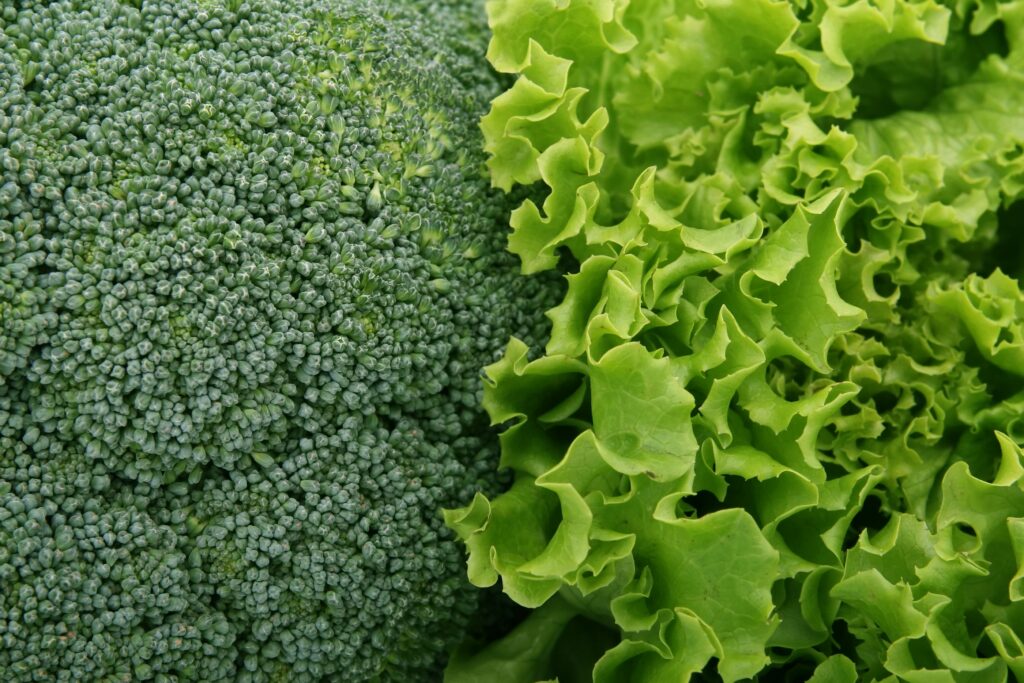
A historic Cyclospora outbreak is sweeping across the United States, with thousands of confirmed cases and an unprecedented number of infections reported across 41 states. The largest recorded Cyclospora outbreak in U.S. history has been linked to iceberg lettuce sourced from central Mexico, prompting major recalls and a public health investigation involving the CDC, FDA, and state health departments.
As of July 2026, the CDC has confirmed 4,173 laboratory-confirmed cases of cyclosporiasis since May 1, with more than 7,400 additional cases under investigation. Many of these additional cases have been reported in Michigan and Ohio, where the outbreak has hit hardest.
What Is Cyclospora?
Cyclospora cayetanensis is a microscopic parasite that causes cyclosporiasis, an intestinal illness. When a person ingests food or water contaminated with the parasite, they typically develop gastrointestinal symptoms within one week — though onset can range from just two days to more than two weeks after exposure.
The parasite is notoriously difficult to detect in food samples, which has complicated the investigation. Dr. Francisco Diez-Gonzalez, director of the Center for Food Safety at the University of Georgia, told the BBC that finding Cyclospora in a lettuce sample is “literally like looking for a needle in a haystack.”
Outbreak Timeline and Key Developments
- May 13, 2026: First infections detected by the FDA
- July 17, 2026: Taylor Farms de Mexico recalls all iceberg lettuce sourced from central Mexico
- Late July 2026: CDC publishes its highest tally of cyclosporiasis, confirming over 4,100 cases
- Recalls triggered: Major retailers including Walmart, Jack in the Box, and Taco Bell pull affected products
The investigation hit a notable complication when the FDA announced a positive test on an iceberg lettuce sample from Taylor Farms, only to retract it less than 24 hours later, citing a false positive. Experts say this underscores the difficulty of laboratory testing for Cyclospora, which requires multiple rounds of testing to confirm findings.
Where Has the Outbreak Hit Hardest?
Michigan has seen the most cases nationwide, with over 7,000 reported. In Monroe County alone — a rural community of approximately 154,000 people on the state’s eastern boundary — 286 confirmed cases have been documented. Residents describe widespread anxiety and disruption to daily life.
“I was absolutely in pain,” said Nick Palmiter, a 29-year-old Monroe County resident who experienced symptoms so severe he was sent directly from urgent care to the emergency room. “I was probably using the bathroom at least 15 to 20 times a day.”
The outbreak has spread across 41 states, with cases ranging in age from 2 to 95 years. The median age of those affected is 44, and 56% of confirmed cases are female. The median illness onset date is June 26, 2026.
Symptoms to Watch For
The symptoms of cyclosporiasis can be severe and long-lasting. Common symptoms include:
- Watery diarrhea (often described as explosive)
- Loss of appetite and significant weight loss
- Severe stomach cramping and bloating
- Increased gas and nausea
- Fatigue that can persist for weeks
Without treatment, symptoms can last anywhere from a few days to a month or longer. Even with treatment, recovery may be slow, and some patients report lingering gastrointestinal discomfort.
How Is Cyclosporiasis Treated?
Cyclosporiasis is treatable with a specific antibiotic (trimethoprim-sulfamethoxazole). Early diagnosis is important, but routine stool tests do not always screen for Cyclospora, so patients experiencing symptoms should specifically request testing for the parasite.
Healthcare providers are urged to report cases to their local health departments according to local reporting practices.
What Foods Are Affected?
The primary suspect in the multistate outbreak is iceberg lettuce from central Mexico supplied by Taylor Farms. The recall includes:
- Iceberg lettuce sold at retail stores (including Marketside brand at Walmart)
- Lettuce products distributed to food service customers
- Multiple lots in various package types
- Distribution across at least 27 states
Raspberries have also been identified as a food to watch, though the primary investigation continues to focus on iceberg lettuce.
What Should Consumers Do?
The CDC and FDA recommend the following steps:
- Do not eat any recalled lettuce — throw it away or return it to the store
- Wash items and surfaces that may have touched the recalled lettuce using hot soapy water or a dishwasher
- Wash hands thoroughly before handling food
- Cook produce to at least 158°F (70°C) — cooking kills the parasite
- Wash all fresh produce thoroughly under running water before eating
Since washing alone cannot guarantee Cyclospora removal, cooking is the most reliable way to eliminate the parasite.
Frequently Asked Questions
What is Cyclospora?
Cyclospora cayetanensis is a microscopic, single-celled parasite that causes intestinal illness when ingested through contaminated food or water.
How long does it take to get sick after exposure?
Symptoms usually begin about one week after infection, though the incubation period ranges from 2 days to 2 weeks or more.
Can Cyclospora be killed by washing?
Washing reduces but does not eliminate Cyclospora. Cooking produce to at least 158°F (70°C) is the only reliable way to kill the parasite.
Is the outbreak still active?
Yes. The CDC is reporting weekly surveillance data and continues to investigate clusters of cases. Case counts are expected to rise as more reports are confirmed.
What should I do if I have symptoms?
Contact your healthcare provider and specifically request testing for Cyclospora. Stay well-hydrated and avoid preparing food for others while symptomatic.
Bottom Line
This is the largest Cyclospora outbreak ever recorded in the United States, and it continues to grow. With more than 11,500 suspected and confirmed cases combined, and the source linked to widely distributed iceberg lettuce, public health officials are urging vigilance. The CDC, FDA, and state partners continue their investigation, but the complexity of detecting Cyclospora in food samples means a definitive source may take time to confirm.
For now, the safest approach is to check your refrigerator for recalled lettuce products, cook produce when possible, and seek medical attention if you develop symptoms of cyclosporiasis.

Medical Disclaimer
The information provided on this website is for general informational purposes only and is not intended as medical advice. Always consult with a qualified healthcare professional for medical advice, diagnosis, or treatment. Never disregard professional medical advice or delay in seeking it because of something you have read on this website.