Largest Cyclospora Outbreak in US History: What You Need to Know
A Historic Public Health Emergency
The United States is currently grappling with the largest outbreak of cyclosporiasis in its history, with more than 4,100 laboratory-confirmed cases across 41 states and over 7,400 additional suspected cases under investigation. The outbreak, traced in part to iceberg lettuce sourced from central Mexico, has triggered widespread food recalls, emergency room visits, and growing public anxiety — particularly in the hardest-hit states of Michigan and Ohio.
Health officials at the U.S. Centers for Disease Control and Prevention (CDC) and the Food and Drug Administration (FDA) have been working around the clock to identify the source of contamination and prevent further spread. However, the elusive nature of the Cyclospora parasite has made this investigation unusually challenging.
What Is Cyclosporiasis?
Cyclosporiasis is an intestinal illness caused by the microscopic parasite Cyclospora cayetanensis. When a person ingests food or water contaminated with the parasite, symptoms typically appear within one to two weeks. These can include:
- Watery diarrhoea — often described as “explosive” and frequent, sometimes 15 to 20 times per day
- Stomach cramps and bloating
- Nausea and vomiting
- Loss of appetite and weight loss
- Low-grade fever and fatigue
- Muscle aches
If left untreated, symptoms can persist for weeks or even months, often cycling between periods of improvement and relapse. The infection is treatable with a specific antibiotic, but many people — particularly those without easy access to healthcare — may suffer through the illness without seeking medical attention.
The Scale of the 2026 Outbreak
According to the CDC’s latest surveillance data published July 24, 2026, the outbreak has already surpassed all previous records:
- 4,173 confirmed laboratory cases since May 1, 2026
- 7,400+ additional cases reported by state and local health departments but not yet lab-confirmed
- 41 states affected, with Michigan and Ohio reporting the highest numbers
- Hospitalisations have been reported, though exact figures are still being compiled
- Age range of patients: 2 to 95 years, with a median age of 44
- 56% of cases are female
The CDC notes a six-week reporting lag between illness onset and case reporting, meaning the true number of infections is almost certainly higher than current figures suggest.
What Is the Source?
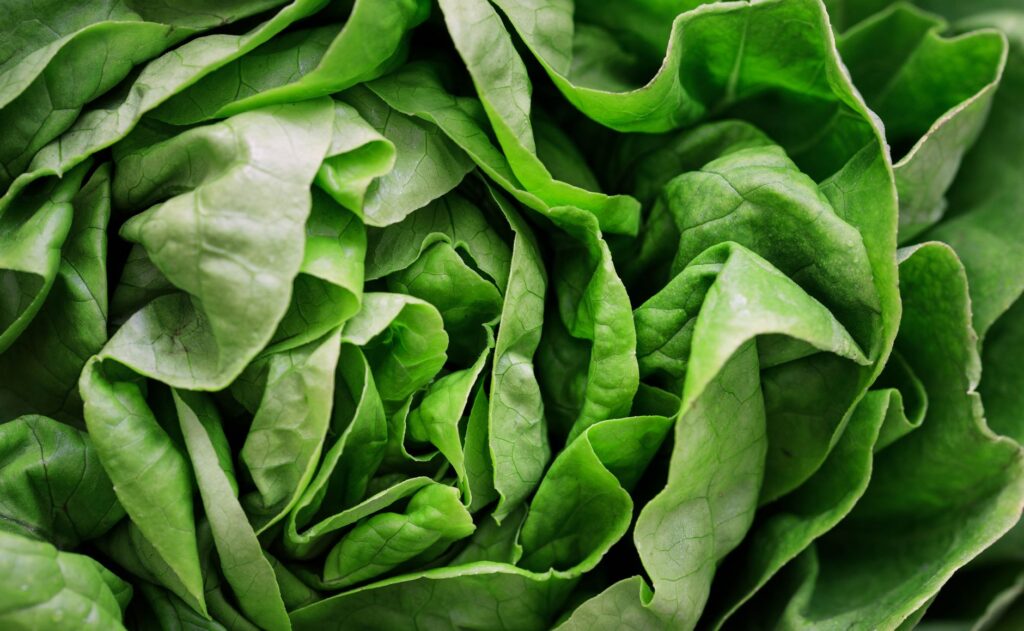
FDA investigations have pointed to Taylor Farms as a possible source of the contamination. On July 17, 2026, the company voluntarily recalled all iceberg lettuce sourced from central Mexico. The recall includes lettuce sold at retail stores and served in restaurants across the country.
Major retailers and food chains — including Walmart, Jack in the Box, and Taco Bell — have pulled potentially affected products from shelves “out of an abundance of caution.” The recall primarily targets iceberg lettuce, though investigators have not ruled out other produce items.
The investigation briefly appeared to reach a breakthrough when the FDA announced that an iceberg lettuce sample from Taylor Farms tested positive for Cyclospora. However, the agency retracted that finding less than 24 hours later, confirming it was a false positive.
“We’re dealing with a pathogen that is really hard to work in the laboratory,” said Dr. Francisco Diez-Gonzalez, director of the Center for Food Safety at the University of Georgia. “Finding a few cysts of Cyclospora in a lettuce sample is literally like looking for a needle in a haystack.”
Why Cyclospora Is So Difficult to Track
Unlike bacteria such as Salmonella, Cyclospora cannot be traced using whole genome sequencing, which makes it significantly harder for investigators to link cases to a common food source. The parasite also has a long incubation period — symptoms can take up to two weeks to appear — making it difficult for patients to accurately recall what they ate before falling ill.
The CDC is using targeted genetic testing on stool samples to group related cases and prioritise traceback investigations. However, the lack of advanced molecular tools for this pathogen remains a significant barrier.
Public Response and Misinformation
In Monroe County, Michigan — one of the hardest-hit areas with 286 confirmed cases in a population of just 154,000 — the mood is one of anxiety and frustration. Residents have been clearing their refrigerators of all produce, and social media chat boards are filled with worried parents and concerned community members.
One local farmer, Brian Clare, described his experience to the BBC: “This is the most painful thing I’ve ever been through in my life. When you think you gotta go, you got less than two minutes. It’s going no matter what.”
The confusion was compounded when Health Secretary Robert F. Kennedy Jr. declared the outbreak “under control” on the same day the CDC reported its highest case tally yet — a contradiction that has further eroded trust in the government’s response.
How to Protect Yourself
While the investigation continues, health officials recommend the following precautions:
- Wash all fruits and vegetables thoroughly under running water before eating, cutting, or cooking
- Cook produce when possible — heating kills the Cyclospora parasite
- Avoid raw produce from sources linked to the recall (check for Taylor Farms iceberg lettuce)
- Check for recall notices on the FDA website before purchasing lettuce or salad mixes
- Seek medical attention if you experience prolonged diarrhoea, especially if it is severe or accompanied by dehydration
- Practice good hand hygiene — wash hands with soap and water after handling raw produce
Frequently Asked Questions (FAQ)
Can Cyclosporiasis be treated?
Yes. Cyclosporiasis is treatable with a specific antibiotic (trimethoprim-sulfamethoxazole). Early treatment can significantly reduce symptom duration and severity. Consult your healthcare provider if you suspect infection.
Is the outbreak still ongoing?
Yes. The CDC reports that new cases continue to be identified, and the investigation remains active. With a six-week reporting lag, case counts are expected to rise further.
Can I get Cyclosporiasis from cooked food?
No. The Cyclospora parasite is killed by heat. Properly cooking food eliminates the risk of infection from contaminated produce.
How long does Cyclosporiasis last?
Without treatment, symptoms can persist for several weeks to months, often with a relapsing pattern. With appropriate antibiotic treatment, symptoms usually resolve within days.
Should I stop eating lettuce and salad?
While iceberg lettuce from central Mexico has been recalled, not all lettuce is affected. Check labels for origin and recall information. When in doubt, cook your produce or choose alternatives until the source is definitively identified.
Looking Ahead
Health authorities continue to investigate the outbreak with the hope of identifying the definitive source. The CDC is publishing weekly surveillance updates — a step it does not normally take — reflecting the unprecedented scale of this public health emergency.
For now, the message from health officials is clear: stay informed, practice food safety, and do not hesitate to seek medical care if symptoms develop.

Medical Disclaimer
The information provided on this website is for general informational purposes only and is not intended as medical advice. Always consult with a qualified healthcare professional for medical advice, diagnosis, or treatment. Never disregard professional medical advice or delay in seeking it because of something you have read on this website.