CDC Expands Cyclospora Outbreak to 15 States: 6,358 Cases Linked to Iceberg Lettuce
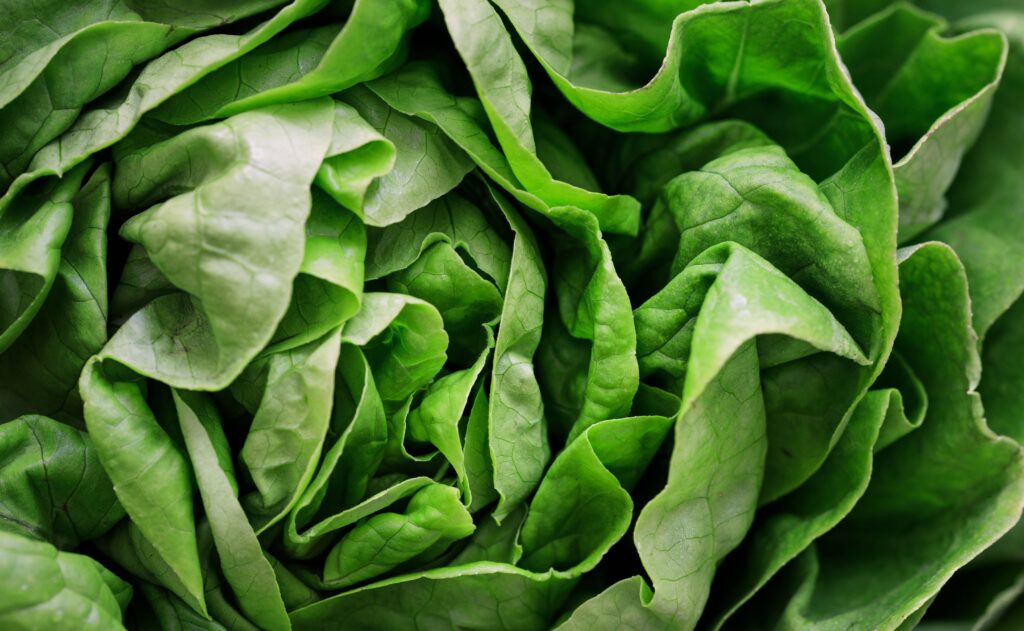
The Centers for Disease Control and Prevention (CDC) has expanded its investigation of the 2026 cyclospora outbreak to 15 states, with 6,358 confirmed cases, 278 hospitalizations, and two deaths linked to contaminated iceberg lettuce. The outbreak — the largest known cyclosporiasis outbreak on record — has been traced to shredded iceberg lettuce from Taylor Farms de Mexico, including lettuce served at Taco Bell locations and sold as Marketside-brand product at select Walmart stores.
Federal health officials, including the CDC, the U.S. Food and Drug Administration (FDA), and state partners, continue to investigate as the recall widens. This cyclospora outbreak update covers what we know so far, the symptoms to watch for, and how to protect yourself and your family.
What is cyclosporiasis?
Cyclosporiasis is an intestinal illness caused by the microscopic parasite Cyclospora cayetanensis. People become infected after consuming food or water contaminated with the parasite. Unlike many foodborne pathogens, Cyclospora does not spread directly from person to person.
The parasite is frequently found on fresh produce — especially leafy greens, herbs, and berries — grown in tropical and subtropical regions, where contaminated water or soil can taint crops before harvest.
Cyclospora outbreak at a glance
- Cases: 6,358 laboratory-confirmed
- Hospitalizations: 278
- Deaths: 2
- States: 15 (six newly added)
- Source: shredded iceberg lettuce from Taylor Farms de Mexico
- Illness onset: began June 22, 2026
Timeline: how the outbreak unfolded
- June 22, 2026: first illnesses begin
- July 13: more than 400 cases reported from four states
- July 14: CDC issues a Health Alert Network (HAN) notice to healthcare providers
- July 17: Taylor Farms initiates a recall of all iceberg lettuce sourced from central Mexico
- July 18: CDC confirms 1,644 cases across five states
- August 4–5: CDC expands the investigation to 15 states; case count reaches 6,358
Recalled lettuce: what you need to know
On July 17, 2026, Taylor Farms de Mexico recalled all iceberg lettuce sourced from central Mexico. The recall covers:
- Multiple lots and package types
- Marketside-brand iceberg lettuce sold at select Walmart stores
- Shredded iceberg lettuce served at Taco Bell locations in Indiana, Kentucky, Michigan, Ohio, and West Virginia
- Product distributed to consumers, restaurants, and retailers in at least 27 states
The best-by dates on recalled products have now passed, and the lettuce should no longer be available in stores or restaurants. If you still have recalled lettuce at home, do not eat it — throw it away or return it.
Symptoms of cyclosporiasis
Symptoms usually begin about one week after exposure, though they can appear anywhere from two days to two weeks or more later. Common symptoms include:
- Watery diarrhea
- Fatigue
- Loss of appetite and weight loss
- Abdominal cramping
- Bloating and increased gas
- Nausea
Without treatment, symptoms can last from a few days to more than a month — and they can sometimes relapse. Because routine stool tests do not always screen for Cyclospora, tell your healthcare provider if you think you may have been exposed.
When to see a doctor
Seek medical care if you develop watery diarrhea lasting more than a few days, especially if you:
- Ate recalled lettuce or salad at affected restaurant locations
- Show signs of dehydration (dark urine, dizziness, extreme thirst)
- Have a weakened immune system or are pregnant
- Develop a fever or blood in your stool
Treatment for cyclosporiasis
Cyclosporiasis is treatable. The standard treatment is a course of the antibiotic trimethoprim-sulfamethoxazole (TMP-SMX), prescribed by a healthcare provider. Staying well-hydrated is essential, since diarrhea can cause significant fluid loss.
How to protect yourself
- Do not eat recalled iceberg lettuce from Taylor Farms de Mexico — throw it away or return it
- Wash your hands with soap and water before handling food
- Rinse all fresh produce thoroughly under running water before eating, cutting, or cooking
- Remember that washing alone cannot guarantee removal of the parasite — cooking produce to at least 158°F (70°C) kills Cyclospora
- Wash cutting boards, counters, and utensils that touched recalled lettuce with hot, soapy water or in a dishwasher
What CDC recommends
- If you have symptoms, contact your healthcare provider and ask about testing for Cyclospora
- Stay well-hydrated if you are ill
- Cooperate with state or local health officials if they contact you about what you ate — every interview helps solve the outbreak
- Monitor CDC and FDA outbreak pages for ongoing updates
Frequently asked questions
Is the cyclospora outbreak still active?
Yes. The investigation remains open as of mid-August 2026. CDC, FDA, and state partners continue to track cases, although the best-by dates on recalled lettuce have passed and the product should no longer be in stores or restaurants.
Can cyclospora spread from person to person?
No. Cyclospora cayetanensis does not spread directly from person to person. Infection occurs when someone consumes food or water contaminated with the parasite.
How long after eating contaminated lettuce do symptoms start?
Symptoms typically begin about one week after exposure, but the incubation period can range from two days to two weeks or more.
What should I do if I still have recalled lettuce at home?
Do not eat it. Throw it away or return it to the store. Wash any surfaces, containers, and utensils that may have touched the lettuce with hot, soapy water or in a dishwasher.
Does washing lettuce remove Cyclospora?
Washing reduces risk but cannot guarantee removal of the parasite. Cooking produce to at least 158°F (70°C) is the only reliable way to kill Cyclospora.
Who is most at risk of severe illness?
People with weakened immune systems, older adults, and young children are at higher risk of more severe or prolonged illness. Anyone with persistent diarrhea should see a healthcare provider promptly.
Sources: CDC Cyclosporiasis Outbreak Investigation (August 5, 2026), FDA outbreak investigation, Washington State Department of Health.

Medical Disclaimer
The information provided on this website is for general informational purposes only and is not intended as medical advice. Always consult with a qualified healthcare professional for medical advice, diagnosis, or treatment. Never disregard professional medical advice or delay in seeking it because of something you have read on this website.