
Ultra-Processed Foods Linked to 30% Higher Prostate Cancer Risk, New Study Finds
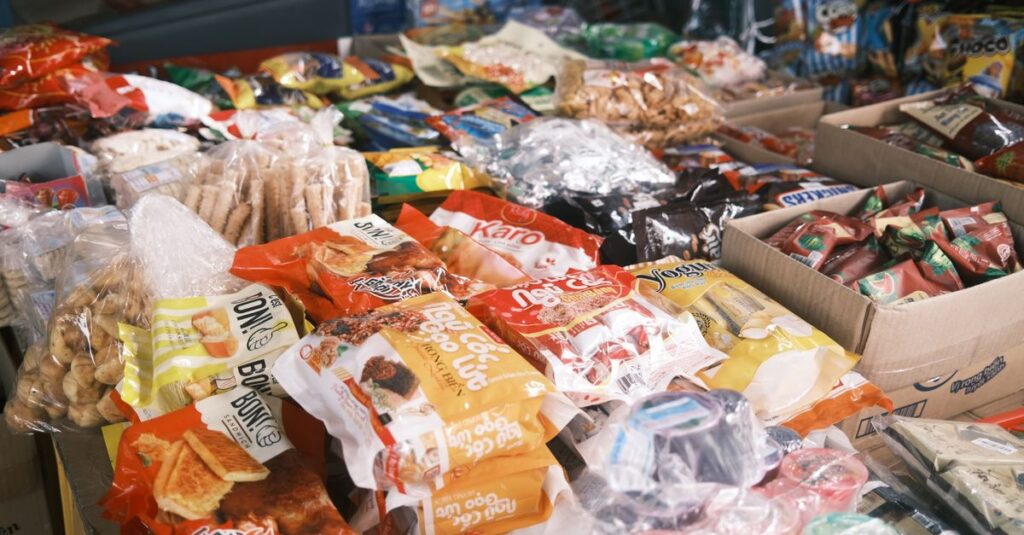
Men who eat large amounts of ultra-processed foods may face up to a 30% higher risk of prostate cancer, according to a major new study of more than 17,000 American men published in The American Journal of Medicine. The research — led by Florida Atlantic University’s Charles E. Schmidt College of Medicine — is among the first large, nationally representative studies to link ultra-processed food consumption specifically to prostate cancer, the most commonly diagnosed cancer in men in the United States.
The findings add to a fast-growing body of evidence that industrially produced foods such as soft drinks, packaged snacks, breakfast cereals and processed meats carry significant long-term health risks, and they give men another clear reason to look carefully at what is on their plate.
What the study found
Researchers analyzed data from 17,024 U.S. men aged 18 and older who took part in the National Health and Nutrition Examination Survey (NHANES) between 2003 and 2023 — a nationally representative sample of the American population. Each participant completed two 24-hour dietary recalls, and the team calculated what share of daily calories came from ultra-processed foods using the validated NOVA food classification system.
- Men in the three highest ultra-processed food intake groups had a 29% greater risk of prostate cancer than men in the lowest group.
- Men in the two highest consumption groups had a 30% greater risk.
- After adjusting for age, race and ethnicity, smoking and poverty status, the increased risk ranged from 24% to 31%.
- Men in the single highest intake group showed a possible 34% increase in risk, although that result did not reach statistical significance, likely because of the smaller number of prostate cancer cases in that group.
What counts as ultra-processed food?
Ultra-processed foods are industrially manufactured products made with refined fats, oils, sugars, starches, salts and additives designed to improve flavor, texture and shelf life — often at the cost of nutritional quality. Common examples include:
- Soft drinks and sweetened beverages
- Packaged snacks, chips and crackers
- Breakfast cereals and granola bars
- Processed meats such as sausages, hot dogs and deli meats
- Instant noodles, frozen meals and packaged baked goods
These products now supply nearly 60% of the calories consumed by U.S. adults and about 70% of the calories consumed by children.
Why ultra-processed foods may raise cancer risk
Scientists have proposed several ways ultra-processed foods could contribute to cancer. These include disruptions to normal metabolism, increased inflammation and oxidative stress, and harmful changes to the gut microbiome. Additives, advanced glycation products formed during processing, and contaminants from packaging may also play a role. The new study does not prove cause and effect — it identifies a strong association — but it aligns with a wider pattern of research.
Previous studies have linked higher ultra-processed food intake with overweight and obesity, metabolic disease, inflammatory markers, cardiovascular disease — especially heart attacks and strokes — and premature death.
Prostate cancer: a major burden
Prostate cancer is the most commonly diagnosed cancer in American men and the second leading cause of cancer death among men after lung cancer. The American Cancer Society estimates that more than 333,000 men in the United States will be diagnosed with prostate cancer in 2026, and more than 36,000 will die from the disease. Worldwide, nearly 1.5 million men were diagnosed with prostate cancer in 2022, and almost 400,000 died from it.
What the researchers say
Senior author Dr. Charles H. Hennekens, the First Sir Richard Doll Professor of Medicine and Preventive Medicine at FAU, said the findings add to emerging evidence that ultra-processed foods have major adverse health effects — and underscore the need for large-scale observational studies and randomized trials to test the hypothesis rigorously.
The researchers compare the situation to tobacco: evidence about the dangers of cigarettes began accumulating decades before public health policy caught up. They believe ultra-processed foods may follow a similar trajectory.
Co-author Dr. Timothy De Ver Dye, chair of FAU’s Department of Population Health, pointed out that reducing consumption is a complex public health challenge. Many patients face real barriers to accessing and affording healthier food, and solutions will need to extend beyond individual choices to improve access to nutritious, minimally processed options.
Practical steps to cut back
- Build meals around whole foods: vegetables, fruits, legumes, nuts, whole grains and lean proteins.
- Swap sugary drinks for water, sparkling water or unsweetened tea.
- Choose minimally processed snacks like fruit, yogurt, nuts or vegetable sticks.
- Read ingredient lists — if a product contains a long list of unfamiliar additives, it is likely ultra-processed.
- Cook at home more often, and buy frozen vegetables and staples in bulk to keep costs down.
Limitations of the study
Because this was an observational study, it cannot prove that ultra-processed foods cause prostate cancer. Dietary recall data relies on self-reporting, and other unmeasured factors may influence the results. The authors emphasize the need for randomized trials and further research — while noting the association remained significant even after adjustment for major risk factors.
Frequently Asked Questions
How much do ultra-processed foods increase prostate cancer risk?
In this study of 17,024 U.S. men, those in the higher intake groups had a 24% to 31% greater risk of prostate cancer after adjustment for age, race and ethnicity, smoking and poverty — roughly 29% to 30% overall compared with the lowest intake group.
What are the most common ultra-processed foods?
Soft drinks, packaged snacks and chips, breakfast cereals, instant noodles, processed meats, frozen meals and packaged baked goods are among the most common.
Does this study prove ultra-processed foods cause prostate cancer?
No. It is an observational study that shows a strong association, not proof of cause and effect. Researchers are calling for randomized trials to confirm the link.
What should men do with this information?
Experts recommend reducing ultra-processed food intake as part of a broader healthy lifestyle, alongside regular check-ups and evidence-based cancer screening discussions with a healthcare provider.
Where was this study published?
The study was published in The American Journal of Medicine (DOI: 10.1016/j.amjmed.2026.07.043) and led by researchers at Florida Atlantic University’s Charles E. Schmidt College of Medicine.
Disclaimer: This article is for informational purposes only and does not constitute medical advice. Always consult a qualified healthcare professional about diet, screening and treatment decisions.

Medical Disclaimer
The information provided on this website is for general informational purposes only and is not intended as medical advice. Always consult with a qualified healthcare professional for medical advice, diagnosis, or treatment. Never disregard professional medical advice or delay in seeking it because of something you have read on this website.