Ebola Outbreak in DR Congo Passes 6,700 Cases: What Health Professionals Need to Know
Ebola in DR Congo: Cases Pass 6,700 as the World’s Second-Largest Outbreak on Record Continues
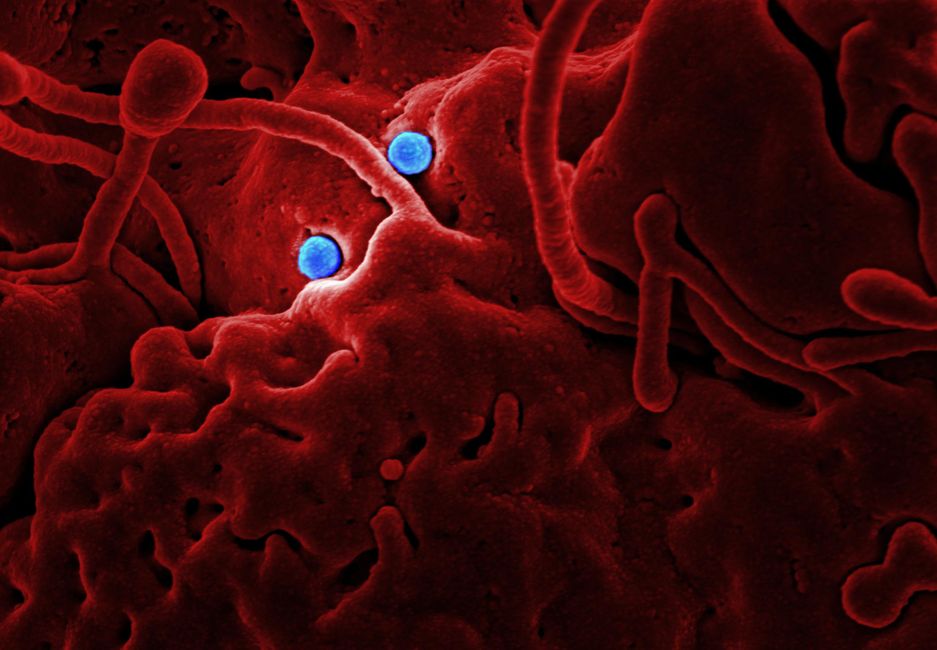
The Ebola disease outbreak in the Democratic Republic of the Congo (DRC) continues to escalate, with confirmed cases now exceeding 6,700 and more than 3,200 deaths reported since the outbreak was declared in May 2026. Caused by the Bundibugyo virus — a less familiar member of the Ebola family for which no approved vaccine or treatment exists — the epidemic has already become the second-largest Ebola outbreak ever recorded and shows no signs of slowing.
This article explains what health professionals and the public need to know about the current outbreak, why it is different from previous Ebola epidemics, and what it means for global health security and travellers.
What is happening in the DRC right now?
According to the latest situation reports from the European Centre for Disease Prevention and Control (ECDC), the DRC had reported 6,757 confirmed cases and 3,267 related deaths as of 7 September 2026, with 813 patients hospitalised in isolation. More than 1,590 people have recovered.
The outbreak is spreading across eastern and northern DRC, affecting 61 of 151 health zones in six provinces:
- Ituri: 5,406 cases and 2,450 deaths — the epicentre, with 28 of 36 health zones affected
- North Kivu: 1,066 cases and 697 deaths across 16 health zones
- Haut-Uele: 256 cases and 107 deaths across six health zones
- Tshopo: 22 cases and nine deaths
- South Kivu: three cases and one death
- Bas-Uele: four cases and three deaths
The World Health Organization (WHO) declared the outbreak a Public Health Emergency of International Concern (PHEIC) on 16 May 2026, just one day after the DRC Ministry of Health officially confirmed the first cases in Ituri Province.
Why is this outbreak different?
This is the 17th Ebola outbreak in the DRC since 1976, but it is only the third ever caused by the Bundibugyo virus (BDBV). The two previous BDBV outbreaks occurred in Uganda (2007–2008, in the district from which the virus takes its name) and in the DRC (2012, in Isiro).
The critical difference: the vaccines and monoclonal antibody treatments that proved so effective against the Zaire ebolavirus during the 2014–2016 West Africa epidemic and the 2018–2020 DRC outbreak are not approved for Bundibugyo virus. The Ervebo (rVSV-ZEBOV) vaccine and the licensed monoclonal antibody therapies target Zaire ebolavirus only.
With no specific vaccine or antiviral treatment available, clinicians must rely on intensive supportive care — fluid replacement, oxygen support, and close monitoring — alongside rigorous infection prevention and control. The WHO is in discussions about emergency clinical trials to test vaccine candidates against the Bundibugyo virus, as was done successfully during previous outbreaks.
What is driving the spread?
Several factors are making this outbreak exceptionally difficult to control:
- Conflict and insecurity: Ituri and the Kivu provinces are home to multiple armed groups, including the ADF, CODECO and M23, which restrict humanitarian access and displace communities
- Cross-border movement: Ituri is a commercial and mining hub, with heavy population movement into Uganda and beyond, complicating contact tracing
- Diagnostic bottlenecks: PCR testing requires virus-specific kits, which are in short supply for BDBV, slowing case confirmation and isolation
- Cultural practices: traditional burial rituals involving washing and touching the deceased increase transmission risk
- Misinformation and attacks on health workers: responders, particularly burial teams, have faced hostility and violence
More than 160 healthcare workers have been infected during the outbreak, with at least 43 deaths reported by late August — a sobering reminder of the risks faced by frontline staff.
What has happened in neighbouring countries?
Uganda reported 20 confirmed cases and two deaths between May and June 2026, including 15 people who had travelled from the DRC. After a 42-day countdown with no new cases, WHO declared the Uganda outbreak over on 25 August 2026.
A small number of imported cases have been reported further afield. One humanitarian doctor returning from the DRC tested positive in France in June 2026, and two American aid workers were medically evacuated to Germany for treatment. In each case, the individuals were identified quickly and no onward community transmission has been reported.
What is the risk to Australia and other countries?
For Australia and other countries far from the affected region, the risk remains very low. Ebola is not airborne; it spreads through direct contact with the blood or body fluids of an infected person, or with contaminated objects. However, the ongoing outbreak is a reminder that a single international flight can carry an infection across the world.
Australian health authorities and the WHO are monitoring the situation closely. Travellers returning from affected areas of the DRC should monitor their health for 21 days and seek medical attention immediately if they develop fever, headache, muscle pain, vomiting or diarrhoea — advising clinicians of their travel history. Health professionals should maintain a high index of suspicion in any patient with compatible symptoms and relevant travel history.
What can health professionals do?
- Stay up to date with WHO, CDC and ECDC situation reports
- Ask about travel history in patients presenting with fever and gastrointestinal symptoms
- Follow national infection prevention and control guidance, including appropriate PPE
- Report suspected cases to public health authorities immediately
- Counter misinformation with clear, evidence-based communication
Frequently Asked Questions
What is the difference between Ebola virus and Bundibugyo virus?
Both are members of the Ebolavirus genus and cause Ebola disease, but they are different species. Bundibugyo virus (BDBV) is less common, and the licensed vaccines and treatments developed for Zaire ebolavirus do not protect against it.
How is Ebola transmitted?
Through direct contact with blood or body fluids of an infected person or someone who has died from the disease, or through contaminated surfaces and materials. It is not transmitted through air, water or food in general.
Is there a vaccine for this outbreak?
No. Existing approved Ebola vaccines target Zaire ebolavirus only. WHO is working to fast-track clinical trials of candidate vaccines against Bundibugyo virus.
What is the fatality rate?
In the current outbreak the case fatality rate is estimated at around 46–48% in the DRC. Previous Bundibugyo outbreaks had estimated fatality rates of roughly 25–40%, though early outbreak figures can be unreliable.
Should Australians be concerned?
The risk to the Australian public is very low. The greatest concern is for people living in or travelling to affected areas of eastern DRC, who should follow advice from health authorities.
How long is the incubation period?
Symptoms typically appear 2 to 21 days after exposure, which is why contacts are monitored for 21 days.
Sources: WHO, ECDC, CDC, MSF and DRC Ministry of Health situation reports, September 2026. This article is for information purposes and does not constitute medical advice.

Medical Disclaimer
The information provided on this website is for general informational purposes only and is not intended as medical advice. Always consult with a qualified healthcare professional for medical advice, diagnosis, or treatment. Never disregard professional medical advice or delay in seeking it because of something you have read on this website.