DRC Ebola Outbreak: 70,000 Vaccine Doses Deployed as WHO Warns Crisis Growing Exponentially
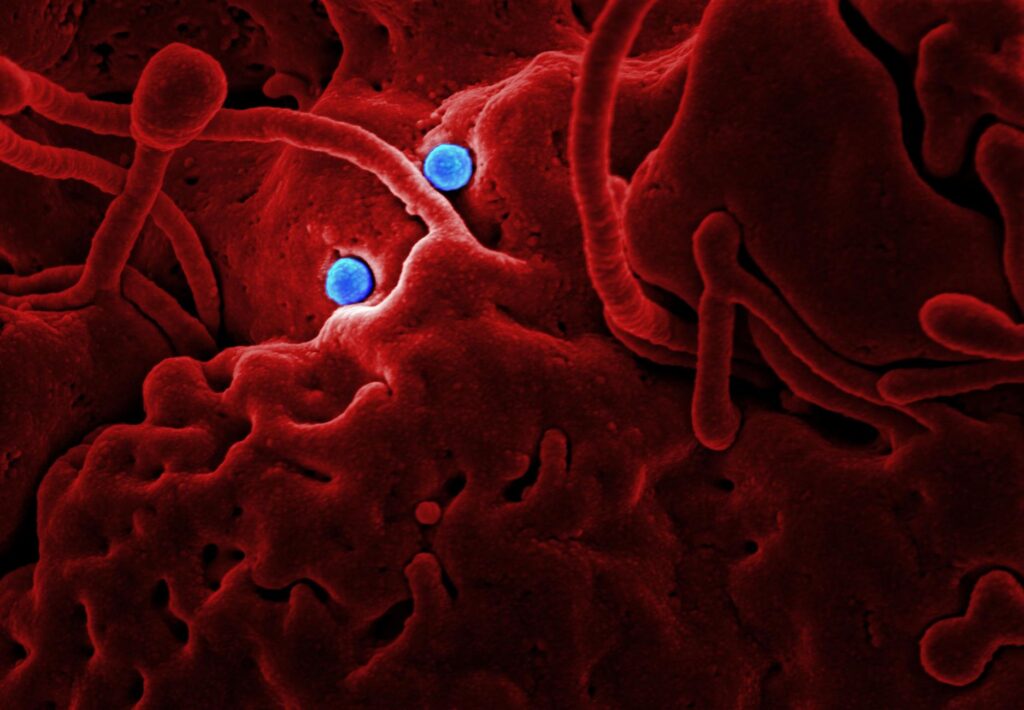
The Democratic Republic of the Congo (DRC) is facing its largest and fastest-spreading Ebola outbreak on record, and the World Health Organization (WHO) has now authorized the deployment of 70,000 doses of Merck’s Ervebo Ebola vaccine to help contain the crisis. With more than 5,200 confirmed cases and at least 2,476 deaths reported, United Nations officials warn the epidemic is “growing exponentially” and risks spilling into neighboring countries.
What is happening in the DRC Ebola outbreak?
The current outbreak, which was officially declared on May 15, 2026, is caused by the Bundibugyo virus — a rare species of Ebola for which there is currently no approved vaccine or specific treatment. The first infections were detected earlier this year in the DRC’s northeastern Ituri province, an area with limited health infrastructure and active armed-group activity.
Since then, the virus has spread rapidly:
- Confirmed cases have surpassed 5,200, with the death toll exceeding 2,476
- The outbreak has spread from Ituri to five other provinces as well as neighboring Uganda
- UN senior Ebola coordinator Julien Harneis said the affected area is now larger than France
- Nearly half of all deaths were reported in the last 20 days alone, indicating accelerating transmission
- Officials describe it as the fastest-spreading Ebola outbreak ever recorded, expanding about three times faster than the 2014–2016 West Africa epidemic that killed around 11,000 people
The outbreak became the DRC’s largest on record in late July, overtaking the previous worst epidemic of 2018–2020.
70,000 Ervebo vaccine doses approved for deployment
In a major escalation of the response, the International Coordinating Group on Vaccine Provision (ICG) has released 70,000 doses of Merck’s Ervebo vaccine for use in the DRC:
- 50,000 doses for frontline and health workers
- 20,000 doses for a Phase 3 clinical trial to assess the vaccine’s impact against the Bundibugyo virus
More than 16,000 doses have already arrived in the country, according to reports. The vaccine, produced in Germany, is currently licensed and recommended only against the Zaire ebolavirus — the strain behind most previous outbreaks. However, early laboratory and animal studies suggest Ervebo may offer some cross-protection against Bundibugyo, and the clinical trial is expected to provide the evidence needed to guide future use.
WHO Director-General Tedros Adhanom Ghebreyesus said this week that the outbreak remains a global emergency, and both the WHO and Africa CDC issued a joint statement pledging united support for the DRC government “to protect affected communities, save lives and bring the Bundibugyo Ebola outbreak to an end.”
Why is this outbreak different?
This epidemic stands apart from previous Ebola events for several critical reasons:
- A different virus species: The Bundibugyo strain has no approved vaccine or treatment, unlike the Zaire strain that Ervebo and other countermeasures target.
- Unprecedented speed: Transmission is expanding roughly three times faster than the devastating 2014–2016 West Africa outbreak.
- Remote and insecure terrain: Much of the transmission is occurring in conflict-affected areas where reaching communities with vaccines, testing and treatment is extremely difficult.
- Cross-border risk: Cases have already been detected in Uganda, and UN officials warn of wider regional spread if containment efforts are not urgently scaled up.
Health authorities have stressed that everyone receiving the vaccine must be fully informed about its potential benefits, risks and limitations, and provide informed consent — particularly those participating in the clinical trial.
How does Ebola spread and what are the symptoms?
Ebola is transmitted between people through direct contact with bodily fluids such as blood, vomit, diarrhea, saliva and semen, as well as through contaminated surfaces and materials. Symptoms typically begin with:
- Sudden fever and fatigue
- Muscle pain and headache
- Vomiting and diarrhea
- In some patients, internal or external bleeding
Early medical care, including rehydration and supportive treatment, significantly improves survival. The international response — including the $242 million pledged by the United States — is focused on ramping up surveillance, vaccination of frontline workers, safe burial practices and community engagement in affected areas.
What does this mean for travelers?
Travelers heading to affected regions of eastern DRC should follow WHO and national health authority guidance, avoid contact with symptomatic individuals, practice strict hand hygiene and seek medical advice before travel. While the overall risk to the general international public remains low, the situation is evolving quickly, and public health agencies continue to monitor transmission closely.
Frequently asked questions about the DRC Ebola outbreak
How many people have died in the DRC Ebola outbreak?
As of August 18, 2026, at least 2,476 people have died among more than 5,200 confirmed cases, according to officials tracking the outbreak.
Is there a vaccine for the Ebola strain in the DRC?
There is no vaccine approved specifically for the Bundibugyo strain causing the current outbreak. However, the WHO has released 70,000 doses of Merck’s Ervebo vaccine — approved for the Zaire strain — for frontline workers and a Phase 3 clinical trial to test whether it protects against Bundibugyo.
Has the Ebola outbreak spread outside the DRC?
Yes. Cases have been reported in neighboring Uganda, and UN officials have warned the outbreak risks spreading further into other countries if containment efforts are not scaled up.
What is the Bundibugyo virus?
Bundibugyo virus is a rare species of Ebola first identified in Uganda in 2007. It causes Ebola disease with similar symptoms to other strains but currently has no approved vaccine or specific treatment.
How is Ebola treated?
There is no cure for Ebola, but supportive care — including fluids, electrolytes, oxygen and treatment of secondary infections — dramatically improves survival. Early isolation and care also reduce transmission.
Should I be worried about traveling to Africa?
The outbreak is concentrated in specific provinces of eastern DRC. Travelers should check current WHO and national travel health guidance for their destination and avoid non-essential travel to active transmission zones.
This article is based on reporting from the World Health Organization, STAT News, DW and Reuters as of August 22, 2026. Public health situations evolve rapidly — always consult official sources for the latest updates.

Medical Disclaimer
The information provided on this website is for general informational purposes only and is not intended as medical advice. Always consult with a qualified healthcare professional for medical advice, diagnosis, or treatment. Never disregard professional medical advice or delay in seeking it because of something you have read on this website.