Ebola Outbreak in DR Congo Declared Public Health Emergency: What Health Professionals Need to Know
WHO Declares DR Congo Ebola Outbreak a Public Health Emergency of International Concern
The World Health Organization (WHO) has declared the ongoing Ebola outbreak in the Democratic Republic of Congo (DRC) a Public Health Emergency of International Concern (PHEIC), as the rare Bundibugyo species of the virus continues to spread across multiple provinces and into neighbouring Uganda. Health professionals worldwide are being urged to remain vigilant as the outbreak escalates.
As of 10 June 2026, the DRC has reported 635 confirmed cases and 127 deaths from Ebola virus disease, according to the WHO. Uganda has confirmed two deaths and 19 cases linked to cross-border transmission. The outbreak, concentrated in the eastern province of Ituri, poses unique challenges that make containment particularly difficult.
Why This Outbreak Is Different
This is not a typical Ebola outbreak. The current epidemic is caused by the Bundibugyo species of the Ebola virus, a rare strain named after the Ugandan district where it was first identified in 2007. Bundibugyo has only caused two previous recorded outbreaks — in 2007 and 2012 — meaning there is far less clinical experience and no approved vaccine or targeted treatment for this specific strain.
Standard diagnostic tests initially failed to detect the virus because they were designed to identify the more common Zaire species of Ebola. This led to delays in diagnosis and allowed the virus to spread undetected for weeks before public health authorities realised the severity of the situation.
Key Facts Health Professionals Should Know
- Transmission: Ebola spreads through direct contact with bodily fluids of infected individuals. The virus can survive on surfaces for hours, making strict infection control essential.
- Symptoms: Sudden onset of fever, fatigue, muscle pain, headache and sore throat, followed by vomiting, diarrhoea, and in some cases internal and external bleeding. Incubation period ranges from 2 to 21 days.
- Case fatality rate: Historically, Bundibugyo has a lower mortality rate than Zaire ebolavirus, but the current outbreak’s fatality figures continue to evolve.
- High-risk settings: Healthcare facilities and funeral ceremonies have been major transmission sites in this outbreak.
Conflict Zone Complicates Response
The epicentre of the outbreak is in Ituri province, an area plagued by armed conflict and mass displacement. With an estimated 250,000 people displaced from their homes, and territory frequently changing hands between armed groups including the AFC-M23 alliance, emergency response teams face extraordinary obstacles.
Trish Newport from Doctors Without Borders (MSF), who is actively working on the ground, told the BBC that simply driving to Ebola hot-spots has become a logistical nightmare. A 90-kilometre journey from Bunia city to Mongbwalu — one of two gold-mining towns where most cases have been reported — takes over three hours due to poor road conditions and security checkpoints.
The AFC-M23 group has stated it is creating its own Ebola response team, but it remains unclear whether government and rebel forces can coordinate effectively to contain the outbreak.
Regional Spread and Cross-Border Risk
The outbreak has now spread beyond Ituri province’s borders:
- North Kivu: 44 confirmed cases, including one in the provincial capital Goma
- South Kivu: 3 confirmed cases
- Uganda: 2 deaths and 19 confirmed cases among individuals who travelled from DRC
An American doctor, Peter Stafford, tested positive after treating patients at Nyankunde Hospital in Bunia, underscoring the risk to healthcare workers.
Experimental Treatments and Response Efforts
With no approved vaccine for the Bundibugyo strain, the WHO has recommended evaluation of the experimental antiviral drug obeldesivir — originally developed during the COVID-19 pandemic — to determine whether it can prevent infection in people who have been exposed to the virus.
The DRC government has established four laboratories in Ituri capable of testing for Bundibugyo, with results now available within 24 hours. Surveillance systems, contact tracing and dedicated treatment centres have been expanded across affected areas.
The WHO has allocated $3.9 million to the response, and the Africa Centres for Disease Control and Prevention (Africa CDC) has announced a $319 million budget. South African President Cyril Ramaphosa has pledged an initial $5 million in support.
Infection Prevention for Health Workers
Healthcare workers caring for suspected or confirmed Ebola patients must strictly adhere to standard and transmission-based precautions:
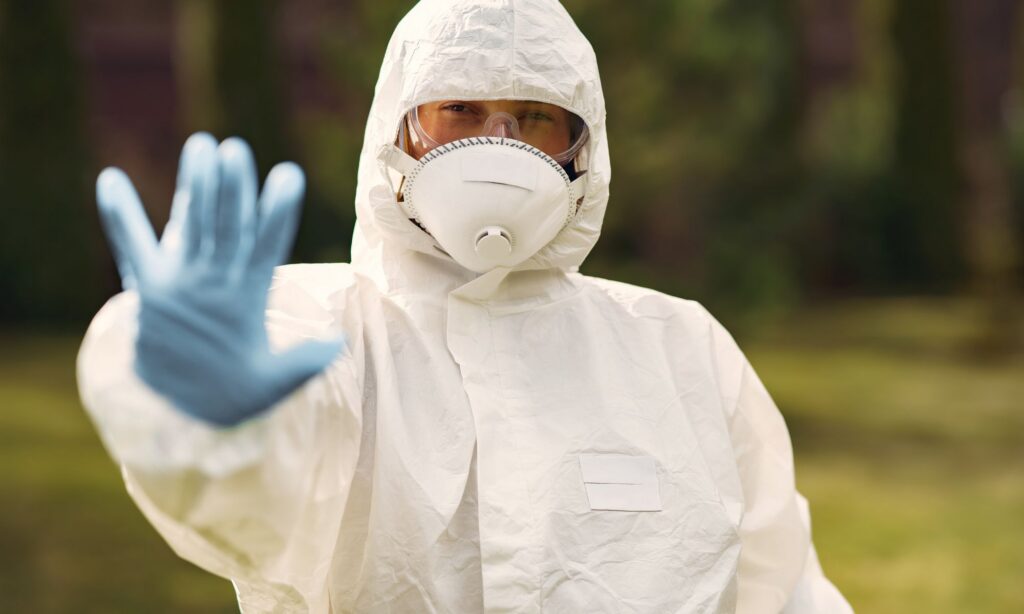
- Use full personal protective equipment (PPE), including gloves, gowns, masks and eye protection
- Practice rigorous hand hygiene before and after patient contact
- Isolate suspected cases immediately and notify public health authorities
- Follow safe burial practices as per WHO guidelines
- Monitor for symptoms for 21 days after potential exposure
Public Health Messaging in Affected Communities
DR Congo’s Health Minister Samuel Roger Kamba noted that some communities initially viewed the illness as “witchcraft” or a “mystical illness,” leading people to seek treatment from prayer centres and traditional healers rather than hospitals. Public health campaigns are now focusing on:
- Safe funeral practices to prevent transmission during burial ceremonies
- Basic hygiene and sanitation measures
- Reporting symptoms via toll-free number 151
- Avoiding contact with dead animals and consumption of raw meat
- Social distancing in affected areas
What This Means for Global Health Security
WHO Director-General Tedros Adhanom Ghebreyesus said he is “deeply concerned about the scale and speed of the epidemic.” While the PHEIC declaration does not signal the start of a pandemic, it triggers coordinated international response mechanisms and heightened surveillance.
For health professionals outside Africa, the risk of wider international spread remains low. However, clinicians should maintain a high index of suspicion for Ebola in travellers returning from affected regions who present with fever and compatible symptoms, particularly within 21 days of departure from the DRC or Uganda.
Frequently Asked Questions
What is Ebola virus disease?
Ebola is a rare but severe viral illness caused by infection with a species of the Ebolavirus genus. It causes fever, bleeding and organ failure, and has a high fatality rate. The virus is transmitted to humans from wild animals and spreads through human-to-human contact with bodily fluids.
Is there a vaccine for Bundibugyo Ebola?
No. Currently approved Ebola vaccines target the Zaire species. There is no licensed vaccine specifically for the Bundibugyo strain, which makes this outbreak particularly challenging to control.
Should I cancel travel to the DRC or Uganda?
The WHO does not currently recommend any travel or trade restrictions. However, travellers should follow guidance from local health authorities, avoid contact with symptomatic individuals, practise strict hand hygiene, and seek immediate medical attention if symptoms develop within 21 days of returning from affected areas.
How can healthcare workers protect themselves?
Strict adherence to infection prevention and control measures is essential, including proper use of PPE, hand hygiene, safe injection practices and environmental cleaning. Any suspected case should be immediately isolated and reported to public health authorities.
What is the prognosis for patients with Bundibugyo Ebola?
Early supportive care — including rehydration, treatment of symptoms and management of complications — significantly improves survival. While no specific antiviral is approved, the WHO is evaluating obeldesivir as a potential treatment under strict protocol.
Stay Informed
Health Professional Radio will continue to monitor this developing situation. For the latest updates, follow WHO’s Disease Outbreak News and Africa CDC’s situation reports. Health professionals are encouraged to subscribe to HPR for ongoing coverage of infectious disease outbreaks and public health emergencies worldwide.

Medical Disclaimer
The information provided on this website is for general informational purposes only and is not intended as medical advice. Always consult with a qualified healthcare professional for medical advice, diagnosis, or treatment. Never disregard professional medical advice or delay in seeking it because of something you have read on this website.