
Ebola Outbreak 2026: WHO Declares Global Emergency as Cases Surpass 1,000
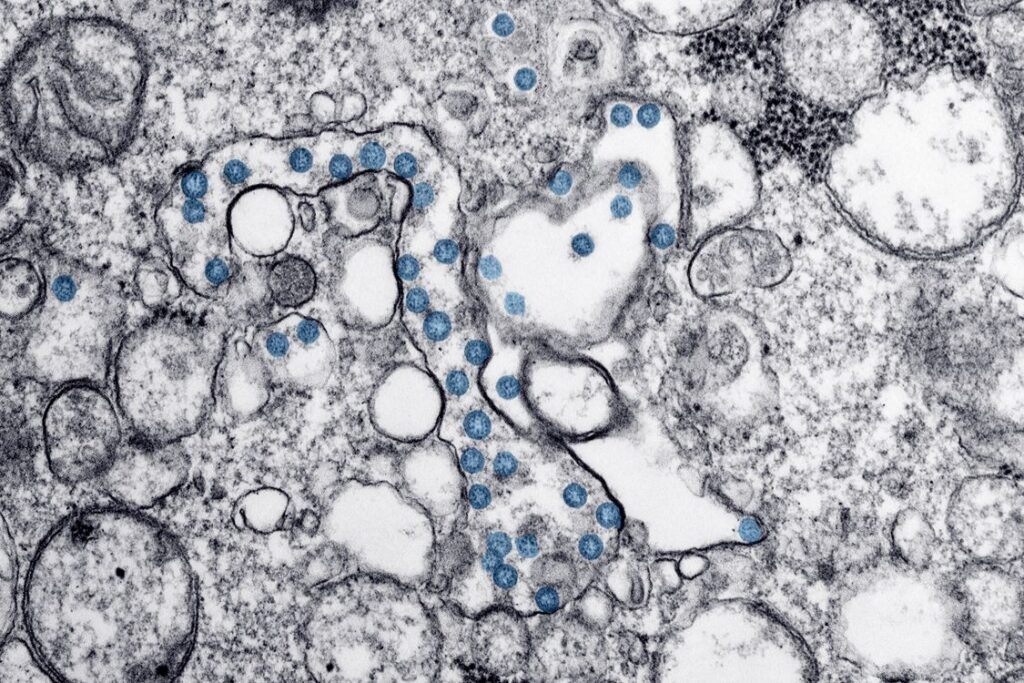
Ebola Virus Outbreak in DRC and Uganda Reaches Critical Threshold
The World Health Organization (WHO) has declared the ongoing Ebola outbreak in the Democratic Republic of the Congo (DRC) and Uganda a Public Health Emergency of International Concern (PHEIC) as confirmed cases surpass 1,000, making it the third-largest Ebola outbreak in history. The outbreak, caused by the rare Bundibugyo species of Ebola virus, has triggered an unprecedented global response involving border closures, airport screenings, and emergency funding commitments.
As of mid-June 2026, the outbreak has claimed at least 228 lives according to the most recent data from the Africa Centres for Disease Control and Prevention (Africa CDC), with children representing a disproportionate number of deaths. The situation remains dire as health workers struggle to contain the virus in one of the world’s most volatile and conflict-ridden regions.
What Is the Bundibugyo Ebola Strain?
Unlike the more well-known Zaire strain of Ebola that caused the devastating 2014-2016 West Africa epidemic, the Bundibugyo species is rarer and less understood. First identified in 2007 in Uganda, this strain has only caused four known outbreaks. There are currently no approved vaccines or therapeutics specifically targeting the Bundibugyo strain, making containment through traditional public health measures the only available strategy.
The case fatality rate for Bundibugyo virus disease (BVD) ranges from 25% to 50%, according to WHO estimates. While this is lower than the Zaire strain’s 50-90% mortality rate, the lack of medical countermeasures significantly increases the challenge faced by frontline health workers.
Outbreak Timeline and Current Status
Health officials now believe the outbreak began in mid-April 2026, weeks before it was officially reported. The first known patient died on April 24 in Ituri province, DRC. However, the outbreak was not declared until May 15 because initial laboratory tests used cartridges designed for the wrong Ebola strain, allowing the virus to spread undetected for nearly three weeks.
Current case numbers as of June 16, 2026:
- DRC: Over 1,077 suspected cases, 129 confirmed, with 246 suspected deaths
- Uganda: 8 confirmed cases, 1 death
- Children affected: At least 52 pediatric cases, with 16 among toddlers and infants
- Healthcare workers: Multiple infections among medical staff, including at least 4 deaths
- US doctor infected: An American physician, Dr. Peter Stafford, tested positive and is being evacuated to Germany for treatment
Global Response and Travel Restrictions
The United States Centers for Disease Control and Prevention (CDC) has activated a Title 42 order, banning entry for 30 days for non-US citizens who have been in the DRC, South Sudan, or Uganda within the past three weeks. A Level Four travel advisory — the highest level — has been issued for the DRC.
The CDC has also implemented enhanced health screenings at three major US airports: Dulles International (Washington DC), Hartsfield-Jackson Atlanta International, and Bush Intercontinental (Houston). Passengers arriving from affected regions are being screened for fever and questioned about their travel history.
Uganda has closed its border with the DRC, allowing only authorized crossings for outbreak response, humanitarian operations, and essential cargo. All entrants from DRC face a mandatory 21-day quarantine.
The US government has also established a 50-bed quarantine unit in Kenya for Americans exposed to Ebola, staffed by more than 30 US Public Health Service officers. This decision has drawn criticism from the Infectious Diseases Society of America (IDSA), which questioned both the timing and quality of care at a hastily established facility abroad.
Funding and International Aid
The United States has committed $80 million to partners on the ground, including UNICEF, the World Food Program, and the International Organization for Migration. An additional $50 million has been pledged for up to 50 Ebola treatment clinics in affected areas. The European Union has also delivered aid supplies to Bunia, the capital of Ituri province.
However, Africa CDC Director-General Jean Kaseya has voiced concern about shrinking international funding, with initial pledges of $500 million dropping to $290 million. “We cannot afford to stop this outbreak without resources,” Kaseya warned in a press briefing.
The Challenge of Containment in a Conflict Zone
The outbreak is centered in Ituri, North Kivu, and South Kivu provinces — regions plagued by ongoing armed conflict between government forces and militia groups. At least four Ebola treatment centers have been attacked in recent weeks. WHO Director-General Tedros Adhanom Ghebreyesus described the situation as “really worrying,” noting that many local communities see Ebola as a lesser priority compared to armed conflict, widespread hunger, and more common deadly diseases.
Doctors Without Borders (MSF) has highlighted that testing remains one of the most significant weaknesses in the response, with many communities lacking access to mobile test kits and treatment centers facing significant delays in receiving laboratory results.
Frequently Asked Questions About the 2026 Ebola Outbreak
Is Ebola a risk to the general public outside Africa?
According to the CDC, the risk to the general public in the United States and other countries outside the affected region remains low. Ebola is transmitted through direct contact with bodily fluids of infected individuals, not through airborne transmission. Enhanced screening at airports aims to identify symptomatic travelers before they enter the general population.
How is the Bundibugyo strain different from other Ebola viruses?
The Bundibugyo strain (BDBV) is one of six known species of the Ebolavirus genus. It was first discovered in 2007 during an outbreak in Uganda. Unlike the Zaire strain, there are no approved vaccines or antiviral treatments specifically for Bundibugyo. The strain has a lower but still significant case-fatality rate of 25-50%.
What symptoms should travelers watch for?
Symptoms of Ebola virus disease include fever, severe headache, muscle pain, weakness, fatigue, diarrhea, vomiting, abdominal pain, and unexplained hemorrhage or bruising. Symptoms typically appear 2 to 21 days after exposure. Anyone traveling from affected regions should monitor for symptoms for 21 days after departure.
What is a PHEIC declaration?
A Public Health Emergency of International Concern (PHEIC) is the WHO’s highest level of alarm, declared only for extraordinary events that pose a public health risk to other countries through international spread and that potentially require a coordinated international response. This is the eighth PHEIC declared since the framework was established in 2005.
How can I protect myself and my family?
The best protection is avoiding travel to affected areas. If you must travel, avoid contact with sick individuals, practice rigorous hand hygiene, avoid handling items that may have come into contact with an infected person, and seek immediate medical attention if symptoms develop within 21 days of potential exposure.
This is a rapidly evolving situation. Health Professional Radio will continue to provide updates as more information becomes available. For the latest guidance, consult WHO and CDC official channels.

Medical Disclaimer
The information provided on this website is for general informational purposes only and is not intended as medical advice. Always consult with a qualified healthcare professional for medical advice, diagnosis, or treatment. Never disregard professional medical advice or delay in seeking it because of something you have read on this website.