Cyclospora Outbreak 2026: Iceberg Lettuce Linked to Nearly 2,000 Illnesses Across 9 US States
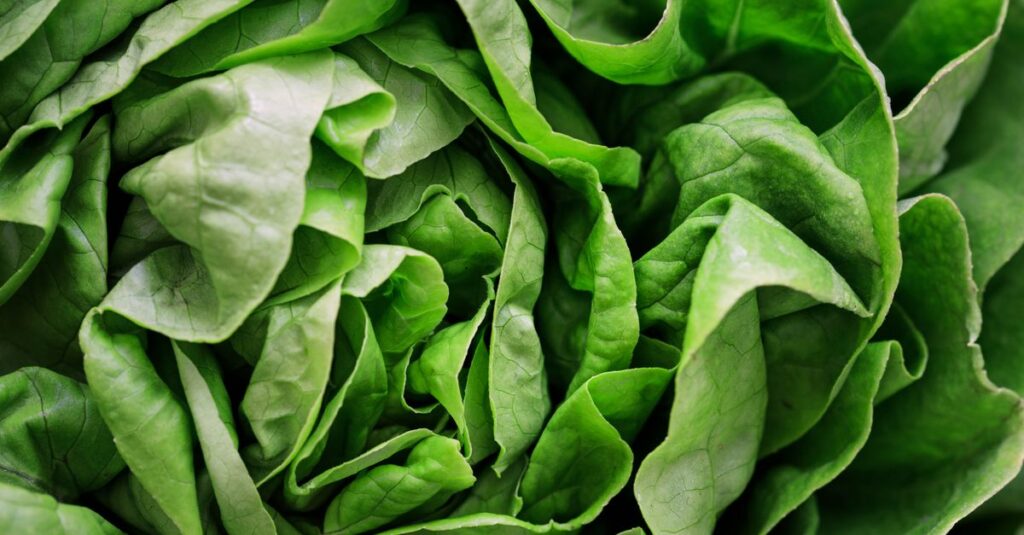
CDC and FDA Investigate Multistate Cyclospora Outbreak Linked to Recalled Iceberg Lettuce
The United States Centers for Disease Control and Prevention (CDC) and the Food and Drug Administration (FDA) are investigating a rapidly expanding multistate outbreak of Cyclospora infections that has now sickened nearly 2,000 people across nine states. The outbreak, first identified in early July 2026, has been linked to iceberg lettuce sourced from central Mexico and distributed by Taylor Farms de Mexico.
As of July 24, 2026, a total of 1,947 laboratory-confirmed cases of cyclosporiasis have been reported, with at least 98 hospitalizations. No deaths have been recorded to date. The four newest states added to the outbreak investigation are Illinois, Kansas, Oklahoma, and Pennsylvania, joining Indiana, Kentucky, Michigan, Ohio, and West Virginia.
Health officials warn that the actual number of cases is likely significantly higher, as many individuals with Cyclospora infections may not seek medical care or be specifically tested for the parasite.
What Is Cyclospora and Cyclosporiasis?
Cyclospora cayetanensis is a microscopic parasite that causes intestinal illness known as cyclosporiasis. People become infected by consuming food or water contaminated with the parasite. Unlike bacteria such as Salmonella or E. coli, Cyclospora does not spread directly from person to person, making food the primary transmission route.
The parasite is endemic in tropical and subtropical regions, but outbreaks in the United States and other developed nations have been increasingly linked to imported fresh produce, particularly leafy greens, herbs, and berries.
Recalled Products and Where They Were Sold
On July 17, 2026, Taylor Farms de Mexico issued a voluntary recall of all iceberg lettuce sourced from central Mexico. The recall includes:
- Marketside brand products sold at Walmart: Iceberg Salad (12-oz and 24-oz) and Shredded Lettuce (8-oz and 16-oz) with Best if Used By dates ranging from July 18 to August 3, 2026
- Food service products distributed to restaurants and institutional buyers across the United States
The recalled lettuce was distributed to at least 27 states, including Alabama, Arkansas, Connecticut, Florida, Georgia, Iowa, Illinois, Indiana, Kansas, Kentucky, Louisiana, Massachusetts, Maryland, Michigan, Missouri, Mississippi, North Carolina, New Hampshire, New Jersey, Ohio, Oklahoma, Pennsylvania, South Carolina, Tennessee, Texas, Virginia, and Wisconsin.
Taco Bell, a major restaurant chain linked to many cases in the outbreak, announced it has stopped using lettuce from Taylor Farms de Mexico as of July 17, 2026.
Recognizing the Symptoms of Cyclosporiasis
Symptoms of Cyclospora infection typically appear about one week after consuming contaminated food, though the incubation period can range from two days to two weeks or more.
Common symptoms include:
- Watery diarrhea (most frequent symptom)
- Loss of appetite
- Weight loss
- Stomach cramps and pain
- Bloating and increased gas
- Nausea
- Fatigue
- Low-grade fever (in some cases)
Without treatment, symptoms can persist for several days to a month or longer. Some patients experience a relapsing pattern where symptoms appear to resolve and then return weeks later.
What to Do If You Have Recalled Lettuce
Consumers who purchased recalled iceberg lettuce products should take the following steps immediately:
- Do not eat any recalled lettuce. Throw it away or return it to the place of purchase for a full refund.
- Clean and sanitize all surfaces, containers, and utensils that may have come into contact with the recalled lettuce using hot, soapy water or a dishwasher.
- Wash hands thoroughly with soap and warm water for at least 20 seconds after handling raw produce or cleaning contaminated surfaces.
- Contact your healthcare provider if you develop symptoms of cyclosporiasis, especially if you ate shredded iceberg lettuce in the two weeks before becoming ill.
It is important to note that routine stool tests may not screen for Cyclospora. Patients should specifically request testing for this parasite if symptoms align.
Treatment for Cyclosporiasis
Cyclosporiasis is treatable with a specific antibiotic combination: trimethoprim-sulfamethoxazole (also known as co-trimoxazole or Bactrim). This is the recommended first-line treatment and is typically prescribed for seven to ten days.
For individuals with sulfa allergies, alternative treatments may be considered under medical supervision. Staying well-hydrated is critical, as the watery diarrhea associated with Cyclospora infection can lead to significant fluid loss.
Immunocompromised individuals, including those with HIV/AIDS, organ transplant recipients, or those undergoing chemotherapy, may experience more severe and prolonged illness requiring close medical monitoring.
Prevention Tips: How to Reduce Your Risk
- Wash all fresh produce thoroughly under running water before eating, cutting, or cooking — even pre-washed bagged salads
- Cook produce to an internal temperature of at least 158°F (70°C) to kill the parasite. Washing alone may not remove all Cyclospora organisms
- Stay informed about food recalls and outbreak alerts from the FDA and CDC
- Practice good hand hygiene before handling food and after using the bathroom
- Avoid consuming raw or lightly cooked produce from regions or suppliers known to be associated with Cyclospora contamination
Frequently Asked Questions About Cyclospora
Can Cyclospora be spread from person to person?
No. Cyclospora requires time outside the body to become infectious (a process called sporulation). Direct person-to-person transmission does not occur.
How long does Cyclospora illness last?
Without treatment, symptoms can last from a few days to a month or longer. With appropriate antibiotic treatment, most people recover within one week.
Is there a risk of long-term complications?
Most otherwise healthy individuals recover fully. However, severe dehydration, electrolyte imbalances, and weight loss can occur. Immunocompromised patients face a higher risk of prolonged or severe illness.
Can washing lettuce remove Cyclospora?
Thorough washing reduces the parasite load but does not guarantee complete removal. Cooking to at least 158°F (70°C) is the only way to reliably kill Cyclospora.
Should I be concerned if I live outside the United States?
Cyclospora outbreaks have been reported globally, often linked to imported fresh produce. Countries including Canada, Australia, and European nations have documented Cyclospora outbreaks associated with imported leafy greens and herbs. Always wash fresh produce thoroughly regardless of where you live.
Global Context and Ongoing Investigations
This outbreak is the largest Cyclospora outbreak in the United States in recent years. Health officials continue to investigate whether additional products or supply chains may be involved. The FDA has noted that a false positive lab sample collected at the border does not change the basis for the investigation, and traceback data continue to converge on Taylor Farms de Mexico iceberg lettuce.
The CDC and state health departments are actively conducting interviews with affected individuals to identify additional exposure sources and prevent further spread.
Anyone who has consumed recalled iceberg lettuce products and developed diarrheal illness should contact their healthcare provider and report symptoms to their local health department.

Medical Disclaimer
The information provided on this website is for general informational purposes only and is not intended as medical advice. Always consult with a qualified healthcare professional for medical advice, diagnosis, or treatment. Never disregard professional medical advice or delay in seeking it because of something you have read on this website.