
US Loses Measles Elimination Status After 26 Years
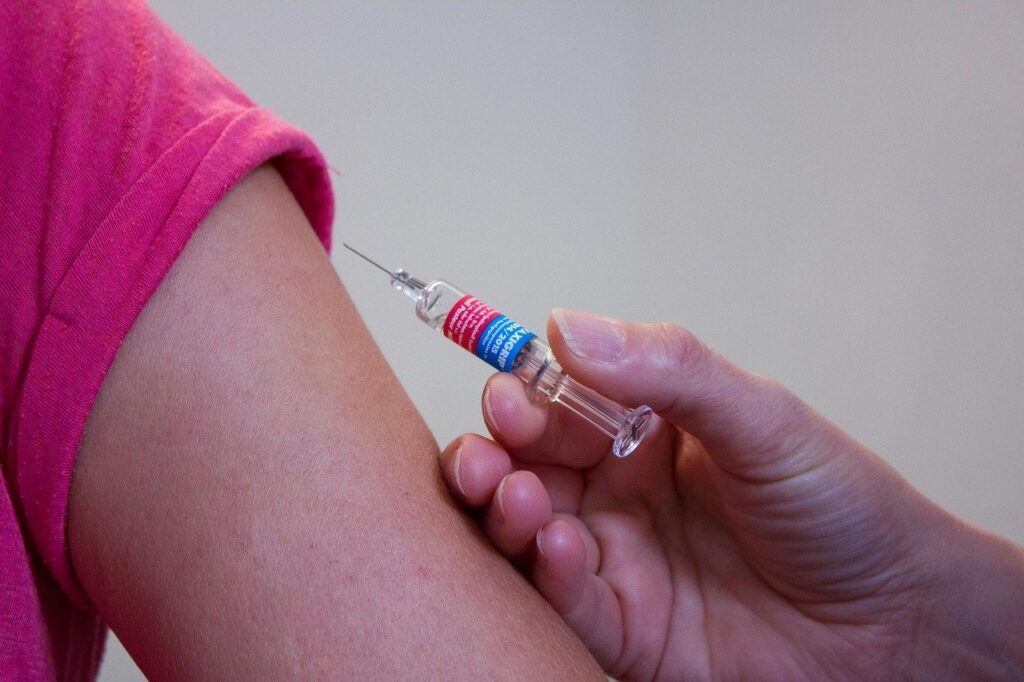
Measles Makes a Comeback in the United States
For the first time in more than 25 years, measles is no longer considered eliminated in the United States. In November 2026, the Pan American Health Organization (PAHO) declared that the highly contagious virus is now endemic in the country again, marking a significant setback for public health. The announcement came after health officials recorded more than 6,000 confirmed measles cases across 47 states in 2026 alone, with at least nine deaths attributed to the disease.
Measles was declared eliminated in the United States in the year 2000, meaning the virus was no longer constantly circulating within the country. That status was the result of widespread vaccination efforts that had brought the disease under control for two decades. Now, declining vaccination rates, fueled by misinformation and growing vaccine hesitancy, have allowed the virus to return with force.
How Measles Spread and Why It Is Dangerous
Measles is one of the most contagious diseases known to medicine. The virus spreads through the air when an infected person coughs, sneezes, or simply breathes. In fact, the measles virus can linger in the air for up to two hours after an infected person has left a room. If one person has measles, up to 90 percent of people close to them who are not immune will also become infected.
The early symptoms include high fever, cough, runny nose, and a distinctive red rash that spreads across the body. While many people recover without lasting harm, measles can cause serious complications. Roughly one in five people who get measles will be hospitalised. Complications include pneumonia, severe dehydration, and brain swelling known as encephalitis. Children under five years old and adults over 20 are at the highest risk of severe illness.
Since the current outbreak began in West Texas in 2025, more than 7,000 cases have been reported across two years. Health officials have confirmed at least 500 hospitalisations, and dozens of infants have been born with congenital measles after their mothers were infected during pregnancy. Those babies face a risk of developing dangerous brain swelling later in life that is almost always fatal.
Why Measles Has Returned
The resurgence of measles in the United States has been driven primarily by falling vaccination rates. The measles, mumps, and rubella (MMR) vaccine is the most effective way to prevent the disease. For a community to be protected, at least 95 percent of people need to be vaccinated. This is called herd immunity, and it protects even those who cannot be vaccinated for medical reasons, such as infants or people with weakened immune systems.
Before the COVID-19 pandemic, the national MMR vaccination rate among kindergarteners was 95.2 percent. By the 2025 school year, that figure had dropped to 92.4 percent, and some states are reporting rates well below 90 percent. A study published earlier this year found that vaccination coverage declined in 78 percent of the more than 2,000 counties studied across 33 states. The pandemic disrupted routine childhood vaccinations, and many children never caught up.
Misinformation about vaccines has also played a major role. A debunked claim linking the MMR vaccine to autism continues to circulate online, and public trust in healthcare institutions has declined since the pandemic. Surveys show that the percentage of U.S. adults who view the MMR vaccine as safe dropped from 86 percent in 2024 to 83 percent in 2025. The growing partisan divide around vaccine safety has further complicated efforts to increase immunisation rates.
What Happens Now and How the US Can Fix This
Losing elimination status does not mean the situation is hopeless. Several countries have lost and then regained measles elimination status. Venezuela lost its status in 2017 but regained it through extensive vaccination campaigns. Brazil did the same after losing elimination in 2019.
Experts say the path back to elimination is clear but will require coordinated effort. CDC Director Dr Erica Schwartz has committed 100 million dollars in additional funding to support state and local health departments. These funds are being used to identify communities with low vaccination rates, strengthen disease surveillance, and support rapid outbreak response teams.
Several states that experienced early outbreaks have managed to bring them under control. Texas, South Carolina, Virginia, Kansas, New Mexico, and Wisconsin requested and received CDC outbreak assistance and have since seen their case numbers decline. Pennsylvania and New York are now receiving similar support.
Researchers have found that targeting individual schools with low vaccination rates is more effective than looking at county-level data alone. A school-by-school approach can reveal high-risk pockets that would otherwise stay hidden. Computer simulations suggest that identifying these specific schools and focusing vaccination efforts there could prevent the virus from spreading further.
The CDC continues to recommend the MMR vaccine as the safest and most effective way to prevent measles. Children typically receive their first dose at 12 months and a second dose before starting school. In areas with active outbreaks, doctors can give an early dose at six months. Adults who received only one dose as children should consider a booster.
Frequently Asked Questions
What does losing elimination status actually mean?
It means measles is now considered endemic, or constantly present, in the United States. Before this year, the virus was not continuously circulating here. Cases that occurred were almost always linked to someone who had travelled from a country where measles is still common. Now the virus is spreading within U.S. communities without needing to be reintroduced from abroad.
Is the MMR vaccine still effective?
Yes. Two doses of the MMR vaccine are about 97 percent effective at preventing measles. One dose is about 93 percent effective. The vaccine has been in use for decades and has been given to hundreds of millions of people worldwide. The vast majority of people who have gotten sick during the current outbreak were not vaccinated.
Who is most at risk from measles?
Children under five years old, adults over 20, pregnant women, and people with weakened immune systems are the most vulnerable. Infants who are too young to be vaccinated rely on herd immunity for protection. When vaccination rates fall below 95 percent, those vulnerable groups lose that protection.
Can measles be fatal?
Yes, though it is rare in countries with good medical care. In 2026, the United States has recorded at least nine measles-related deaths, and states have reported as many as 14 deaths. The last time the U.S. saw this many measles deaths in a single year was in 1992.
What can I do to protect myself and my family?
Make sure you and your children are up to date on the MMR vaccine. Check with your doctor or local health department if you are unsure of your vaccination status. If you live in an area where measles is spreading, consider having children vaccinated earlier than the standard schedule. Good hygiene and avoiding contact with sick people also help reduce risk, but vaccination remains the most effective protection.
Sources: U.S. Centers for Disease Control and Prevention (CDC), Pan American Health Organization (PAHO), Science News, KFF, Reuters

Medical Disclaimer
The information provided on this website is for general informational purposes only and is not intended as medical advice. Always consult with a qualified healthcare professional for medical advice, diagnosis, or treatment. Never disregard professional medical advice or delay in seeking it because of something you have read on this website.