
Largest Cyclospora Outbreak in US History: What You Need to Know
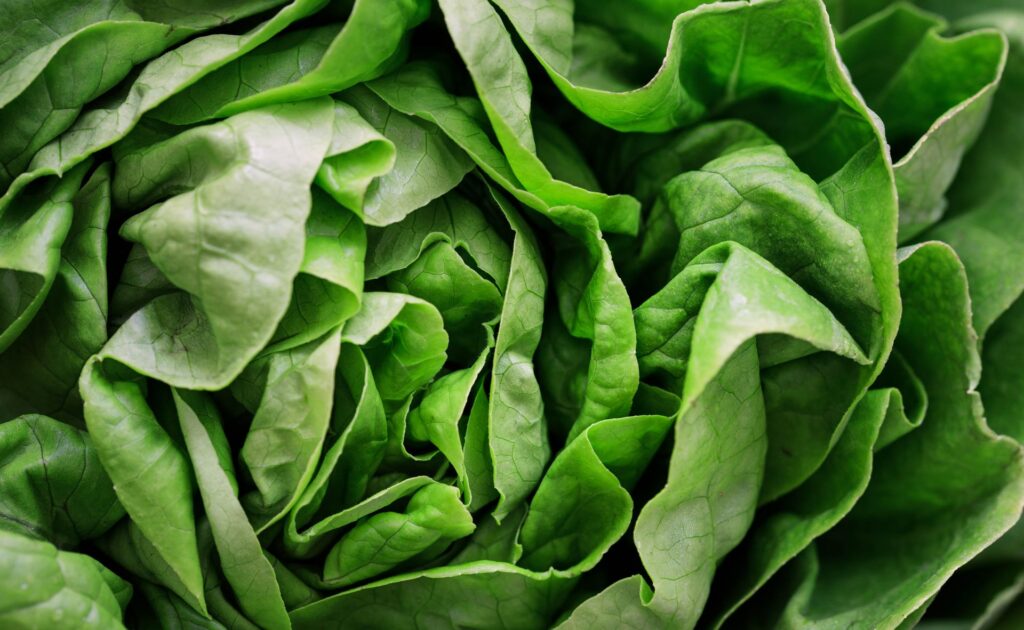
Cyclospora Infections Surge Across America — CDC Reports Thousands of Cases Linked to Contaminated Lettuce
The United States is currently experiencing the largest recorded outbreak of cyclosporiasis in its history, with over 4,100 confirmed cases and thousands more under investigation across 41 states. The outbreak, which began in May 2026, has been linked to contaminated iceberg lettuce sourced from central Mexico and distributed by Taylor Farms.
According to the Centers for Disease Control and Prevention (CDC), as of July 20, 2026, there have been 4,173 laboratory-confirmed domestic cases of cyclosporiasis, with an additional 7,400 cases still under investigation. This represents a staggering increase compared to just 249 cases reported during the same period in 2025.
What Is Cyclosporiasis?
Cyclosporiasis is an intestinal illness caused by the microscopic parasite Cyclospora cayetanensis. When someone ingests food or water contaminated with this parasite, they typically develop symptoms about one week later — though onset can range from two days to two or more weeks after exposure.
The disease is not spread directly from person to person, which means it cannot be caught through casual contact with an infected individual. Instead, infection occurs exclusively through consuming contaminated food or water.
Symptoms to Watch For
The most common symptoms of cyclosporiasis include:
- Watery diarrhea — often frequent and explosive, sometimes requiring bathroom visits 15–20 times per day
- Loss of appetite and significant weight loss
- Abdominal cramping and bloating
- Increased gas and nausea
- Fatigue that can be debilitating
- Low-grade fever (less common)
- Vomiting (less common)
Without treatment, symptoms can follow a remitting-relapsing pattern and last anywhere from a few days to more than a month. In severe cases, complications can include malabsorption, inflammation of the gallbladder, and reactive arthritis.
The Scope of the Outbreak
Michigan has been hit the hardest, reporting over 7,000 cases — both confirmed and suspected. Monroe County, Michigan, a rural community of roughly 154,000 people, has documented 286 cases, making it one of the highest per-capita impact areas in the nation.
According to the CDC, affected individuals range in age from 2 to 95 years, with a median age of 44. Women account for 56% of confirmed cases. Of those with available data, 9% have required hospitalization. No deaths have been reported to date.
The outbreak has prompted the CDC to issue a Health Alert Network notice, urging clinicians across the country to test for cyclosporiasis in patients presenting with prolonged watery diarrhea.
Recalled Products and Investigation
On July 17, 2026, Taylor Farms de Mexico issued a voluntary recall of all iceberg lettuce sourced from central Mexico. The recall includes:
- Marketside-brand iceberg lettuce sold at Walmart
- Multiple package types and lots
- Products distributed to restaurants, retailers, and consumers across at least 27 states
The investigation initially appeared to reach a breakthrough when the FDA announced that an iceberg lettuce sample from Taylor Farms had tested positive for Cyclospora. However, the agency retracted that finding less than 24 hours later, calling it a false positive.
Dr. Francisco Diez-Gonzalez, director of the Center for Food Safety at the University of Georgia, told the BBC that finding Cyclospora in food samples is literally like looking for a needle in a haystack, explaining that the parasite is notoriously difficult to detect in laboratory settings.
Why Testing Is Challenging
One of the major challenges in controlling this outbreak is the difficulty of laboratory detection. Standard ova and parasite (O&P) stool examinations often miss Cyclospora. The CDC recommends that clinicians specifically request Cyclospora testing — preferably using molecular (PCR-based) diagnostic methods — when the infection is clinically suspected.
Adding to the complexity, symptoms can take up to two weeks to appear, making it extremely difficult for health investigators to trace back what patients ate and identify a common source.
How to Protect Yourself
Health officials recommend the following precautions:
- Do not eat any recalled lettuce. Throw it away or return it to the store.
- Wash produce thoroughly under running water before eating, cutting, or cooking — though washing alone cannot guarantee the removal of Cyclospora.
- Cook produce to an internal temperature of at least 158°F (70°C) to kill the parasite.
- Wash hands, cutting boards, and kitchen surfaces with hot soapy water after handling raw produce.
- Stay hydrated if you develop diarrhea, and seek medical attention if symptoms persist.
Treatment Options
Cyclosporiasis is treatable. The standard course of treatment is a 7- to 10-day regimen of trimethoprim-sulfamethoxazole (TMP-SMX) for immunocompetent adults and children over two months of age. Patients with compromised immune systems may require longer courses. Healthcare providers should consult current CDC clinical guidance for appropriate dosing.
Frequently Asked Questions
Can I get cyclosporiasis from another person?
No. Cyclospora is not spread directly from person to person. The parasite needs time outside the body to become infectious, so casual contact with an infected person does not pose a risk.
How long does it take to recover?
Without treatment, symptoms can last from a few days to over a month. With appropriate antibiotic treatment, most people recover within a week, though some may experience lingering fatigue or digestive issues.
Is cyclosporiasis life-threatening?
It is rarely life-threatening, but it can cause severe illness requiring hospitalization. About 9% of reported cases have required hospitalization. No deaths have been reported in the current outbreak.
Should I stop eating all lettuce?
Current recalls specifically target iceberg lettuce sourced from central Mexico and sold under various brands including Marketside at Walmart. Check your refrigerator for recall notices and follow FDA guidance. Other types of lettuce not implicated in the recall are generally considered safe, though all produce should be thoroughly washed.
Can I wash Cyclospora off lettuce?
Washing reduces but does not eliminate the risk of Cyclospora. The parasite can be difficult to remove from the surface of leafy greens. Cooking produce to 158°F (70°C) is the only sure way to kill the parasite.
What Health Officials Are Doing
The CDC, FDA, and state health departments continue to investigate multiple clusters of Cyclospora infections. The CDC is publishing weekly surveillance data updates — an unusual measure reflecting the severity of this year’s outbreak. Health officials are working to identify additional sources, trace contaminated products through the supply chain, and prevent further illnesses.
For the latest updates, consumers can visit the CDC’s cyclosporiasis outbreak page or the FDA’s recall notices. Anyone experiencing symptoms consistent with cyclosporiasis should contact their healthcare provider and specifically request testing for Cyclospora.

Medical Disclaimer
The information provided on this website is for general informational purposes only and is not intended as medical advice. Always consult with a qualified healthcare professional for medical advice, diagnosis, or treatment. Never disregard professional medical advice or delay in seeking it because of something you have read on this website.